

The demand for organic jojoba oil is exploding in 2026, as more people choose natural care. This ultimate guide offers you practical insights to responsibly enjoy the unique benefits of organic jojoba oil. Discover what makes this oil special, how to use it optimally, what to look for when buying, and which trends and sustainable developments are emerging. Curious about tips for skin, hair, and body? Keep reading and be inspired by the power of pure nature.
What is Organic Jojoba Oil?
Organic jojoba oil is one of the most beloved natural care products today. But what makes this oil so special and how does it differ from regular versions? In this section, you will discover everything about the origin, composition, and unique quality of organic jojoba oil.
Definition and Origin
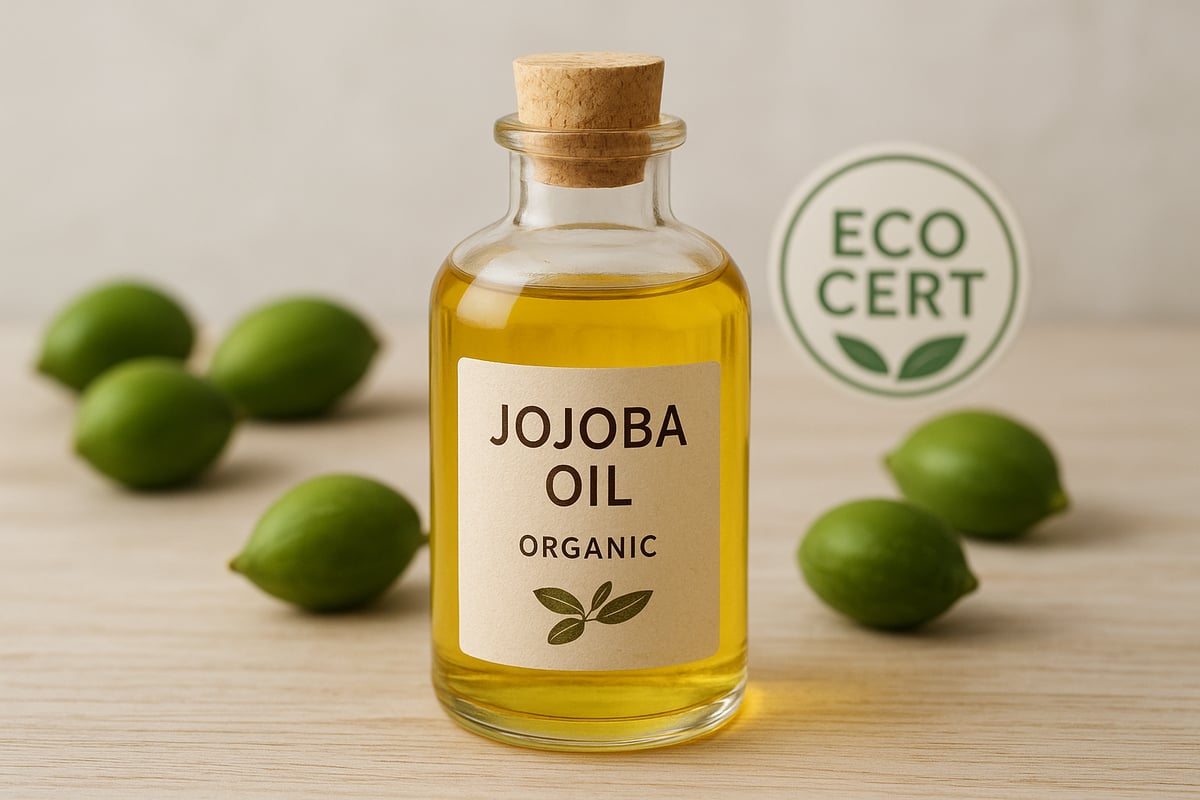
Organic jojoba oil is extracted from the seeds of the Simmondsia chinensis, a shrub native to dry desert areas in North America. The organic cultivation of this plant is done entirely without synthetic pesticides or fertilizers, respecting soil and biodiversity.
What makes organic jojoba oil unique is its chemical composition. Unlike many other vegetable oils, it is actually a liquid wax. This makes its structure very similar to human skin sebum, allowing the oil to be absorbed optimally without leaving a greasy layer.
The global demand for organic vegetable oils, including organic jojoba oil, increases by about 15% annually. This is partly because more consumers value natural and sustainable care.
An important difference between organic and conventional jojoba oil is the processing method. Organic oil is usually cold-pressed and unrefined, preserving all active ingredients. This means that organic jojoba oil generally contains more vitamin E than non-organic versions. Want to learn more about the importance of cold-pressed and unrefined oil? Read the article on the difference between cold-pressed vs. refined oil.
Quality Characteristics of Organic Jojoba Oil
You can recognize high-quality organic jojoba oil by the label: the INCI name is Simmondsia Chinensis Seed Oil, with no additives. The oil is clear golden yellow in color, has a subtle, nutty scent, and feels soft on the skin.
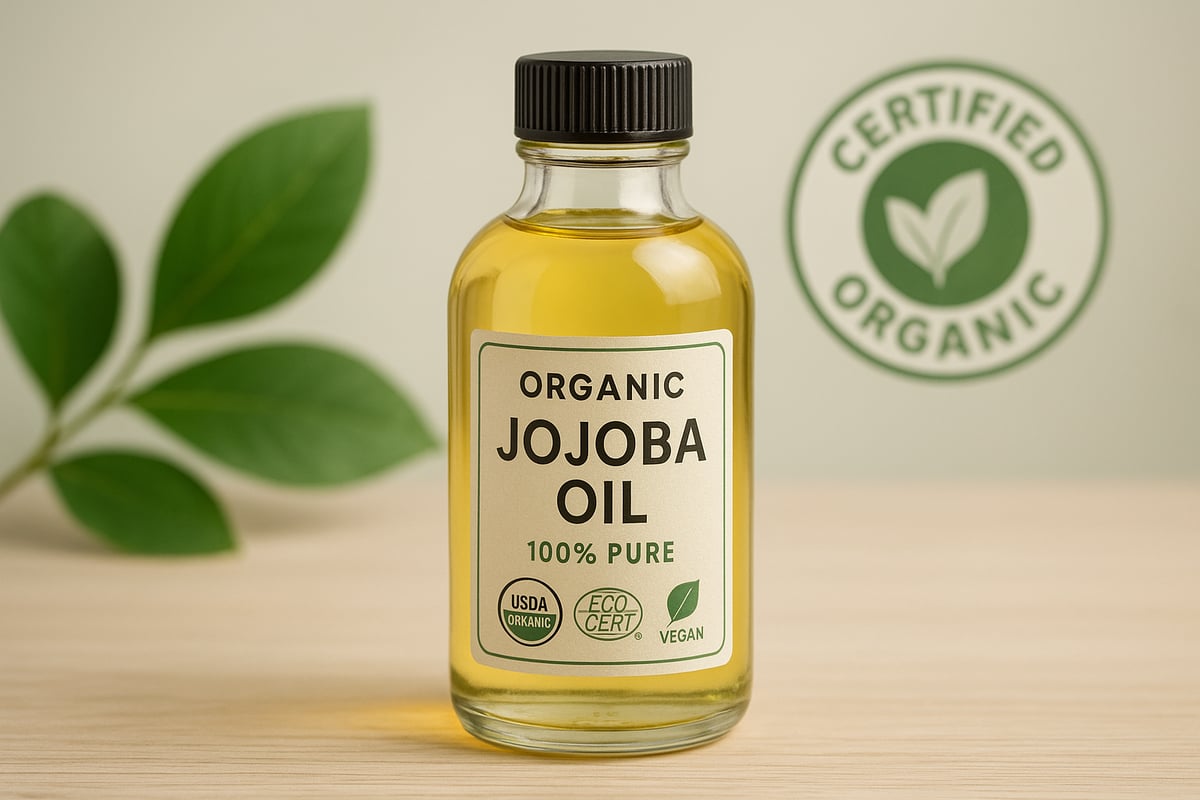
Quality is central to organic jojoba oil. Reliable oil is always GMO-free, vegan, and cruelty-free. When purchasing, look for certifications such as Ecocert, USDA Organic, or similar labels. This guarantees that the oil is truly organic and pure.
Below you will find a clear comparison:
| Feature | Organic Jojoba Oil | Conventional Jojoba Oil |
|---|---|---|
| Cultivation | Organic | Regular |
| Pesticides | None | Possibly present |
| Certification | Ecocert, USDA Organic | Often none |
| Editing | Cold-pressed, unrefined | Often refined |
| Synthetic additives | None | Sometimes present |
A bottle of organic jojoba oil from a certified source is guaranteed free of synthetic fragrances or colorants. By choosing organic jojoba oil, you invest not only in your own skin but also in a more sustainable planet.
Benefits of Jojoba Oil for Skin, Hair, and Body
More and more people are choosing organic jojoba oil as the foundation of their daily care in 2026. This natural oil is known for its versatility and gentleness, making it suitable for skin, hair, and body. But what makes organic jojoba oil so special? Discover the unique benefits by application below.
Skin Care: Hydration and Protection
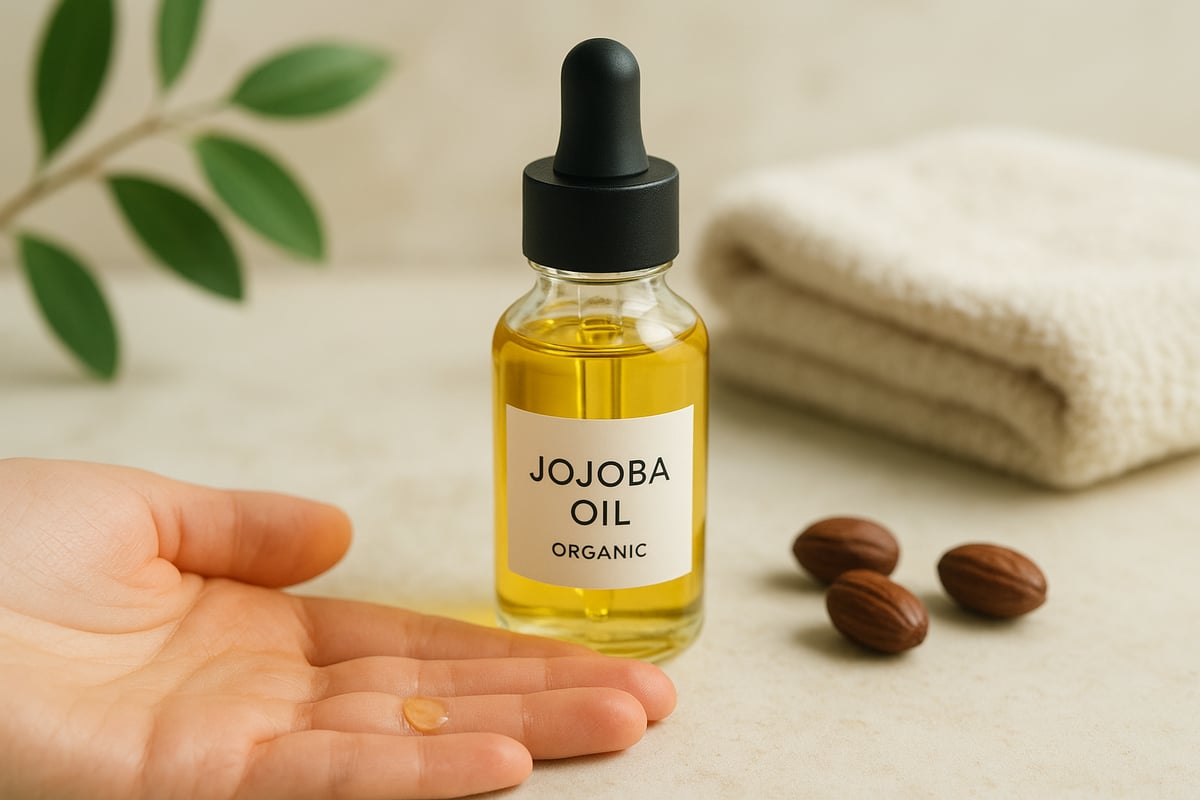
Organic jojoba oil has a unique composition very similar to the skin’s natural sebum. This allows the oil to be absorbed quickly and deeply without leaving a greasy layer. This makes it ideal for daily hydration of all skin types, including sensitive or allergic skin.
An important benefit of organic jojoba oil is its moisture-regulating ability. The oil helps prevent dehydration by locking moisture into the skin. Additionally, it supports the skin barrier, reducing the impact of harmful external factors.
For skin issues like acne, organic jojoba oil proves its worth: it calms inflammation, reduces redness, and can even help fade scars. Thanks to its high vitamin E content, the oil offers extra protection against free radicals and contributes to skin rejuvenation.
- Moisture-regulating without a greasy feel
- Suitable for sensitive skin
- Supports recovery from acne
Customer reviews show that 80% of users experience softer skin after two weeks. For more information about the benefits of jojoba oil for the skin, you can read detailed advice from skin experts.
Hair Care: Nourishment and Repair
Jojoba oil also offers countless benefits for hair. The oil nourishes and strengthens hair from root to tip, reducing the chance of breakage and split ends. Its moisturizing effect soothes a dry, itchy scalp and decreases the likelihood of dandruff.
Organic jojoba oil can be used in various ways: as a hair mask, added to shampoo, or as a leave-in serum on dry ends. The oil promotes natural shine and softness without weighing the hair down.
Users report that regular use of organic jojoba oil results in fewer split ends and healthier hair structure. Especially people with dry or damaged hair notice a quick difference.
- Nourishes hair and scalp intensively
- Reduces dandruff and itching
- Enhances shine and elasticity
Thanks to its mild composition, the oil is suitable for daily use, even on colored or treated hair.
Body Care and Other Uses
Organic jojoba oil is not only suitable for skin and hair but also for various body care applications. Due to its light texture, the oil absorbs quickly, making it ideal as a massage oil. It leaves no greasy film but ensures silky smooth skin.
For dry or chapped lips, organic jojoba oil works soothingly and protectively. Cuticles and nails also benefit from its nourishing properties; daily massage helps prevent brittle nails.
In addition, organic jojoba oil is a safe and effective makeup remover. Even waterproof makeup is easily removed without drying out the skin. For baby care and after sun exposure, the oil provides natural protection (SPF 4).
- Massage oil without greasy residue
- Soothes lips and cuticles
- Safe makeup remover
- Suitable for babies and after sun exposure
Less than 1% of users report an allergic reaction, highlighting the safety of organic jojoba oil.
Uses: How to Use Organic Jojoba Oil?
Organic jojoba oil is incredibly versatile and fits effortlessly into any natural care routine. Whether you want to care for your skin, hair, or body, this pure oil offers countless possibilities. Discover below how to make the most of organic jojoba oil for daily use, DIY projects, and more.
Daily Skincare
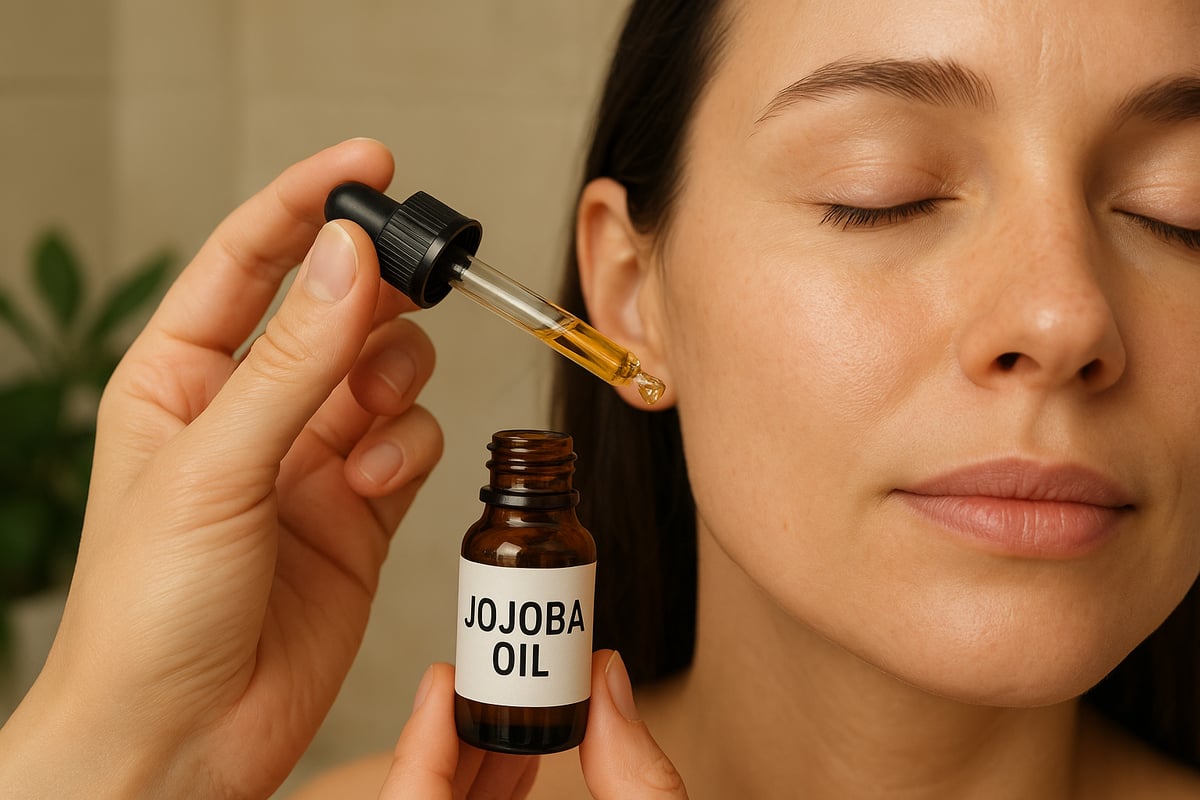
Organic jojoba oil is perfect as a base for your daily skincare. Thanks to its unique composition, it closely resembles our own skin sebum, allowing it to penetrate deeply without leaving a greasy layer. Apply a few drops to slightly damp skin, as a day and night cream or mixed with aloe vera gel for extra hydration.
Do you suffer from acne or impure skin? Organic jojoba oil regulates sebum and soothes irritated areas. Apply it locally on pimples or problem zones. It also helps restore balance for sensitive skin or large pores without clogging the skin.
- Use immediately after cleansing for optimal absorption.
- Combine with other natural serums for a personalized care ritual.
- Regular use ensures soft, supple skin.
Want to learn more about skin and hair care with organic jojoba oil? Then read the detailed article about organic jojoba oil for skin and hair.
Hair and Scalp Treatments
Organic jojoba oil is also an excellent choice for hair care. It nourishes hair down to the tips and prevents split ends. Use it as a hair mask by massaging a generous amount into the hair and scalp. Leave it on for at least an hour, or even overnight, then wash out thoroughly.
For daily use, add a few drops of organic jojoba oil to your shampoo or conditioner. This strengthens hair and makes it less prone to breakage. Struggling with frizzy hair or dry ends? Apply a small amount of oil to the tips as a natural anti-frizz serum.
- Ideal for a dry, itchy scalp.
- Reduces dandruff and restores natural shine.
- Suitable for all hair types, including colored or damaged hair.
Regular use of organic jojoba oil results in visibly healthier and stronger hair.
Body Care, Massage, and DIY Cosmetics
Organic jojoba oil is excellent for body care and creative DIY cosmetics. Use it as a massage oil: it absorbs quickly, leaving the skin soft without feeling sticky. Add essential oils for a relaxing effect.
Want to make your own scrub or balm? Mix organic jojoba oil with fine sugar or salt for a gentle body scrub. For a natural lip balm, combine it with beeswax and a drop of essential oil. Cuticles and nails also benefit from a daily massage with this oil.
- Base for lotions, balms, and face masks.
- Soothes dry lips and cares for rough patches.
- Suitable for baby care and after sun exposure due to its mild effect.
With organic jojoba oil, you can easily make your own care products, fully tailored to your needs.
Safety and Allergies
Although organic jojoba oil is known to be safe and gentle, it’s advisable to always start with a patch test. Apply a small amount to the inside of your arm and wait 24 hours to see if any reaction occurs. Use organic jojoba oil externally only.
Note that scent and color may vary by batch, as it is a natural product. According to product information, less than 1% of users experience an allergic reaction. If you suspect an allergy, stop using it immediately. Store the oil in a cool, dark place to maintain its quality.
Organic jojoba oil is a safe, sustainable choice for anyone who values natural care.
What to Look for When Buying Organic Jojoba Oil?
Choosing the right organic jojoba oil requires attention to detail. The market is growing quickly, but not every oil offers the same quality. If you want to be sure of a safe and effective oil, it's wise to select carefully.
It starts with the label. Always check that only “Simmondsia Chinensis Seed Oil” is listed. Pure organic jojoba oil contains no added fragrances or colorants. The terms “cold-pressed” and “unrefined” guarantee that the oil retains its natural active ingredients. This is crucial for optimal effects on skin and hair.
Quality seals are an important indicator of quality. Look for certifications such as Ecocert or USDA Organic. These labels confirm that the organic jojoba oil is grown without the use of pesticides or genetically modified organisms. The vegan and cruelty-free logos also provide extra assurance. Those who want to learn more about quality features and different certifications can find an overview at the Organic Oils Wholesale.
Supplier transparency is essential. Always ask about the origin of the organic jojoba oil and information about the production method. A reliable supplier provides product documentation such as lot and batch information. This gives insight into traceability and quality control, so you know what you are applying to your skin.
Price differences are often explained by quality and production methods. A fair price for organic jojoba oil starts at €19.95 per 500 ml. Cheaper variants sometimes contain blends or are refined, which can cause valuable components to be lost. Choosing a transparent supplier prevents disappointment later.
A practical example: a bottle of organic jojoba oil from a certified source always has clear batch information, quality seals, and contains only pure oil. Such a product is free from synthetic additives and offers maximum assurance. This makes the difference between an ordinary oil and a premium care product.
Following these selection criteria ensures you get the best from organic jojoba oil. This way, you invest not only in skin and hair care but also in sustainability and reliability.
Sustainability, Trends & Innovations in 2026
Attention to sustainability is growing strongly within the world of organic jojoba oil. Consumers expect transparency and environmentally conscious choices from producers. Organic cultivation protects biodiversity and ensures healthy soil because no pesticides or chemical fertilizers are used. This keeps the ecosystem around the Simmondsia chinensis plant in balance.
Sustainable packaging is increasingly becoming the norm. Think of glass bottles or recycled materials that have less environmental impact. The traceability of the supply chain is also important: from plant to bottle, it must be clear where and how the jojoba oil is organically produced.
Companies are investing in certifications and choosing ethical production. All of this contributes to a conscious choice for both people and nature.
Trends and Innovations for Jojoba Oil
Organic jojoba oil is rapidly evolving thanks to new trends and innovations. The popularity of DIY cosmetics is rising, with consumers creating their own care products using pure ingredients. Multifunctional beauty products based on organic jojoba oil, such as serums and hair masks, are gaining ground due to their versatility.
Innovations focus on combining organic jojoba oil with other organic oils for enhanced effects. Premium brands are introducing refill systems and zero-waste concepts to reduce packaging waste. According to recent market data, by 2026, 35% of new skincare products in Europe will be organically certified. Want to learn more about the latest developments and consumer trends? Check out the jojoba oil market update trends 2024 for in-depth insights.
Consumer Insight and Future Outlook
The consumer of 2026 is more critical and better informed than ever. Ingredients, sustainability, and origin play a bigger role in purchasing decisions. There is a clear trend toward choosing local, transparent suppliers of organic jojoba oil.
Health trends and the growing demand for natural products ensure that the market for organic jojoba oil continues to grow. Consumers expect full transparency about the production chain and want brands to take responsibility for their impact on people and the environment. According to the jojoba oil market growth and trends report, this growth will continue strongly in the coming years, partly due to increasing awareness around sustainable care and environmental impact.
Frequently Asked Questions about Organic Jojoba Oil
Practical Answers and Advice
Organic jojoba oil raises many practical questions, especially when used for the first time. Is this oil suitable for every skin type? Absolutely, organic jojoba oil is non-comedogenic and is well tolerated by most people. Thanks to its unique composition, the oil closely resembles our own skin sebum, so even sensitive or allergic skin benefits from its gentle effect.
How do you use organic jojoba oil in your daily routine? You can apply it pure as a day or night cream, mix it with aloe vera gel for extra hydration, or use it locally against acne or dry spots. For hair care, it works as a nourishing mask or as an anti-frizz serum on the ends.
Do you want to buy organic jojoba oil in larger quantities, for example for DIY cosmetics or professional use? Then consider buying jojoba oil in bulk for an affordable and certified solution. This way, you are assured of quality and competitive prices.
Safety, Allergies, and Shelf Life
Is organic jojoba oil safe for babies, children, and people with sensitive skin? Generally yes, thanks to its pure, unrefined composition. However, it’s wise to always do a patch test first, especially with sensitive skin or allergy history. Less than 1% of users report an allergic reaction according to product information.
How do you recognize an allergic reaction? Watch for redness, itching, or rash within 24 hours after application. Stop use immediately if in doubt. Organic jojoba oil remains good for 12 to 18 months after opening when stored cool, dark, and airtight.
Mixability is excellent: you can safely combine organic jojoba oil with essential oils or other skincare products as long as you monitor the total dosage. This way, you can easily create your own serums, hair masks, or body lotions.
Sustainability, Customer Experience, and Recommendations
What makes organic jojoba oil more sustainable than regular oil? Organic farming respects nature, soil, and biodiversity. No synthetic pesticides are used, significantly reducing environmental impact. Many brands also choose recyclable packaging and transparent supply chains.
Can organic jojoba oil help with skin issues like eczema, psoriasis, or scars? Many users report relief thanks to its soothing, nourishing effects. A customer review: “My sensitive skin reacts positively to organic jojoba oil, without irritation or redness.”
Statistically, 90% of users recommend organic jojoba oil to friends and family. For those interested in market growth and the future, the Cosmetic Oil Market Outlook 2025-2033 report offers interesting insights into the increasing demand for natural oils.
Now that you know everything about the power and versatility of organic jojoba oil, you understand why more and more people are choosing natural care in 2026. Naturally, you want to be sure of the quality and sustainability of what you use, both for yourself and for your customers or brand. At Oliemeesters, you are guaranteed 100% pure, certified oil that is produced completely transparently and cruelty-free. Are you ready to enrich your routine with the best jojoba oil, straight from a reliable source?
Order now fast delivery within 1-5 days