

The essential oils market is growing rapidly. More and more companies and practices are discovering the power of pure, natural oils for their services and product development.
This guide is your reliable compass for everything related to essential oil wholesale in 2026. You’ll gain insight into the latest trends, quality standards, purchasing strategies, and regulations.
Want to know how to make a difference as a professional with transparent suppliers, sharp price comparisons, and smart logistics? This guide offers concrete steps and advice you can start using right away.
Get inspired by market insights and discover how a thoughtful purchasing strategy can sustainably grow your business or practice.
The Essential Oils Market in 2026
The essential oil wholesale market continues to develop rapidly in 2026. New trends, changing user groups, and innovative applications make it essential to understand the key developments.
Growth and Trends in Essential Oil Wholesale
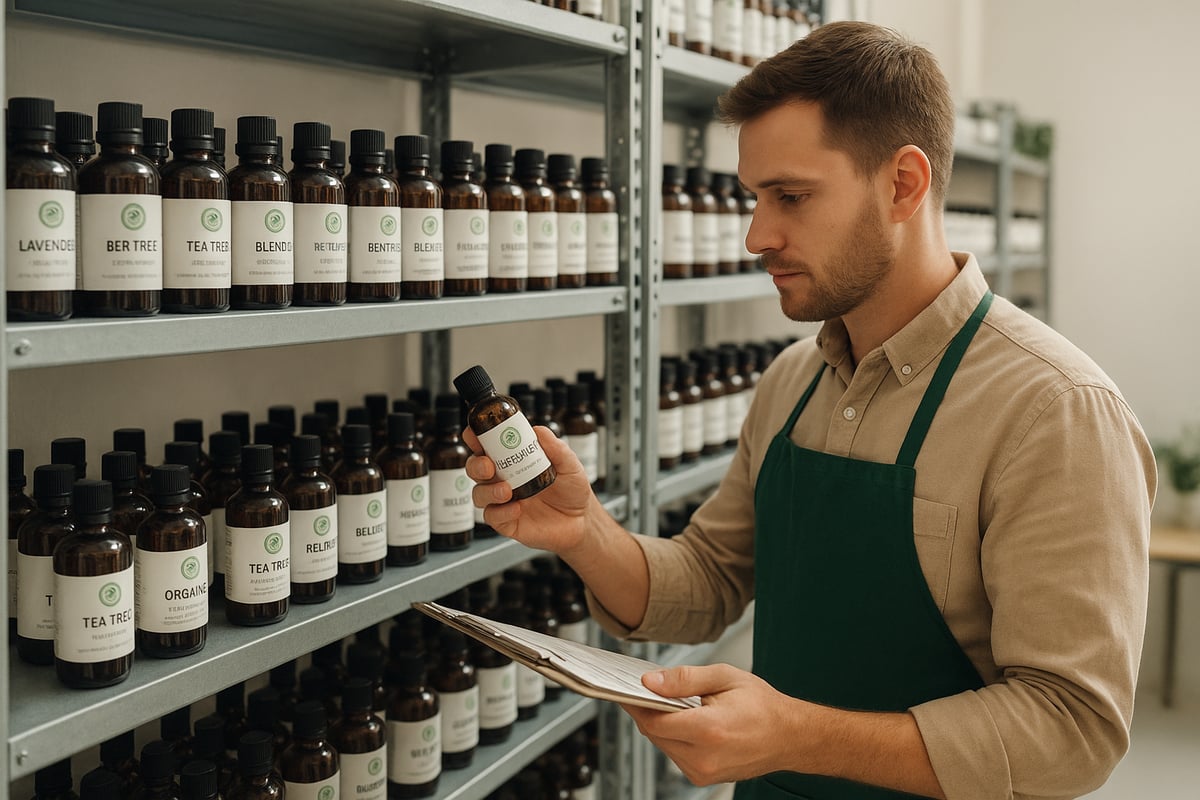
The global revenue of essential oil wholesale is growing strongly in 2026. Aromatherapy and wellness are the main drivers behind this growth. Demand for organic and sustainable oils is rising, partly due to consumers demanding transparency and traceability in the supply chain.
Niche oils and blended formulas are gaining popularity, especially for specific uses like sleep support or focus. Wholesalers like Varuvo offer over 1000 products, with fast delivery now the standard. Lavender, tea tree, and innovative blends are especially favored by companies and practices.
There is a clear increase in private label and white label initiatives, allowing entrepreneurs to stand out in a competitive market. Want to learn more about market trends and the essential oil wholesale supply? Check out the essential oil wholesale overview for current insights.
| Popular Oil | Application | Trend in 2026 |
|---|---|---|
| Lavender | Relaxation, skin | High |
| Tea Tree | Skin, Wellness | Stable |
| Blends (sleep/focus) | Specific Purposes | Strong Growth |
Main User Groups and Applications
Within essential oil wholesale, beauticians, therapists, wellness centers, and health coaches are the main user groups. They use essential oils in massage, skincare, diffusers, and bath products.
Notably, the rise of essential oils in food products and supplements offers new market opportunities. However, professional practice application remains the largest sales market. Wholesalers like Varuvo and Helios Holland supply directly to practices, highlighting the importance of B2B purchasing.
The difference between B2B and B2C mainly lies in scale and product type. Practices often buy larger quantities and pay extra attention to quality and certification, while consumers usually choose smaller amounts for home use.
Main Challenges and Opportunities in 2026
For essential oil wholesalers, quality assurance and authenticity are the biggest challenges. Due to the growing supply and international competition, price pressure arises, increasing the importance of differentiation.
Opportunities lie especially in organic certification and sustainability. The demand for certified organic oils increases every year. Regulations and changing consumer preferences influence the supply and require process adjustments.
Digitalization plays a major role: purchasing processes become more efficient and logistics are further optimized. Wholesalers invest in knowledge sharing through customer service and extensive knowledge bases. This helps customers make the right choices and strengthens the relationship between supplier and customer.
In summary: those who want to succeed in essential oil wholesale in 2026 focus on quality, transparency, and innovation. By actively responding to trends and challenges, you seize opportunities in a rapidly growing market.
Quality and Certification of Essential Oils
Ensuring quality and certification is an essential aspect of doing business with an essential oil wholesaler. For professionals and companies, product reliability forms the foundation for success and customer satisfaction. In this section, we explore what quality means, which certifications are relevant, how to work safely, and how to assess the quality of essential oils yourself.
What is Quality in Essential Oils?
Quality at an essential oil wholesaler always starts at the source. Only 100% pure, natural oils without synthetic additives meet the highest standards. The origin of the plants, cultivation methods, and harvesting techniques play a major role. Production methods like steam distillation or cold pressing determine the composition and effectiveness of the oil.
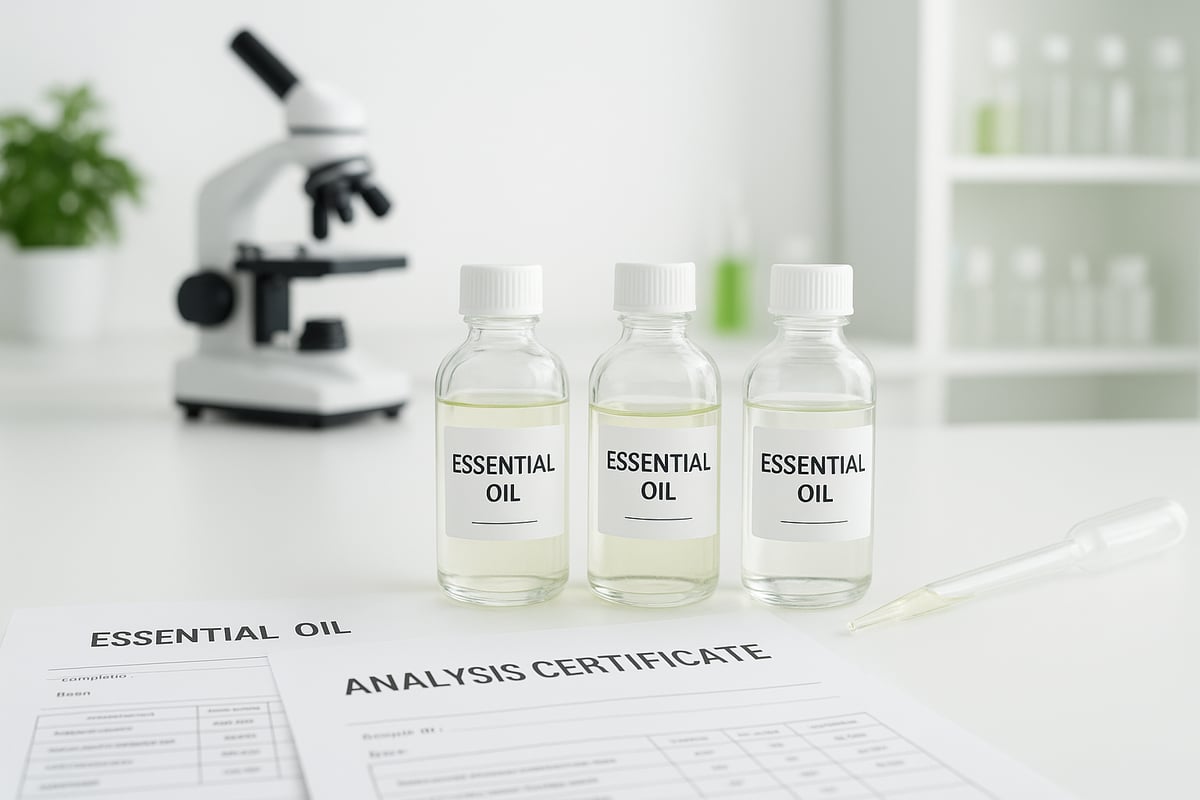
A professional essential oil wholesaler will always conduct laboratory analyses, such as GC/MS reports, to scientifically verify the composition. This ensures purity and detects possible adulterations. For example, Helios Holland is known for their focus on pure natural oils, with every product traceable back to the source.
The difference between synthetic and natural oils is clear: only natural oils offer the full aromatic and therapeutic spectrum. Storage and packaging are also crucial. Dark glass and airtight seals protect the oil from oxidation and quality loss. This way, an essential oil wholesaler guarantees consistency and safety for every application.
Organic and Sustainable Certifications
Organic certifications are indispensable when selecting a reliable essential oil wholesaler. Labels like EU Bio, EKO, and SKAL indicate the oil is produced according to strict environmental standards, without synthetic pesticides. Sustainability labels, such as fair trade, ensure fair trade and respect for people and nature.
Traceability is an important point: every step from farmer to bottle must be transparent. Many wholesalers offer a separate category for certified organic essential oils, simplifying the purchasing process. Consumers and professionals increasingly demand transparency, making these certificates boost trust.
The demand for certified organic products grows every year. If you want to learn more about quality standards and certification requirements, consult the detailed information on quality and certification of essential oils. This way, you can be sure your essential oil wholesaler meets the strictest standards.
Safety, Allergies, and Legislation
Safety comes first when using products from an essential oil wholesaler. Each product requires proper dosage and application. Too high concentrations can cause skin irritation or other complaints. Always test new oils on a small patch of skin and read the warnings carefully.
Specific regulations apply for use with children, pregnant women, and in food. European legislation sets labeling requirements, such as listing allergens and risks. For example, citrus oils are sensitive to photosensitization, which requires extra attention in practice.
Wholesalers like Helios Holland actively inform about potential risks and provide advice on antidote procedures. By taking the right precautions, you ensure the safety of your client and yourself when working with an essential oil wholesaler.
Testing and Comparing Quality
Assessing the quality of an essential oil wholesaler yourself is crucial. Pay attention to scent, viscosity, and color: deviations may indicate adulteration or aging. Independent laboratory tests, such as GC/MS analysis, provide objective assurance about composition and purity.
Compare different wholesalers based on analysis certificates, batch numbers, and transparency of product information. Both Varuvo and Helios Holland supply only pure natural oils and provide detailed analysis certificates with every delivery.
Use the checklist below when purchasing:
- Always ask for batch information
- Verify certifications and labels
- Evaluate packaging and shelf life
- Check allergen information
- Compare prices and quality
With this approach, you as a professional ensure that every wholesale essential oil you use or sell meets the highest standards.
Purchasing Strategy: Step-by-Step Guide for Successful Buying
Successful purchasing from a wholesale essential oil supplier requires a structured approach. By following these steps, you increase the chances of quality products, competitive prices, and smooth logistics. Below you will find the complete purchasing strategy for 2026.
Step 1: Define Your Needs and Application
Before you start purchasing from a wholesale essential oil supplier, first analyze the intended use. Do you want to use the oils for aromatherapy, massage, skincare, or even nutrition? This not only determines the type of oil but also the desired quality and purity.
Determine how much you need. Do you work with bulk packaging, or are small bottles more convenient for your practice? Make a list of favorite scents and blends that suit your customer base. Also consider seasonal influences: fresh citrus scents are popular in spring, while warm spicy oils are used more in winter.
Note the difference between single oils and blended formulas. For each application, a wholesale essential oil supplier offers a different range. This way, you choose purposefully and avoid unnecessary stock.
Step 2: Select the Right Supplier
Choosing the right wholesale essential oil supplier is crucial for long-term success. Compare wholesalers based on product range, certifications, prices, and delivery times. See if the supplier specializes in your industry, such as wellness or cosmetics.
Pay attention to the quality of customer service. Does the wholesaler offer advice, a knowledge base, or even dropshipping? This can make a difference in efficiency and customer satisfaction. Check if there are minimum order quantities and whether volume discounts are available for larger orders.
Always ask for references or customer reviews. This provides insight into the supplier's reliability. Find more tips in this Guide to Selecting Quality Wholesale Essential Oils, where you learn what to look for when evaluating suppliers. This helps you avoid surprises and build a stable relationship with your wholesale essential oil supplier.
Step 3: Check Quality and Certificates
Quality is key with every wholesale essential oil supplier. Always ask for analysis certificates (such as GC/MS reports) and check batch information. This way, you can be sure you receive a pure and safe product.
Check whether the oils carry organic and sustainability labels. Pay attention to the packaging: dark glass and a good closure extend shelf life. Verify the presence of allergen information and clear usage instructions.
Compare the transparency of wholesalers in their product information. A reliable essential oil wholesaler openly shares all relevant details. This prevents problems and builds trust with your customers.
Step 4: Price Comparison and Negotiation
Compare prices per milliliter or liter among different wholesalers. Watch for volume discounts, seasonal offers, and possible free shipping above a certain amount. Take total costs into account, including transport and packaging.
Consider private label or white label options if you want to strengthen your own brand. Some wholesalers offer extra margin for larger purchases. Always ask about negotiation possibilities, especially if you regularly order large quantities.
A clear table helps compare prices and conditions. This way, you always choose the essential oil wholesaler that best fits your budget and business ambitions.
Step 5: Ordering and Handling Logistics
Place your order easily through the essential oil wholesaler’s online portal or directly with the account manager. Pay attention to the stated delivery times; fast delivery is standard in 2026, especially for urgent orders.
Choose whether you want the products delivered to your practice address or directly to your client via dropshipping. Always check the order confirmation and track your package with track and trace. Many wholesalers offer a flexible return policy and good customer service for logistics questions.
Efficient logistics prevent delays and ensure your essential oil stock is always maintained. This allows you to serve your customers quickly and reliably.
Step 6: Storage and Use of Essential Oils
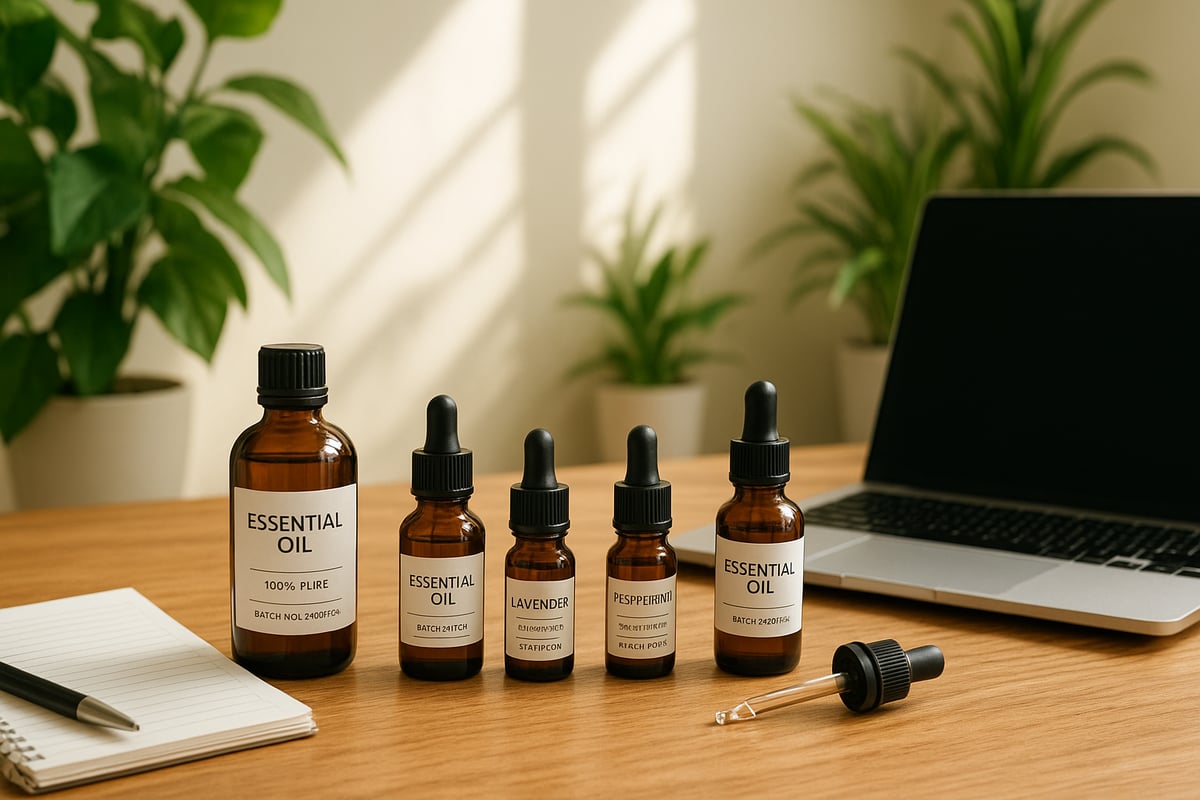
For long shelf life, store essential oils in a cool, dark, and airtight place. Always use dark glass bottles with a secure closure. Label each bottle with the batch number and expiration date.
Follow the safety regulations for storage, especially when working with larger volumes. Pay attention to legal requirements regarding the storage of volatile substances. A good essential oil wholesaler provides clear instructions on dosage and use for each application.
Regularly checking your stock prevents quality loss. This way, your practice can safely and professionally work with essential oils.
Oliemeesters: Organic Essential Oils Wholesale
Oliemeesters is the specialist wholesale supplier of essential oils for businesses and professionals who choose quality and sustainability. You will find a wide range of 100% pure, certified organic oils.
Whether you are looking for bulk purchases, private label options, or reliable delivery within the EU, Oliemeesters offers customized solutions. Transparency, fast service, and knowledge sharing are central to this wholesale essential oil supplier.
Practical Applications and Inspiration for Professionals
Essential oils play an increasingly important role across various sectors. Whether you work as a beautician, therapist, or wellness entrepreneur, wholesale essential oils offer countless possibilities for professional applications and product development.
Essential Oils in Practice: Examples and Recipes
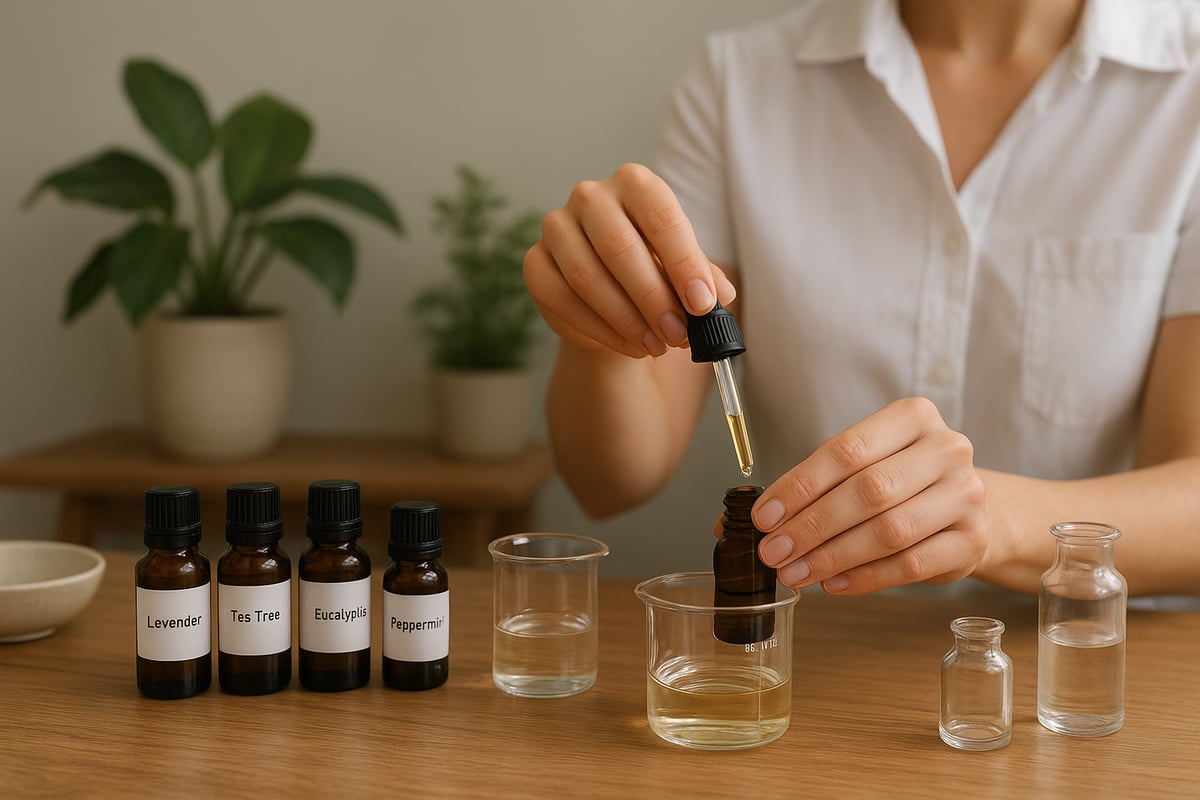
Professionals use wholesale essential oils daily in a variety of treatments and products. Think of aromatherapy, where lavender oil provides relaxation and peppermint oil boosts energy. Tea tree oil is widely used for skincare, for example in creams or masks.
Knowledge is essential when creating your own blends. A popular mix for relaxation consists of lavender, orange, and ylang-ylang. For a refreshing summer blend, combine lemon, mint, and eucalyptus. Always pay attention to the correct dosage: 3% essential oil for body milk, while 2% is usually sufficient for massage oil.
Seasonal blends are popular. In spring, fresh, floral scents are favored, while in autumn, warm, spicy oils like cinnamon and clove are preferred. By working with wholesale essential oils, you can respond to these trends and always offer your clients something new.
Safety and Dosage in Practice
Safe use of wholesale essential oils requires attention to dosage and application method. For example, use 10 drops of essential oil per full bath or 5 to 10 drops in an aroma lamp. Specific precautions are necessary for children, pregnant women, and people with allergies.
Always perform an allergy test before applying a new oil. Avoid use on babies and pregnant women without professional advice. Use droppers and mixing cups for precise dosing to ensure effectiveness and safety with every treatment.
Inspiration for Product Development and Private Label
More and more professionals are choosing to develop their own line with wholesale essential oils. This can range from unique blends to complete wellness or skincare sets. Wholesalers often offer private label and white label options, allowing you to professionally position your brand in the market.
Trends include natural perfumes, seasonal blends, and products that combine essential oils with plant-based carrier oils. Branding and packaging play a major role: think of labels with batch numbers and clear product information.
Curious how to approach such a process? Check out the Private Label Essential Oil Guide for practical steps and inspiration to successfully start your own brand within the wholesale essential oil sector.
Customer Communication and Advice in Practice
Successful work with wholesale essential oils requires clear communication and advice toward your customers. Good customer service, a knowledge base, and clear product information are indispensable. Wholesalers like Varuvo and Helios Holland offer extensive support and advice on product selection and application.
Organize workshops or scent experiences to share your expertise and inspire customers. This way, you build long-term relationships and position yourself as a trusted source of knowledge about wholesale essential oils.
Suppliers, Price Comparison, and Trends in 2026
The wholesale essential oil market is developing rapidly. Professional buyers have more choices among suppliers, pricing packages, and innovative services. By gaining insight into the current offerings, price structures, and latest trends, you can make targeted decisions for your company or practice.
Overview of Key Wholesalers and Suppliers
The range of wholesale essential oils in 2026 is broader than ever. Some leading names are Varuvo, Helios Holland, and Oliemeesters. Varuvo is known for an assortment of over 1000 products, fast delivery, and flexible dropshipping options. Helios Holland focuses on organic and pure natural oils, with tailored advice for professionals.
Oliemeesters stands out with a wide range of 100% organic essential oils, bulk purchases, and private label options. These wholesalers offer extensive knowledge bases, advisory services, and supply both B2B and B2C customers.
Want to look beyond the Dutch market? A useful starting point is the overview of cosmetic oil suppliers in Europe, where you can easily find new wholesale essential oil partners. Choice and service are essential, especially when purchasing for professional applications.
Price Comparison and Cost Structure in 2026
In wholesale essential oils, the price depends on various factors. Consider raw material costs, certification, packaging, and transport. Buying in bulk is usually more cost-effective per milliliter, while smaller quantities offer more flexibility for starting practices.
| Supplier | Bulk price (100ml) | Volume discount | Free delivery |
|---|---|---|---|
| Varuvo | €20,95 | Yes | > €75 |
| Oil Masters | €19,95 | Yes | > €95 |
| Helios Holland | €21,50 | Yes | > €100 |
When comparing essential oil wholesalers, don’t just look at the base price but also consider extra costs for private label, custom packaging, and fast delivery. Always request a tailored quote for large orders to maximize volume discounts.
Trends and Innovations in Wholesale
Innovation is a key driver in essential oil wholesale. Digitizing ordering and delivery processes makes it easier for companies to respond quickly. Personalization and customization, such as unique blends or private label solutions, are gaining popularity.
Sustainability is becoming increasingly important in supplier selection. The rise of organic essential oils and transparency in the supply chain are clear trends. Want to learn more about the latest developments? Check out the organic oils wholesale trends for in-depth market insights.
Fast delivery, dropshipping, and niche fragrances offer extra opportunities to differentiate yourself in the market. By following these trends, you stay relevant and innovative as a professional.
Tips for Building a Sustainable Supplier Relationship
A strong relationship with your essential oil wholesale supplier is crucial for continuity and quality. Regular communication and clear agreements about delivery and quality strengthen trust.
Collaborate on product development, for example through joint workshops or webinars. Share feedback on products and services. By investing in partnership, you benefit from knowledge sharing and can respond together to market changes.
Good suppliers think along with you, offer customized solutions, and support growth. This way, you build a successful and sustainable partnership in the world of essential oil wholesale.
Now that you know exactly what to look for when purchasing essential oils and how important quality, certification, and fast delivery are for your practice or business, you can get started right away. Whether you're looking for organic carrier oils or pure essential oils for your range, it's essential to choose a reliable wholesaler that offers transparency and expertise. Want to quickly replenish your stock so you can always meet your customers' needs? Check out the current selection and Order now - fast delivery within 1-5 days.