

The demand for cold pressed oils wholesale is growing rapidly worldwide due to the increasing need for pure, natural ingredients in food and cosmetics. Companies and professionals are looking for reliable purchasing solutions to take advantage of this opportunity.
This article offers a complete and practical purchasing guide for 2026. You will gain insight into current market trends, quality standards, supplier selection, price negotiation, logistics, and sustainable purchasing.
Want better margins, certainty, and success in large-scale purchasing? Discover the steps and tips to buy smartly and benefit from the growing market for cold pressed oils.
Market Trends and Outlook for Cold Pressed Oils in 2026
The market for cold pressed oils wholesale is steadily growing in the coming years. Demand is rising worldwide due to an increasing focus on health, sustainability, and natural ingredients. Companies in cosmetics, the food industry, and the wellness sector see cold pressed oils as valuable raw materials with attractive margins.
Growth and Demand Development
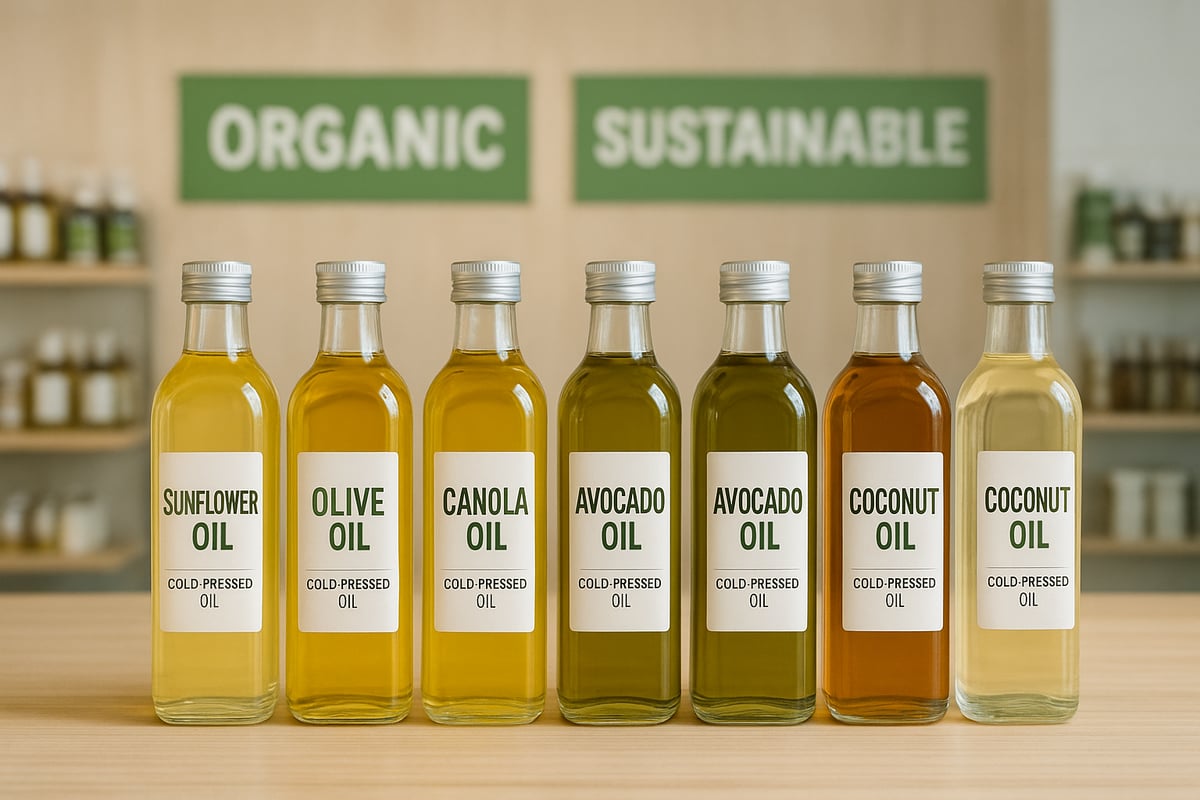
The global market for cold pressed oils wholesale shows an annual growth of about 5 to 7 percent. According to the OECD-FAO world oilseed and protein harvest forecast 2020 to 2030, a sustained increase in production and consumption of oilseeds is expected. This is mainly due to the popularity of natural oils in food and personal care.
Especially the demand for organic and sustainably certified oils is growing rapidly. Consumers are becoming increasingly aware of ingredients and origin. This encourages companies to focus on transparency and quality in cold pressed oils wholesale.
Regional differences are clearly visible. Europe strongly focuses on organic and fair trade oils, while in Asia the demand for functional blends is rising. In the United States, avocado and almond oils are favorites, especially in the food industry.
Niche oils are gaining ground. Think of baobab oil, pomegranate seed oil, and black cumin oil. These oils offer unique properties and align with the trend toward personalized products.
Regulations and certification are playing a bigger role. Certificates such as EU Organic, USDA Organic, and COSMOS are increasingly seen as minimum requirements for cold pressed oils wholesale. This raises the bar for suppliers but offers opportunities for quality-focused companies.
Main Oil Categories and Applications
Within cold pressed oils wholesale, certain oils are particularly popular. Jojoba oil, castor oil, almond oil, avocado oil, argan oil, coconut oil, grape seed oil, and black cumin oil are among the most requested categories.
Applications range from skincare to haircare and food products. In cosmetics, cold-pressed oils are valued for their pure, nourishing character. Brands use them as a base in serums, creams, and hair masks. In the food sector, avocado oil and coconut oil are popular for their flavor and nutritional value.
The difference between bulk and private label is important. Wholesalers often supply both producers who bottle themselves and companies that sell under their own brand name. Private label offers opportunities to develop unique blends or odorless variants, catering to the demand for customization within cold pressed oils wholesale.
Product innovation is on the rise. There is high demand for odorless oils, blends with added value (such as vitamin E or essential oils), and functional oils for specific applications. This creates a diverse range and new growth opportunities.
More and more major brands actively communicate about the origin and sustainability of their cold-pressed oils. Transparency and certification are no longer a plus in 2026 but a requirement for successful cold pressed oils wholesale.
Quality and Certification: What Should You Look For?
Ensuring top quality is crucial for companies focused on cold pressed oils wholesale. Quality and certification not only determine the value of the oil but also the success of the final product. In this section, we discuss what to watch for to meet the strictest market requirements in 2026.

Quality Criteria for Cold-Pressed Oils
For cold pressed oils wholesale, it is essential to know the difference between cold-pressed, refined, and expeller-pressed oils. Cold-pressed oils are produced without heating or chemical agents. This results in a higher concentration of nutrients and active compounds. Refined oils, on the other hand, often lose valuable components during the refining process.
Organic certification, such as EU Organic or USDA Organic, is becoming increasingly important. Organically certified oils provide guarantees regarding cultivation, origin, and absence of pesticides. Traceability of raw materials plays a major role in cold pressed oils wholesale, especially now that customers demand transparency from farm to bottle.
The purity of cold pressed oils is determined through laboratory tests. It is important that the oil is free from additives and contaminants. Freshness and shelf life are related to oxidation sensitivity and packaging choice. Opt for dark bottles to limit oxidation. Certifications such as COSMOS, Ecocert, ISO, and Fairtrade are valuable indicators of reliability. More information about these quality standards and certifications can be found in this overview on quality and certification of cold pressed oils.
Quality differences are immediately noticeable in the final product, for example in smell, color, and texture. A high-quality jojoba oil delivers a premium skincare product, while an inferior oil can damage your brand’s image.
Practical Quality Control in Purchasing
In cold pressed oils wholesale, a structured quality control is essential. Therefore, create a checklist for receiving each delivery. Check the appearance, smell, color, and texture of the oil. Use samples and test reports to ensure consistency with larger orders.
Ensure that every supplier provides comprehensive documentation, such as a Certificate of Analysis (COA), Material Safety Data Sheet (MSDS), and an allergen list. These documents confirm that the oil complies with all legal requirements and quality standards.
Pay extra attention to deviations in smell or color, as these may indicate spoilage or improper processing. A shipment can be rejected if it does not meet the agreed specifications. Legal requirements and liability play a role, especially with defects that cause damage in the final product.
With this practical approach and attention to certification and quality, you minimize risks and maximize the value of every order in cold pressed oils wholesale.
Supplier Selection and Purchasing Channels
Choosing the right suppliers is crucial for a successful cold pressed oils wholesale strategy. The supply is growing, but quality, reliability, and price differences are significant. Companies aiming to benefit from market growth in 2026 must select their purchasing channels wisely and build relationships carefully.

Types of Suppliers and Their Advantages
In the cold pressed oils wholesale market, there are three main types of suppliers: producers, wholesalers, and intermediaries. Each type has unique advantages. Buying directly from producers offers maximum transparency and often better prices, but requires larger volumes and more purchasing knowledge. Wholesalers provide flexibility in order quantities, a wide range of products, and fast delivery. Intermediaries are useful for small volumes or niche oils but come with additional costs.
Below is an overview:
| Supplier type | Advantages | Disadvantages |
|---|---|---|
| Producer | Low price, traceability, customization | Minimum order, delivery time |
| Wholesale | Assortment, fast delivery, volume discounts | Slightly higher prices |
| Intermediary | Small volumes, niche supply | Less transparency, margin |
Reliability is essential in cold pressed oils wholesale. Check references, customer reviews, and delivery performance. A successful partnership, for example with a wholesaler who adapts flexibly to volume changes, can improve margins and delivery reliability. Want to know more about the current offerings? See the wholesale plant oils overview for an up-to-date product list.
Oliemeesters: Sustainable Wholesale Partner
Oliemeesters is the specialist in organic cold pressed oils wholesale. With a wide range—from jojoba, castor, almond, and avocado to argan, baobab, and various essential oils—they serve both small and large buyers across Europe.
Unique advantages of Oliemeesters:
- 100% pure, organic, and cruelty-free
- Private label programs for B2B customers
- Fast delivery throughout Europe
- Transparent origin and full certification (EU Organic, Ecocert)
- Volume discounts for bulk purchases
- Excellent customer reviews and personalized service
A practical example: a cosmetics brand switched to cold pressed oils wholesale via Oliemeesters and was able to launch its own line within six weeks thanks to the private label process. The transparency in certification and quick communication built trust and long-term collaboration.
For companies looking to invest in sustainable growth, cold pressed oils wholesale through a partner like Oliemeesters is a future-proof choice.
Purchasing Channels and Platforms
Finding the right purchasing channels is a strategic step in cold pressed oils wholesale. International trading platforms like Alibaba provide access to global suppliers but come with risks such as quality variations and long delivery times. Local B2B marketplaces offer more control and faster communication.
Trade shows and fairs are ideal for meeting suppliers in person, comparing samples, and discussing contract agreements. When purchasing online, pay attention to quality marks, industry organizations, and clear delivery terms. Always document agreements on price, delivery, and quality in writing.
Contract management is indispensable within cold pressed oils wholesale. Use volume discounts and long-term agreements for stable prices. Invest in relationship management and periodically evaluate suppliers to ensure continuity and quality.
Price Negotiation and Contract Management
Pricing strategy and contract management are essential for successful cold pressed oils wholesale purchasing. By negotiating smartly and planning well, companies can optimize their margins and limit risks. In this section, we discuss how the price is determined, which market mechanisms play a role, and how to negotiate effectively with suppliers.

Price Structure and Market Mechanisms
The price of cold pressed oils wholesale is influenced by various factors. First of all, raw material prices and the annual harvest determine the base level. Fluctuations in the availability of seeds or nuts can directly affect the purchase price. Additionally, transport costs and certification requirements play a role. Organic or fairtrade certificates often increase the cost price but also add value for the buyer.
Seasonal influences are important in cold pressed oils wholesale. Prices often rise after poor harvests or extreme weather conditions. Geopolitical developments, such as trade restrictions or import tariffs, can also affect the price. The difference between spot prices and fixed contracts is crucial: spot prices follow the market, while fixed contracts provide protection against sudden increases.
An overview of price-determining factors:
| Factor | Impact on Price |
|---|---|
| Raw material prices | High/low depending on season |
| Transport | Dependent on distance and mode |
| Certification | Additional costs, higher value |
| Harvest results | Direct impact on supply |
| Geopolitics | Uncertainty, price volatility |
| Bulk purchase | Volume discount available |
Volume discounts and long-term agreements are common within cold pressed oils wholesale. By purchasing larger volumes, companies can negotiate more favorable rates. More information about bulk purchasing and pricing structures can be found in the article Buying Oil in Bulk Wholesale.
Price fluctuations have been significant in recent years. Companies that make fixed price agreements in time protect themselves against unexpected increases. It is advisable to follow market trends and anticipate changes promptly.
Effective Negotiation with Suppliers
Successful negotiation within cold pressed oils wholesale requires thorough preparation. Always start with market research and benchmark your prices with multiple suppliers. This gives you insight into market-compliant rates and prevents you from overpaying.
Essential negotiation points are:
- Price per Liter or Kilogram
- Delivery Time and Delivery Reliability
- Payment Terms (prepayment, on account)
- Return Policy and Complaint Handling
Set clear priorities and be transparent about your expectations. Practical tips include requesting tiered discounts for large orders or fixing price agreements for longer periods. A successful negotiation always starts with open communication and mutual trust.
An example: a cosmetics company negotiated a one-year contract for argan oil with a supplier. By bundling volumes and being flexible with delivery times, the company secured a tiered discount of 8%.
Relationship management is an underrated part of cold pressed oils wholesale. Good contacts with suppliers often lead to better terms and faster solutions when problems arise. Legal aspects such as contract duration, penalty clauses for late delivery, and quality guarantees must always be documented in writing. This prevents disputes and protects your business interests.
In short, a structured approach to price negotiation and contract management lays the foundation for a profitable and stable partnership in cold pressed oils wholesale.
Logistics, Storage, and Distribution
Logistics, storage, and distribution form the backbone of a successful cold pressed oils wholesale operation. Every step, from transport to inventory management, requires attention to detail to ensure quality and continuity. In this section, you will discover how to optimize logistical processes and minimize risks.
Logistical Challenges in Bulk Purchasing
In cold pressed oils wholesale, transport is about more than just speed. Oils are sensitive to oxidation and temperature fluctuations. Therefore, it is essential that transport means are temperature-controlled and provide protection against light. This prevents quality loss and extends shelf life.
The type of transport depends on the destination and urgency. Sea freight is cost-effective for bulk but slower than air freight. Road transport is ideal within Europe for flexibility and faster delivery times. Always pay attention to packaging: IBC containers or steel drums with UV filters are standard in cold pressed oils wholesale.
Customs and import regulations vary by country. Within the EU, imports usually proceed smoothly, but outside the EU, inspections or certificate requirements can cause delays. A practical example: a large shipment was held up in Rotterdam due to missing analyses, resulting in extra storage costs.
Insurance is crucial. Depending on the value and risk of the cargo, choose transport insurance that covers damage from leakage, theft, or spoilage. This prevents financial surprises during the cold pressed oils wholesale process.
Storage and Inventory Management
Proper storage is essential for the quality of cold pressed oils wholesale products. Always store oils in a cool, dry place, protected from direct light. A constant temperature below 20°C and packaging in airtight, dark bottles or containers minimizes oxidation.
The FIFO principle (First In, First Out) helps to use older batches first. This prevents products from passing their expiration date. This is especially important for fast-moving cold pressed oils wholesale inventories.
Inventory planning is aligned with seasonal peaks and promotions. Automation and digital tracking with barcodes or RFID provide real-time insight into stock levels. This reduces the risk of shortages or surpluses in cold pressed oils wholesale.
An example: a batch of cold pressed oil was temporarily stored in a poorly ventilated space. Due to high temperature, rancidity developed, resulting in complete rejection. That is why investing in proper storage and monitoring is essential for every cold pressed oils wholesale business.
Sustainable and Ethical Purchasing of Cold Pressed Oils
Sustainability and ethics are crucial themes for companies active in cold pressed oils wholesale. Customers and partners increasingly demand transparency and responsible choices. By investing in sustainable purchasing, you differentiate your organization in a competitive market and build long-term trust. Cold pressed oils wholesale requires a clear strategy regarding certification, ethics, and communication, so you not only comply with regulations but also respond to the growing demand for pure and fair products.
Sustainability Criteria and Certifications
Sustainable purchasing in cold pressed oils wholesale starts with selecting suppliers who meet strict certifications. Important labels include EU Organic, USDA Organic, Fairtrade, and COSMOS. These certificates ensure that the oils come from organic cultivation, without harmful pesticides, and with respect for people and the environment. Transparency in the supply chain is essential: traceability from farmer to bottle strengthens the trust of both business customers and consumers.
The impact of sustainable purchasing on your brand reputation is significant. Retailers and cosmetics manufacturers set increasingly strict sustainability requirements. They demand clear documentation and independent audits. Projects where suppliers invest in local communities, such as education or environmental conservation, are often rewarded with long-term partnerships. For an in-depth overview of organic and sustainable requirements in wholesale, you can consult the article Organic Oils Wholesale Guide.
Below is an overview of common sustainability criteria:
| Certificate | Focus Area | Benefits for cold pressed oils wholesale |
|---|---|---|
| EU Organic / USDA | Organic cultivation | Higher market value, better margins |
| Fairtrade | Social justice | Fair trade, positive CSR communication |
| COSMOS/Ecocert | Natural cosmetics | Access to the premium cosmetics market |
In short, by choosing certified partners within cold pressed oils wholesale, you meet market demands and contribute to a transparent and sustainable supply chain.
Ethical Considerations and CSR
Besides certifications, cold pressed oils wholesale requires attention to ethical aspects and corporate social responsibility (CSR). Fair trade means farmers receive a living wage, which directly contributes to social stability in producing countries. Increasingly, buyers demand cruelty-free and vegan production processes, matching the preferences of conscious consumers.
Reducing the ecological footprint also plays a major role. Think of using recyclable packaging and optimizing transport to minimize CO2 emissions. Example: a supplier switching to glass bottles and using solar energy for production demonstrably improves their sustainability profile within cold pressed oils wholesale.
Successful CSR campaigns focus on transparent communication. By informing consumers about sustainable choices within cold pressed oils wholesale, you increase loyalty and facilitate access to new markets. Major buyers expect sustainability to be visible not only in policy but also in daily practice.
In summary: cold pressed oils wholesale requires an integrated approach where ethics, sustainability, and transparency go hand in hand. This strengthens your market position and contributes to a livable future for all links in the chain.
Step-by-step plan: Successful Purchasing of Cold Pressed Oils in 2026
A structured approach is essential for companies aiming to succeed in the cold pressed oils wholesale market. This step-by-step plan provides concrete tools to optimize every aspect of the purchasing process and reduce risks.
1. Market Research and Needs Assessment
Start with thorough market research to map out opportunities for cold pressed oils wholesale. Analyze market trends, competition, and demand in relevant sectors such as cosmetics and food. Identify which oils have the best potential for your target audience and applications. Use data from recent market forecasts to predict growth and price developments. Know the volumes and qualities needed to meet customer expectations. This way, you avoid bad purchases and optimize margins. Good preparation forms the foundation for a successful cold pressed oils wholesale strategy.
2. Selection of Certified Suppliers
Compare different suppliers on quality, price, and delivery reliability. Always ask for current certifications and documentation. Transparency about origin and production methods is crucial in cold pressed oils wholesale. Consult platforms and independent reviews to verify experiences of other companies. Use, for example, this guide for supplier selection of crude vegetable oils as a tool to evaluate potential partners. Choose only suppliers that meet your quality and sustainability criteria.
3. Samples and Quality Control
Request test samples before purchasing large quantities of cold pressed oils wholesale. Carefully assess the scent, color, texture, and purity of the oils. Use laboratory analyses to check for additives, contaminants, and oxidation. Compare samples with product specifications and certificates. Document all findings for future reference. Reject batches immediately if deviations occur to prevent reputational damage or complaints. Quality assurance at the first step prevents major problems later in the process.
4. Price Negotiation and Contract Agreements
Negotiate sharply on price, delivery time, and payment terms for cold pressed oils wholesale. Use market research and benchmarks to establish strong starting positions. Pay attention to volume discounts, fixed price agreements, and clear delivery conditions. Document all agreements in a legally binding contract, including return policies and warranties. Focus on penalty clauses for non-compliance. Transparent contract terms provide peace of mind and security in the partnership. A good contract protects your interests in the long term.
5. Organizing Logistics and Storage
Arrange transport, insurance, and storage of cold pressed oils wholesale carefully. Align logistics with the requirements of the oils, such as temperature and protection from light. Choose reliable logistics partners experienced in bulk transport. Implement inventory management according to the FIFO principle to ensure freshness. Provide clear shipment tracking and monitor stock levels. By planning proactively, you prevent delays and spoilage, which directly affects profitability.
6. Sustainability and Ethical Purchasing Assurance
Check whether the entire cold pressed oils wholesale supply chain meets sustainable certification (such as EU Organic or Fairtrade). Request transparency about traceability from farm to bottle. Pay attention to eco-friendly packaging and transport. Verify that production is cruelty-free and vegan where relevant. Clearly communicate these efforts to customers so sustainability claims are credible. Sustainable purchasing increases the trust of buyers and end users in your brand.
7. Evaluation and Relationship Management
Periodically evaluate the collaboration with suppliers in cold pressed oils wholesale. Regularly ask your team and customers for feedback on product quality and delivery reliability. Track KPIs such as complaint handling and lead times. Invest in relationship management through open communication and joint improvement projects. A strong relationship with your suppliers leads to better terms, faster service, and more innovation power. Together, you build long-term success in the market.
Now that you know exactly what to look for in the large-scale purchase of cold-pressed oils—from market trends to quality control and sustainable choices—you are stronger in your decisions for 2026. Want to immediately benefit from a wide, certified range of organic oils that are delivered quickly and reliably? At Oliemeesters, you’ll find 100% pure, cruelty-free oils suitable for both cosmetic and food purposes. This way, you can easily take the next step in your purchasing process. Discover the selection and order today for fast delivery within 1 to 5 days: Order now fast delivery within 1 5 days