

The global market for cosmetic ingredients wholesale is growing rapidly, driven by consumers who demand ever higher standards of quality, transparency, and sustainability. In 2026, strategic purchasing is more important than ever for companies that want to remain competitive.
This article provides you with in-depth and up-to-date purchasing advice. We use the AIDA method: we capture your attention with current market growth, spark interest with the latest trends, create desire for profitable purchasing, and prompt you to take action with practical tips.
You will read all about market developments, in-demand ingredients, supplier selection, pricing strategies, logistics, regulations, and future trends. This way, you are optimally prepared for successful purchasing in the cosmetic ingredients wholesale market.
Market developments and trends in cosmetic ingredients 2026
The market for cosmetic ingredients wholesale is rapidly changing toward 2026. Companies see strong growth in demand, driven by consumers who set higher standards for transparency, sustainability, and innovation. In this section, you will discover the key developments, technologies, and regional opportunities that shape your purchasing strategy.

Growth of the global market
The global market for cosmetic ingredients wholesale shows impressive growth. According to recent forecasts, revenue rises annually with a CAGR of 5 to 7 percent through 2026. Natural and organic ingredients are especially popular. Consumers demand transparency about ingredient origins and increasingly choose products with a traceable supply chain.
The sale of organic oils and butters in Europe increases annually. Demand for niche ingredients such as adaptogens, ferments, and multifunctional extracts is growing as brands seek to differentiate themselves. Sustainability and ethical sourcing are no longer optional but a requirement for successful cosmetic ingredients wholesale.
Consumer trends directly influence B2B purchasing. Brands adjust their range based on health, environmental awareness, and natural formulations. Suppliers respond by expanding their offerings with certified organic oils. For example, see the overview of all organic natural oils that meet the highest B2B standards.
Innovations and technological developments
Technological advances accelerate evolution within cosmetic ingredients wholesale. New extraction methods such as CO2 extraction, cold pressing, and enzymatic processes provide pure, active ingredients with minimal environmental impact. Suppliers are investing in digitalization, including applying blockchain technology for transparent batch tracking.
Artificial intelligence is used for demand forecasting and supply chain optimization. Data analysis helps companies detect trends faster and align supply with changing market needs. Blockchain and AI also offer opportunities to verify the quality and origin of cosmetic ingredients wholesale in real time.
Industry examples show that companies embracing these technologies can respond faster to market developments. Transparency and efficiency thus become the new standard within cosmetic ingredients wholesale, leading to greater trust among buyers and end users.
Regional shifts and opportunities
The growth of cosmetic ingredients wholesale is visible worldwide, especially in Europe, Asia, and North America. Europe increases its market share in natural ingredients annually, partly due to strict regulations and a conscious consumer. Asia is characterized by innovation and a rapidly growing middle class embracing luxury cosmetics.
Local suppliers offer advantages such as shorter delivery times and lower transportation costs, while international suppliers often provide a wider assortment and economies of scale. The choice between local and international depends on price, availability, and sustainability. Statistics show that the EU market share in natural cosmetic ingredients wholesale increases annually, offering opportunities for B2B companies targeting this region.
Regional trends and opportunities call for a flexible purchasing strategy. By finding the right balance between local and international partners, companies can optimally benefit from the growing demand for high-quality cosmetic ingredients wholesale.
Essential Cosmetic Ingredients: Overview and Properties
Choosing the right ingredients is the foundation of every successful cosmetic ingredients wholesale strategy. Those developing cosmetic products on a large scale must pay attention not only to quality and functionality but also to trends and regulations. Below you will find an overview of the most used and valuable ingredient categories in the cosmetic ingredients wholesale market.
Vegetable Oils and Butters
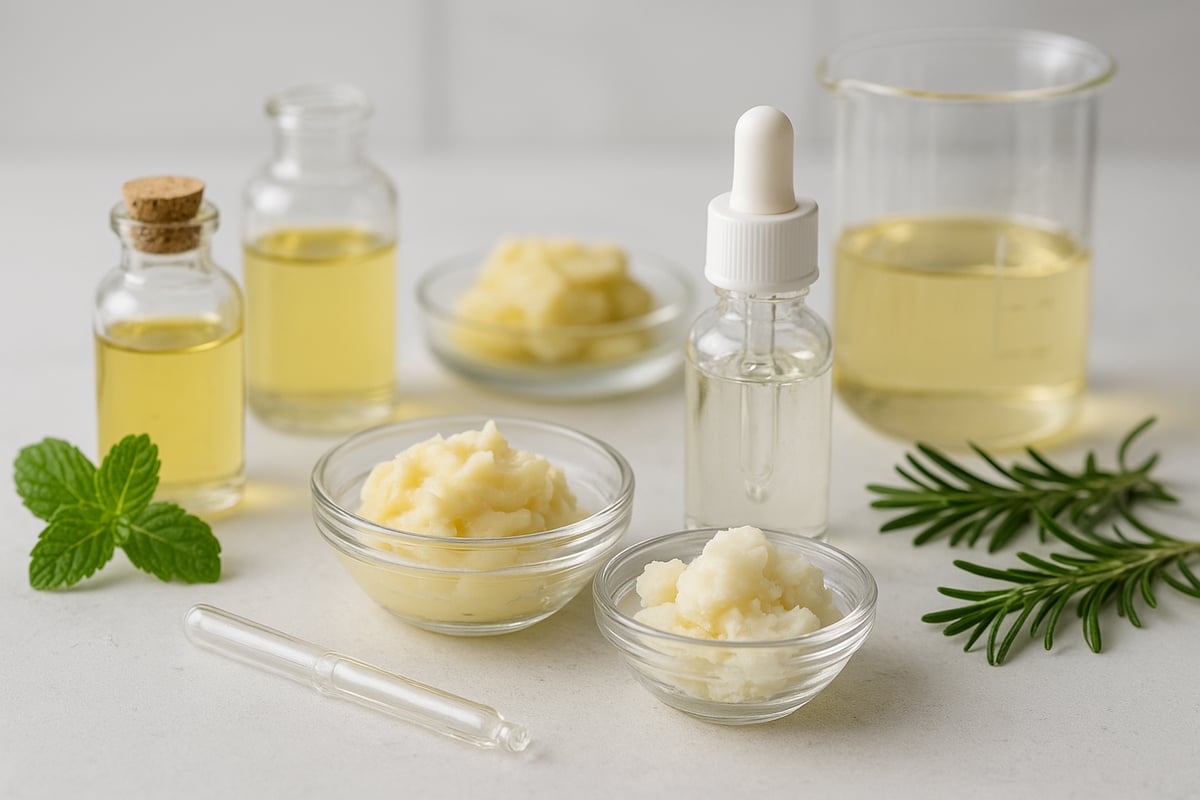
Vegetable oils and butters are indispensable in the cosmetic ingredients wholesale sector. They form the basis for countless skin and hair care products. Popular options include jojoba oil, argan oil, almond oil, coconut oil, and avocado oil. These oils are known for their moisturizing, nourishing, and protective properties, suitable for various skin types.
An important distinction within cosmetic ingredients wholesale is the difference between organic and conventional oils. Organic oils generally offer higher purity and are certified by independent bodies. This results in a higher price but also added value for brands that want to promote sustainability.
Applications range from creams, lotions, and serums to hair masks and balms. Organic shea butter, for example, is often used as a base for natural creams due to its rich fatty acid profile and smooth texture. According to recent market data, about 60% of new skincare products contain plant oils as an active ingredient.
For those looking to purchase in bulk, the Carrier Oil and Base Oil Wholesale offers a wide range of high-quality, certified oils that meet the demands of modern cosmetic companies.
Essential oils and fragrances
Essential oils and fragrances are an important part of cosmetic ingredients wholesale. They not only provide a pleasant scent but often offer additional benefits such as antimicrobial or skin-enhancing effects. Commonly used essential oils include lavender, tea tree, eucalyptus, and orange.
These oils are used both in skincare and natural perfumes. Lavender oil has a calming effect, while tea tree oil is known for its purifying properties. In cosmetic ingredients wholesale, it is essential to comply with IFRA regulations, which set limits on the use of certain fragrance substances due to potential allergens.
Safety is crucial: proper dosing and knowledge of possible side effects are necessary. Essential oils must always be used diluted. Natural perfumes increasingly use essential oils as an alternative to synthetic fragrances.
Active ingredients and extracts
Active ingredients and botanical extracts are the driving force of innovation within cosmetic ingredients wholesale. Vitamins like E, C, and B5, hyaluronic acid, and niacinamide are popular due to their proven effects. They provide antioxidants, deeply hydrate, and support skin renewal.
Botanical extracts such as green tea, chamomile, and calendula add unique properties like soothing and protection against free radicals. These ingredients are used in serums, masks, and anti-aging products.
A good example of innovation in cosmetic ingredients wholesale is the addition of niacinamide to anti-aging serums. This ingredient helps reduce fine lines and visibly improves skin texture. The demand for active ingredients continues to rise, partly due to the growing focus on results-driven skincare.
Emulsifiers, Thickeners, and Preservatives
Emulsifiers, thickeners, and preservatives are indispensable in cosmetic ingredients wholesale for the stability and shelf life of products. Natural emulsifiers like lecithin and cetearyl alcohol ensure that oil and water blend well in creams and lotions.
Natural alternatives such as xanthan gum or beeswax are often used to thicken products. Natural preservation is done with substances like potassium sorbate and sodium benzoate. These ingredients contribute to microbiological safety and longer shelf life.
The importance of the correct pH value and thorough quality control cannot be overstated. More and more cosmetic ingredients wholesale suppliers are switching to natural preservatives, as shown by the fact that 45% of cosmetic brands now use natural alternatives. This aligns with the growing demand for safe, transparent, and sustainable cosmetic products.
Supplier Selection: Criteria and Purchasing Strategies
Choosing the right suppliers is crucial for success in cosmetic ingredients wholesale. Companies must consider quality, reliability, pricing strategy, and sustainability. In this section, you will discover how to select suppliers that meet the highest standards, ensuring your cosmetic ingredients wholesale strategy is future-proof.
Quality and Certification
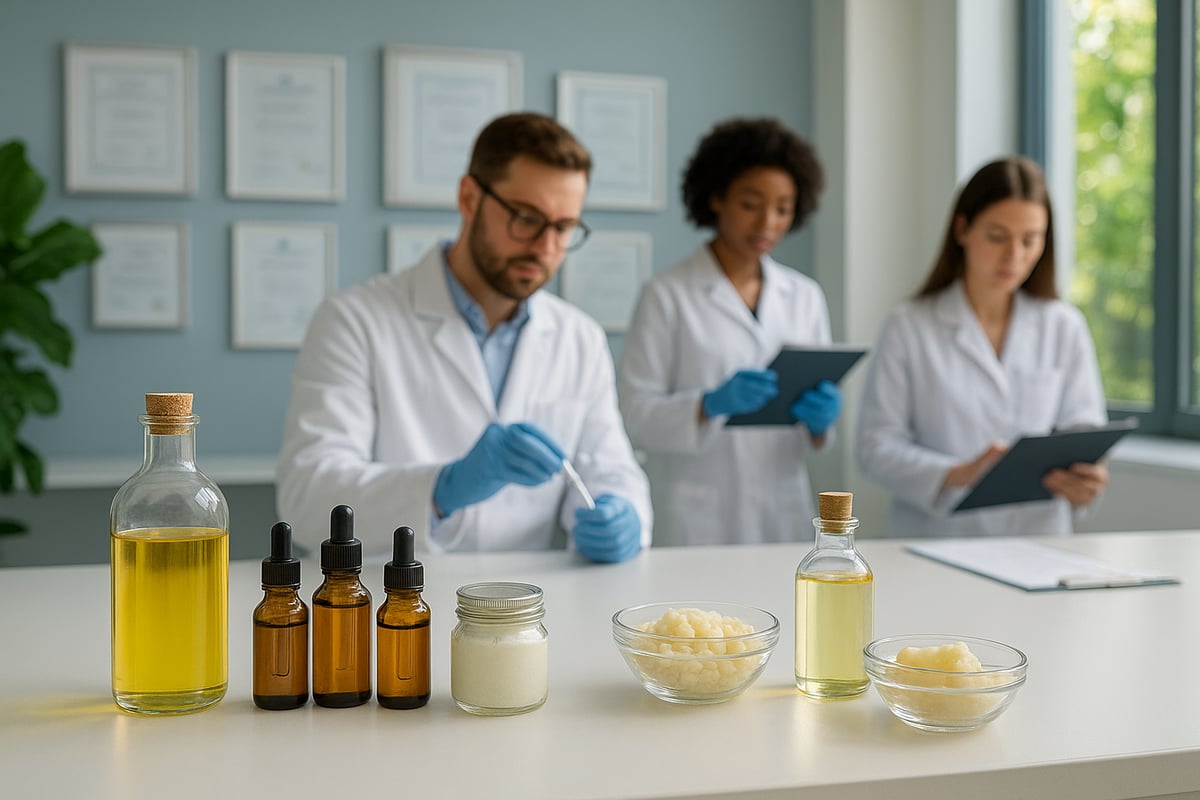
Quality is central in cosmetic ingredients wholesale. Certifications such as COSMOS, Ecocert, vegan, and cruelty-free are essential to demonstrate that ingredients meet international standards. Analyzing certificates and laboratory reports forms the basis for a reliable selection.
Suppliers with full batch traceability offer transparency and assurance about the origin of their products. This is especially important for organic ingredients because you want to ensure your cosmetic ingredients wholesale supply is free from unwanted substances. Always verify that certificates are up to date and request additional documentation if necessary.
Would you like to get acquainted directly with a wide range of certified essential oils for the cosmetic industry? Then check out the selection from the organic essential oil wholesaler. This way, you can be sure you are working with pure, controlled ingredients.
By choosing suppliers with recognized certification, you invest in quality and strengthen your position in the cosmetic ingredients wholesale market.
Reliability and delivery assurance
Supplier reliability is indispensable in cosmetic ingredients wholesale. A solid track record, positive customer reviews, and strong references provide confidence in long-term collaboration. Ask about experiences from other B2B customers and pay attention to past delivery performance.
Flexibility in deliveries and minimum order quantities make it possible to respond to changing market demand. A good supplier thinks proactively and offers solutions in unforeseen circumstances, such as delays or shortages. Risk management is becoming increasingly important, especially if you depend on international supply chains.
Set clear agreements on delivery times and consider potential risks, such as geopolitical tensions or transport issues. This ensures the continuity of your cosmetic ingredients wholesale operations and minimizes the risk of production downtime.
Pricing strategy and negotiation
A smart pricing strategy is essential for profitable cosmetic ingredients wholesale. Analyze the price structure: from raw material costs to processing, logistics, and margins. By understanding seasonal influences on price and availability, you can make better decisions about the ideal purchasing time.
Negotiation is a specialized skill. Request volume discounts for larger orders and discuss the possibility of fixed price agreements for annual contracts. This provides stability and makes your business less vulnerable to price fluctuations. Regularly compare prices with competitors to strengthen your position.
Example: by signing a contract for annual purchase volumes, you benefit from lower prices and guaranteed delivery. A structured pricing strategy makes your cosmetic ingredients wholesale business more flexible and competitive.
Sustainability and Ethics
Sustainability is no longer a preference but a requirement within cosmetic ingredients wholesale. More and more B2B customers prefer suppliers with strong environmental policies, good labor conditions, and transparency about ingredient origins.
Ask suppliers about their policies on CO2 reduction and supply chain transparency. Sustainability certification and clear communication about environmental impact are important selection criteria. Research shows that 70% of B2B customers choose sustainable suppliers, strengthening your competitive position.
By investing in ethical and sustainable purchasing, you contribute to a positive reputation and future-proof growth of your cosmetic ingredients wholesale business.
Pricing, Contracts, and Logistics
A successful strategy for cosmetic ingredients wholesale starts with understanding pricing, thoughtful contracts, and an efficient logistics process. These three pillars together determine your company's profitability and delivery reliability in a dynamic market. Below you will read how to optimally approach each aspect for 2026.
Pricing and market mechanisms
The price of cosmetic ingredients wholesale is influenced by numerous factors. Harvest season, geopolitical developments, and transport costs play a major role. Additionally, fluctuating demand causes price spikes or drops. For example, overproduction in 2025 led to a price drop in coconut oil, which directly impacted buyers' margins.
Price indexes and benchmarking are also essential. By comparing prices from different suppliers and regions, you stay competitive. Prices of essential oils change annually by an average of 10 to 20 percent. This requires a flexible purchasing strategy and good timing.
Below is an overview of price fluctuations:
| Ingredient | Price fluctuation (2025) | Cause |
|---|---|---|
| Coconut oil | -18% | Overproduction |
| Lavender oil | +11% | Climate impact |
| Shea Butter | +7% | Logistics costs |
If you want to maximize returns from cosmetic ingredients wholesale, it is wise to actively monitor price developments and make long-term agreements where possible.
Purchase contracts and delivery terms
Good contracts are the backbone of any cosmetic ingredients wholesale operation. They provide clarity on delivery times, payment terms, and liability. The difference between spot purchases (one-time buys) and long-term contracts is significant: those who sign fixed contracts often benefit from more stable prices and guaranteed deliveries.
Pay attention to these points in contracts:
- Clear agreements on quality and specifications.
- Clear delivery times and penalty clauses for delays.
- Transparent payment terms and return policies.
A practical example: producers who sign annual contracts for bulk jojoba oil secure continuity in production and often extra discounts. Legal details are important, especially if you do business internationally. Consider liability for quality issues and clear agreements on returns.
For cosmetic ingredients wholesale, it is wise to periodically review contracts to ensure they remain aligned with changing market conditions and legal requirements.
Logistics and inventory management
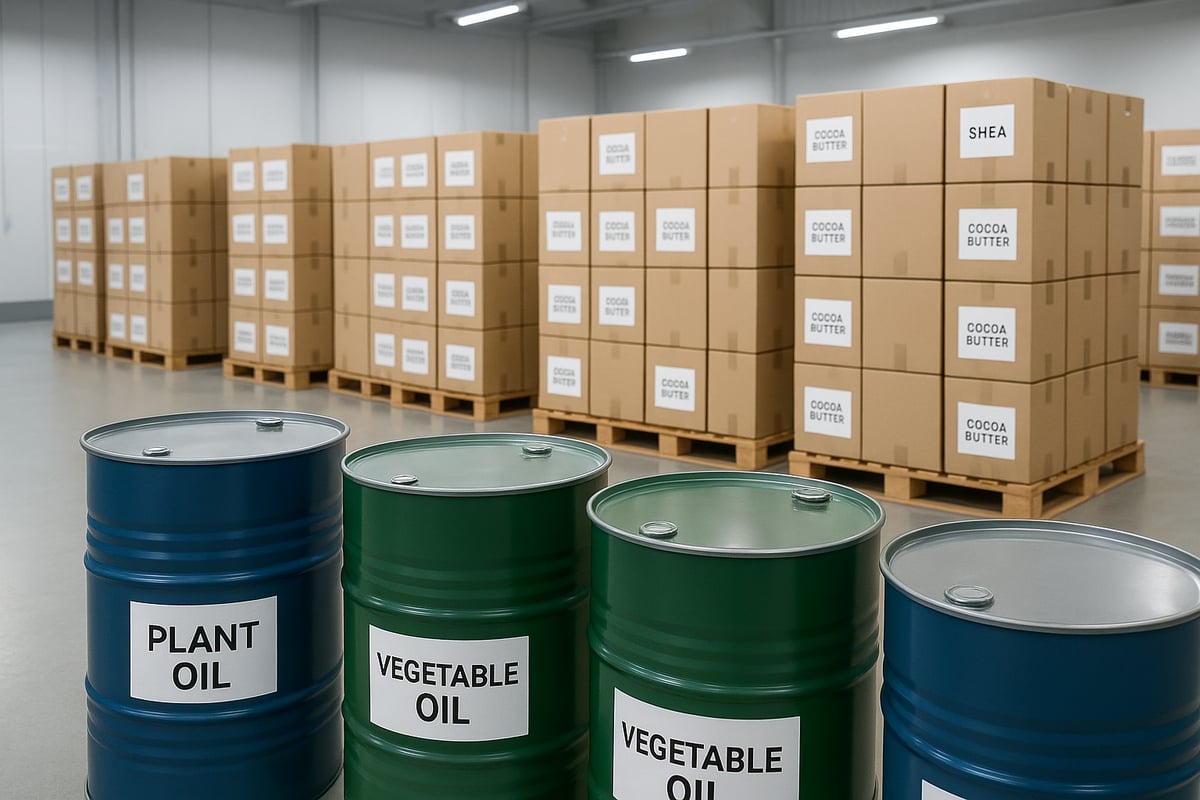
Logistics and inventory management are crucial for the efficiency of cosmetic ingredients wholesale. An optimal balance between just-in-time delivery and bulk stock prevents shortages and overstock. Especially for sensitive ingredients like essential oils or butters, proper storage – often cool and dry – is necessary to ensure quality.
Many companies reduce costs by optimizing their inventory management. Research shows that 30 percent of companies manage to cut costs by planning smarter and using storage space more efficiently. Import and export of cosmetic ingredients wholesale within and outside the EU requires knowledge of customs rules and correct documentation.
For bulk purchases of, for example, natural fats and waxes, there are specialized wholesalers. Through Natural fats and waxes wholesale, you will find essential cosmetic raw materials in large volumes, with attention to fast delivery and quality assurance.
Pay attention to logistics:
- Storage conditions (temperature, humidity, light).
- Stock rotation and shelf life.
- Compliance with import/export regulations.
Those who organize these logistics processes well gain maximum benefit from cosmetic ingredients wholesale and remain flexible in responding to supply and demand.
Cosmetic Ingredients Legislation 2026
The cosmetics sector faces a complex landscape of laws and regulations in 2026. For companies active in cosmetic ingredients wholesale, compliance with these rules is essential to enter markets and avoid reputational risks. Here is an overview of the main frameworks, labeling rules, and quality controls you need to consider.
European and international regulations
The basis for cosmetic ingredients wholesale within Europe is the EU Cosmetics Regulation (EC) No. 1223/2009. This regulation determines, among other things, which ingredients are allowed, how products must be registered, and what safety requirements apply. REACH registration and CLP classification also play a role for raw materials, especially for imports from outside the EU.
There are significant international differences. In the US, FDA regulations apply, while Asian markets have their own approval requirements. Companies must align their documents and procedures accordingly. Transparency and traceability are becoming increasingly important, partly due to new EU initiatives to simplify requirements for chemical products, as described in the Council sets position on simplifying requirements for chemical products.
IFRA standards apply to fragrances. New bans, such as the ban on TPO, require ongoing monitoring of legislation by parties in cosmetic ingredients wholesale.
Labeling and Claims
Accurate labeling is mandatory. Every cosmetic ingredients wholesale product must have a complete ingredient list according to INCI nomenclature, batch numbering, and country of origin. Since 2026, allergen labeling rules have been tightened; now 56 new allergens must be listed on the label, as detailed in 56 new allergens must be listed on cosmetic labels.
Claims like “organic,” “natural,” or “vegan” require substantiation with certificates and traceable documentation. Misleading claims or incorrect labeling can lead to fines and recalls. Pay attention to differences in claim regulations between the EU and other markets, especially for export.
Examples of correct labeling:
- Complete INCI list and batch number
- Clear allergen labeling
- Substantiated claims with certificates
Quality control and product safety
Quality control is a mandatory part of cosmetic ingredients wholesale. Every ingredient must be microbiologically tested and undergo stability tests to guarantee shelf life and safety. Safety assessments are required before the product goes to market.
Documentation is crucial:
- MSDS (Material Safety Data Sheet)
- TDS (Technical Data Sheet)
- Allergen declarations and certificates
Regular audits and spot checks are standard. Statistics show that 90% of cosmetic companies conduct safety audits annually. These controls ensure cosmetic ingredients wholesale meets the highest standards and minimize risks of recalls or damage claims.
Good quality control not only protects the consumer but also strengthens B2B customers’ trust in your cosmetic ingredients wholesale offering.
Future trends and innovation opportunities in cosmetic ingredients
The cosmetic ingredients wholesale market is undergoing rapid change. Innovation and sustainability are becoming the new standard. Leading companies focus on circular raw materials, personalized formulas, and technological advances. What are the key trends and how can you benefit as a buyer?
Rise of circular and upcycled ingredients
Circularity takes a central place within cosmetic ingredients wholesale. Producers process by-products, such as fruit pits, coffee grounds, and seeds, into high-quality oils and extracts. These upcycled ingredients not only reduce waste but also offer unique active compounds.
- Pomegranate oil from by-products of the juice industry
- Coffee oil from recycled coffee grounds
- Avocado oil from non-consumed fruits
Since 2024, the share of upcycled cosmetic products has grown by 25%. This offers opportunities for wholesalers who want to offer sustainable raw materials.
Personalized beauty and AI-driven formulations
The demand for personalized care is growing strongly in cosmetic ingredients wholesale. Thanks to AI, brands can perform skin analyses and create custom formulas. Customers receive a unique ingredient mix tailored to their profile.
AI analyzes skin type, sensitivities, and preferences. Then ingredients like niacinamide, hyaluronic acid, and botanical extracts are offered in the ideal ratio. This makes the difference in a competitive market.
New functional ingredients
Innovation in cosmetic ingredients wholesale revolves around functional substances that go beyond basic care. Popular are adaptogens, prebiotics, and postbiotics that support skin balance and resilience.
| Ingredient | Property | Application |
|---|---|---|
| Adaptogens | Stress reduction | Anti-aging, soothing |
| Prebiotics | Microbiome balance | Facial care |
| Postbiotics | Skin repair | Serums, creams |
More information about these ingredients can be found in the COSMILE Europe - Information on cosmetic ingredients at your fingertips database.
Digitization of the supply chain
Technological advances are transforming cosmetic ingredients wholesale profoundly. Blockchain ensures full traceability of ingredients, from origin to delivery. Real-time batch tracking minimizes risks of counterfeiting and delays.
AI is used for demand forecasting and inventory optimization. This allows companies to respond faster to trends and market fluctuations. Transparency in the supply chain becomes a decisive factor for B2B customers.
Sustainability as the standard
Sustainability has become indispensable in cosmetic ingredients wholesale. Climate-neutral production, eco-packaging, and organically certified ingredients are the standard. By 2026, 80% of new cosmetic brands will consciously choose a sustainable purchasing policy.
Companies investing in eco-friendly processes, CO2 reduction, and transparency are better positioned for future growth. The market demands ethics, quality, and responsibility.
Now that you have a clear understanding of the latest market trends, essential ingredients, and smart purchasing strategies, it's time to strengthen your range with high-quality, organic oils. At Oliemeesters, you can be sure you're choosing pure, certified products that meet the highest sustainability standards. Whether you want to start a brand or expand your existing line, we support you with transparent documentation and fast delivery. Want to benefit immediately from our wide selection of carrier oils and base oils? Order now for fast delivery within 1-5 days