

The demand for wholesale carrier oils is growing rapidly within the cosmetics and wellness industry. More and more brands and professionals are seeking pure, natural oils to meet rising consumer demand and the latest trends.
In this guide, we offer a complete overview for successfully purchasing wholesale carrier oils toward 2026. You will gain insight into market developments, selection criteria, quality control, applications, and the best purchasing strategies.
Discover which types of carrier oils are most in demand, which quality standards matter, and how to select reliable suppliers. Benefit from practical tips, growth opportunities, and advice to optimize your purchasing process.
What Are Carrier Oils? Essential Basic Knowledge
Carrier oils form the indispensable base of many products in the cosmetics and wellness industry. The growing demand for natural ingredients and transparency means wholesale carrier oils are becoming increasingly important for manufacturers and buyers. But what exactly are these oils, and why are they so valuable in various applications?
Definition and Origin
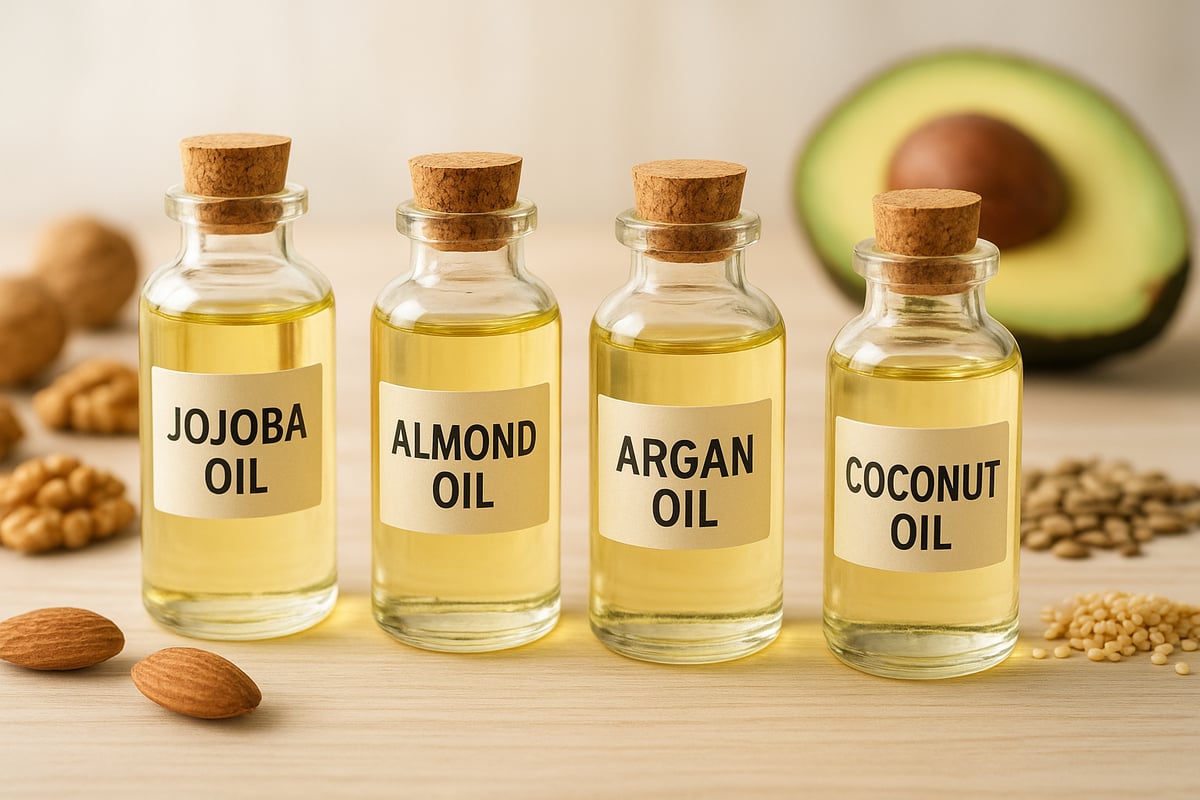
Carrier oils, also called base oils, are vegetable oils extracted from seeds, nuts, or pits. Examples include almond oil, jojoba oil, and avocado oil. The extraction process usually involves cold pressing, which preserves the active components. Sometimes refining is applied to neutralize scent or color.
Unlike essential oils, which are highly concentrated and volatile, carrier oils are milder and suitable for direct skin contact. They serve as the carrier for essential oils and other active ingredients. The popularity of natural carrier oils is growing rapidly, especially in Europe. Recent market reports show that demand for sustainable and plant-based ingredients is increasing by more than 8% annually.
For those interested in the current market offerings and availability, Wholesale carrier oil base oils purchase provides an overview of popular wholesale carrier oils.
Key Properties and Functions
Carrier oils are distinguished by their neutral scent and gentle effect. This makes them ideal as a base for blends, creams, and serums. They intensely hydrate and nourish the skin, supporting the restoration of the natural skin barrier.
An important feature is their ability to safely dilute active ingredients. This allows essential oils to be used without risk. Additionally, most carrier oils are rich in essential fatty acids, vitamins, and antioxidants. This makes them suitable for both skin and hair care. Due to their gentle nature, wholesale carrier oils are appropriate for all skin types, including sensitive skin.
Safety is paramount: carrier oils are generally non-irritating and can be applied directly to the skin. For manufacturers, it is crucial that these oils meet high-quality standards.
Applications in Cosmetics and Wellness
Carrier oils are widely used in the cosmetics and wellness industries. They form the base for massage oils, moisturizers, hair masks, and serums. In aromatherapy, they serve as carriers for essential oils, allowing safe application on the skin.
A good example is grapeseed oil, which is popular in facial care and massages due to its light texture. Carrier oils are also gaining ground in hair care, for instance as nourishing additions to leave-in conditioners.
The trend toward multifunctional products encourages the use of wholesale carrier oils across various segments. More brands are combining different oils to create unique blends that cater to the preferences of conscious consumers.
Overview of Popular Carrier Oils for Wholesale
Demand for wholesale carrier oils continues to grow, driven by the popularity of natural skin and hair care. Companies seek reliable bulk partners for high-quality carrier oils tailored to diverse applications and market trends.

Top 10 Most Requested Carrier Oils
Within the wholesale carrier oils market, ten oils clearly stand out. Each of these oils has unique properties and uses that meet the needs of cosmetic manufacturers, wellness companies, and food brands.
- Almond Oil – Gentle, nourishing, and universally applicable.
- Jojoba Oil – Closely resembles human sebum, ideal for skin balance.
- Argan Oil – Rich in antioxidants, popular in hair care.
- Avocado Oil – Deeply nourishing, perfect for dry skin.
- Grapeseed Oil – Light, fast-absorbing, widely used in massage.
- Castor Oil – Known for its strengthening effects.
- Coconut Oil – Versatile, solid at lower temperatures.
- Hemp Seed Oil – Contains omega fatty acids, popular in natural cosmetics.
- Macadamia Oil – Restores and protects mature skin.
- Sunflower Oil – Budget-friendly and versatile.
For a complete overview of all available wholesale carrier oils and their applications, please consult the Complete wholesale bulk list of oils. Here you will find up-to-date information on volumes, packaging, and applications.
Characteristics and Unique Benefits per Oil
Each oil in the wholesale carrier oils selection has its own profile. Below is a comparison table of the main characteristics:
| Oil | Texture | Fragrance | Shelf life | Fatty acid profile | Application |
|---|---|---|---|---|---|
| Almond | Light | Gentle | 12-18 mnd | Omega 9, Vit. E | Skin, baby products |
| Jojoba | Silky smooth | Neutral | 24 months | Wax esters, Vit. E | Facial oil |
| Argan | Rich | Nutty | 12-18 mnd | Omega 6/9, antioxidants | Hair serum |
| Avocado | Full | Light | 12 months | Omega 9, Vit. D, E | Dietary supplement |
| Grapeseed | Very light | Neutral | 12 months | Omega 6, polyphenols | Massage oil |
The choice of specific wholesale carrier oils strongly depends on the desired skin feel, scent, and shelf life. In the cosmetics sector, light oils like grapeseed are favored for fast-absorbing products, while rich oils such as avocado or argan are nourishing in night creams and hair masks. In wellness and food, shelf life and neutral taste play a larger role.
Statistics show that in the Netherlands and Belgium, almond oil, jojoba oil, and argan oil are the most imported for professional use. We also see a growing demand for multifunctional oils that can be used in various product categories. This increases flexibility for producers purchasing wholesale carrier oils.
Organic vs. Conventional Carrier Oils
When choosing wholesale carrier oils, the distinction between organic and conventional is becoming increasingly important. Organic oils are obtained from certified cultivation without the use of synthetic pesticides or fertilizers. This not only ensures a purer product but also aligns with the preferences of conscious consumers.
Organic certification, such as EU-BIO or Ecocert, emphasizes the traceability and sustainability of the oil. For B2B companies and retailers, this offers extra marketing value and assurance toward their customers. Additionally, organic wholesale carrier oils are often more popular in exports and among producers of natural cosmetics.
Conventional oils are generally more affordable and widely available but often lack the added value of a sustainable and transparent production process. The choice depends on your target audience, desired product positioning, and regulations within your sector.
Quality, Certification, and Safety: What Should You Watch For?
A careful selection of wholesale carrier oils is essential for successful and safe use in cosmetics, wellness, or food. Quality, certification, and safety form the foundation of every professional purchasing process. In this section, you will discover what to look for to meet the highest standards and regulations within the industry.

Quality Control and Analysis
Quality control is the first step when purchasing wholesale carrier oils. Each oil must undergo laboratory analysis, checking purity, fatty acid profile, and oxidation value. Only in this way can you be sure the product meets the requirements for professional applications.
Important documentation includes a Certificate of Analysis (COA), Material Safety Data Sheet (MSDS), and allergen lists. These documents are indispensable for cosmetic manufacturers who maintain strict quality standards. Always check whether your supplier can provide these.
For more information about quality control and relevant certifications, you can consult the page Quality and Certification of Oils. Here you will find everything about the requirements and processes applicable to wholesale carrier oils.
Certifications and Quality Marks
Certifications are a guarantee of reliability and market access. Popular labels include EU-BIO, Ecocert, COSMOS, Vegan, and Cruelty-Free. These labels demonstrate that wholesale carrier oils meet strict requirements regarding sustainability, origin, and production.
Traceability is crucial: through batch numbers and certificates, every batch of oil can be tracked back to the source. Transparency in the supply chain is becoming increasingly important, especially as demand for certified wholesale carrier oils rises annually. This not only provides your company with assurance but also strengthens your market position with conscientious buyers.
Safety and Legislation
Safety and legal compliance are essential when processing and offering wholesale carrier oils. In Europe, strict regulations apply, such as REACH and CPNP registration for cosmetic raw materials. Make sure the correct allergens are listed and that labeling meets the applicable standards.
It is advisable to work with suppliers who are fully transparent about their safety documentation. Practical tips include: store oils in tightly sealed, dark bottles and avoid exposure to high temperatures. This keeps the quality of wholesale carrier oils optimal and ensures compliance with all legal requirements.
Shelf Life and Storage
The shelf life of wholesale carrier oils is affected by light, temperature, and oxygen. Unrefined oils are often more sensitive to oxidation, while refined variants generally last longer. Always check the best before date and store oils in a cool, dry place away from direct sunlight.
Prefer airtight packaging and ensure structured inventory management. By monitoring these factors, you prevent quality loss and waste. This way, you get the most out of your wholesale carrier oils and guarantee consistent delivery quality.
Market Trends and Innovations Towards 2026
The wholesale carrier oils market is developing rapidly, driven by growing demand for natural and multifunctional ingredients. Statistics show that the global market grows annually by 6 to 8%, with Western Europe leading in innovation and volume. There is a clear shift towards niche oils, such as sacha inchi, cacay, and baobab, which offer new opportunities for brands looking to stand out. According to the Wholesale Vegetable Oils Guide 2026, it is essential for wholesalers in carrier oils to anticipate these trends by structurally broadening their assortment and flexibly responding to customer needs.
Market Growth and Development
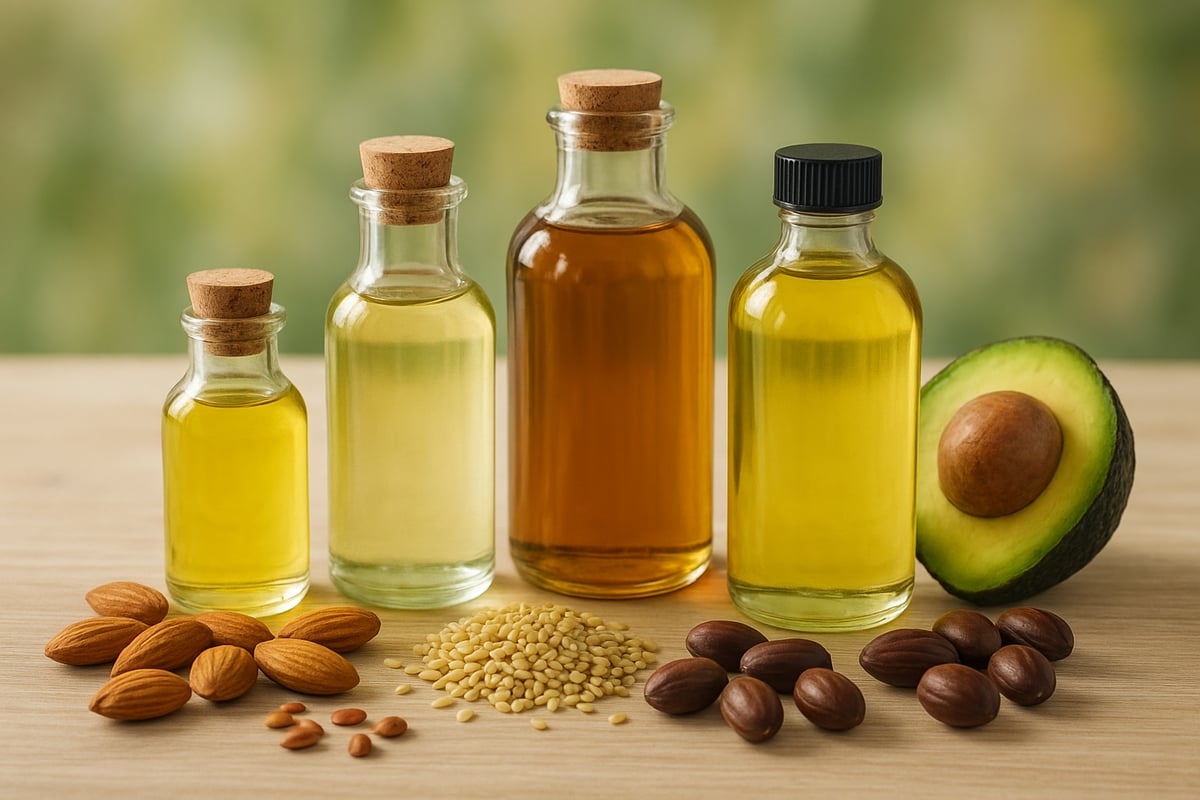
The demand for wholesale carrier oils is growing not only due to the popularity of natural care products but also because of expanding applications in food and wellness. Niche oils are gaining ground as consumers increasingly seek unique ingredients with specific benefits. Especially in Western Europe, imports of lesser-known oils, such as moringa and tamanu oil, are rising. For wholesalers, this means that monitoring market data and customer preferences is essential to maintain a competitive edge in wholesale carrier oils.
Sustainability and Transparency
Sustainability is a decisive factor in selecting wholesale carrier oils. Wholesalers increasingly choose certified, organic oils from fair trade. Circular packaging and CO2 reduction in logistics are becoming standard. There is a clear trend towards zero-waste and plastic-free packaging, which not only benefits the environment but also appeals to conscious consumers. Transparency about the origin and production methods of carrier oils is becoming increasingly important throughout the supply chain.
Technological Innovations
Innovation in extraction and production methods plays a major role in the wholesale carrier oils sector. New techniques, such as advanced cold pressing and CO2 extraction, ensure higher purity and better quality of the oils. Digitization of the supply chain makes it possible to trace every batch, increasing reliability and safety. Thanks to these technological advances, wholesalers can respond more quickly to changing demands in the wholesale carrier oils market.
Applications in Emerging Sectors
The use of wholesale carrier oils is expanding into fast-growing segments such as vegan cosmetics, natural supplements, and functional foods. Carrier oils form the base of CBD products and innovative blends for skin and hair, for example. In the food industry, cold-pressed oils are increasingly used in salads, smoothies, and supplements. Their broad applicability makes wholesale carrier oils attractive to a wide range of B2B customers.
Expected Developments Until 2026
Further growth of organic and multifunctional wholesale carrier oils is expected until 2026. Flexible purchasing and close collaboration with reliable wholesalers are essential to respond quickly. Wholesalers who invest in sustainable relationships, innovative products, and transparency will benefit from the increasing market share. The future of wholesale carrier oils lies in combining quality, sustainability, and versatility, enabling companies to meet the changing demands of the European market.
Step-by-Step Plan: Purchasing Carrier Oils at the Wholesale Level
Successfully purchasing wholesale carrier oils at the wholesale level requires a structured approach. This step-by-step plan gives you control over the entire process, from needs assessment to delivery. This methodical approach helps you avoid common mistakes and ensures quality and continuity.
Step 1: Determine Your Needs and Specifications
Start with a thorough inventory of which wholesale carrier oils you need. Consider the desired types, volumes, and applications. For example, if your company has a skincare line, you might choose almond oil, jojoba oil, or avocado oil. For food products, cold-pressed, food-grade oils are essential.
Create a product specification that outlines the requirements the carrier oils must meet. This includes, among other things, fatty acid profile, scent, color, and origin. This prevents disputes with suppliers and ensures consistency in your production process.
A clear needs analysis is the foundation for efficient and targeted purchasing of wholesale carrier oils.
Step 2: Select Reliable Suppliers
Your choice of supplier determines the quality, delivery reliability, and certification of your wholesale carrier oils. Select suppliers with recognized certifications such as BIO, COSMOS, or NATRUE. Transparency in the supply chain is crucial: always request origin information and traceable documentation.
Check references and customer reviews, preferably from companies in your own sector. Consider working with certified wholesalers who have experience in your industry. This way you minimize risks and benefit from specialized knowledge.
Pay attention to the range: a broad selection of carrier oils offers flexibility for future product development.
Step 3: Request Samples and Analyze Quality
Before ordering large volumes of wholesale carrier oils, always request samples. Conduct a sensory analysis of scent, color, and viscosity. Also, have a laboratory analysis performed on purity and fatty acid profile.
It is important to receive the correct documentation, such as COA, SDS, and allergen lists. This is essential for quality control and legal compliance. More information about this documentation can be found at Documentation COA, SDS and PDS.
A thorough quality check protects your final product from unexpected deviations.
Step 4: Negotiate Prices and Contract Terms
Negotiating prices and terms is an essential step when purchasing wholesale carrier oils. Ask about tiered pricing for larger volumes and pay attention to delivery and payment conditions. Discuss contractual agreements regarding delivery reliability and return policies.
Consider the advantage of bulk purchasing: often you receive discounts when buying multiple types or larger quantities. Make clear agreements about delivery times so your production process does not come to a halt.
A transparent contract prevents misunderstandings and supports a sustainable partnership with your supplier.
Step 5: Place Your Order and Track Delivery
After completing negotiations, place your order with the chosen supplier of wholesale carrier oils. Always verify the order confirmation and shipping information. Monitor the delivery status closely.
Ensure efficient inventory management, for example through just-in-time delivery. This prevents overstock and quality loss due to prolonged storage. Immediately check the delivered oils for quality and completeness upon receipt.
A structured completion of the purchasing process ensures continuity and quality in your production.
Applications and Formulations: Carrier Oils in Practice
Carrier oils are versatile and used across various sectors. Due to their unique properties, they form the backbone of countless products. In this section, we delve deeper into the specific applications and formulations for wholesale carrier oils within cosmetics, hair care, wellness, nutrition, and DIY products.
Carrier Oils in Cosmetics
Carrier oils form the foundation of modern skincare products. They are used in creams, serums, lotions, and massage oils because they hydrate and nourish the skin. Examples include jojoba oil as a base in a facial oil for sensitive skin and almond oil in body lotions.
The rise of DIY skincare in Europe has led to increased demand for high-quality wholesale carrier oils. Consumers seek pure ingredients for their own formulations. Quality and safety are paramount. It is therefore important to work according to ISO 22716 Good Manufacturing Practices, which are essential for the safe production of cosmetic raw materials. This limits risks and ensures quality.
Carrier Oils in Hair Care
In hair care, wholesale carrier oils have become indispensable. They serve as a nourishing base in hair masks, leave-in conditioners, and styling products. Argan oil is a favorite choice due to its high antioxidant content and shine-enhancing effect. Coconut oil is often used for deep hydration of dry hair.
Jojoba oil is also popular because it resembles the natural sebum of the scalp. This makes it suitable for caring for both hair and scalp. Due to their versatility and wide range of applications, wholesale carrier oils are a valuable raw material for hair products in both professional and consumer markets.
Wellness and Aromatherapy
In wellness and aromatherapy, wholesale carrier oils play a central role. They are used as carriers for essential oils in massages and aroma diffusers. For example, grapeseed oil, with its light texture, provides a pleasant massage experience without feeling greasy. Hemp seed oil and macadamia oil are gaining popularity in relaxing wellness treatments.
Thanks to their neutral scent and skin-friendliness, carrier oils are perfect for diluting potent essential oils. This makes them indispensable in spas, massage salons, and wellness centers offering natural treatments. Choosing certified wholesale carrier oils enhances the quality of service.
Food Industry
In the food industry, wholesale carrier oils are especially popular as cold-pressed oils for salads, smoothies, and supplements. Avocado oil, sunflower oil, and hemp seed oil are valued for their mild flavor and nourishing fatty acid profile. They provide essential fatty acids and antioxidants that contribute to a balanced diet.
It is crucial that these oils meet strict food safety standards and clear labeling requirements. Only food-grade wholesale carrier oils should be used in edible products. Checking purity, origin, and certification is necessary for producers and wholesalers active in the food sector.
DIY and Artisanal Products
More and more entrepreneurs and hobbyists use wholesale carrier oils to make artisanal products like soap, candles, and lip balms. Their versatility makes it possible to create unique blends tailored to the desired scent, texture, and effect. Popular combinations include shea butter with almond oil for a nourishing lip balm.
When developing natural cosmetics or wellness products, it is advisable to look for certifications such as the NATRUE certification for natural cosmetics. These guarantee the authenticity and quality of the wholesale carrier oils used. This allows small brands and makers to stand out in a growing market that increasingly values transparency and sustainability.
Supplier Selection & Practical Tips for Successful Purchasing
Choosing the right suppliers is crucial for success in the wholesale carrier oils market. By selecting wisely and avoiding pitfalls, you build a reliable supply chain and improve the quality of your end products.
Criteria for Choosing a Supplier
When purchasing wholesale carrier oils, it is essential to consider several key criteria. Look for suppliers specializing in natural oils who offer a broad, certified product range. Always verify that they can provide relevant certifications (such as EU-BIO, COSMOS) and documentation.
Pay attention to the level of service and support, such as offering samples, transparent communication, and fast delivery. Compare suppliers on:
- Specialization in Wholesale Carrier Oils
- Certification and Traceability
- Breadth and Depth of the Product Range
- Customer Service and Flexibility
A reliable supplier helps you minimize risks and supports your growth ambitions.
Practical Purchasing Tips
Efficient purchasing of wholesale carrier oils requires a structured approach. Start by checking minimum order quantities and volume discounts to benefit from economies of scale. Pay attention to the return policy and the availability of samples.
Advantages of European suppliers include short delivery times and lower shipping costs. Always establish clear agreements on delivery times, payment terms, and documentation. Keep in mind:
- Volume discounts for larger orders
- Clear delivery terms
- Flexible packaging choices
- Private label options
This way, you avoid unpleasant surprises and build a long-lasting partnership.
Prevent Common Purchasing Mistakes
In the wholesale carrier oils market, the same mistakes often recur. A common pitfall is working with non-certified suppliers. This poses risks to product safety and brand reputation.
Avoid bulk purchasing without first testing samples or requesting analyses. Insufficient quality control can lead to complaints or recalls. Keep these points in mind:
- Work exclusively with certified suppliers
- Always request quality analyses and documentation
- Test samples for scent, color, and consistency
- Regularly evaluate your supplier’s performance
With these precautions, you ensure the continuity of your wholesale carrier oils business.
Supplier Selection Trends through 2026
The selection of wholesale carrier oils suppliers is changing rapidly. Online B2B platforms and direct sourcing are gaining ground, increasing transparency and competition. There is a clear trend towards long-term partnerships, with open communication and joint innovation at the core.
Sustainability and traceability are becoming increasingly important, partly due to the growing demand for certified products. According to essential oils market trends 2024, experts expect these developments to strongly impact the wholesale carrier oils sector as well.
By investing now in reliable, future-proof suppliers, you position yourself optimally for growth towards 2026.
Now that you know everything about the selection, quality, and uses of carrier oils, it's time to take the next step for your business or brand. Whether you want to develop a new product line or improve existing formulas, reliable and organic oils really make the difference. At Oliemeesters, you can count on a wide range, transparent documentation, and fast delivery, so you are always assured of top quality. Ready to get started and benefit from fast delivery? Explore the extensive selection and Order now for fast delivery within 1-5 days.