

The demand for vegetable oils is growing rapidly worldwide. For every wholesale vegetable oil business, this trend offers unique opportunities to respond to changing needs in food, cosmetics, and industry.
This article provides the ultimate step-by-step plan for entrepreneurs and buyers who want to excel in 2026. From market trends and product selection to logistics, sustainability, and supplier choice, everything is covered.
Discover how successful wholesalers assemble their assortment, ensure quality, and seize new growth opportunities. With practical tips and inspiring examples, you can start innovating and growing right away.
Market trends and growth of vegetable oils in 2026
The market for wholesale vegetable oils is undergoing a rapid transformation. Worldwide and within Europe, demand increases significantly every year. Health-conscious consumers, vegan trends, and a growing focus on sustainability further drive this development. What will the market look like in 2026, where are the growth opportunities, and what challenges do wholesalers face? Below we dive deeper into the main trends and figures.
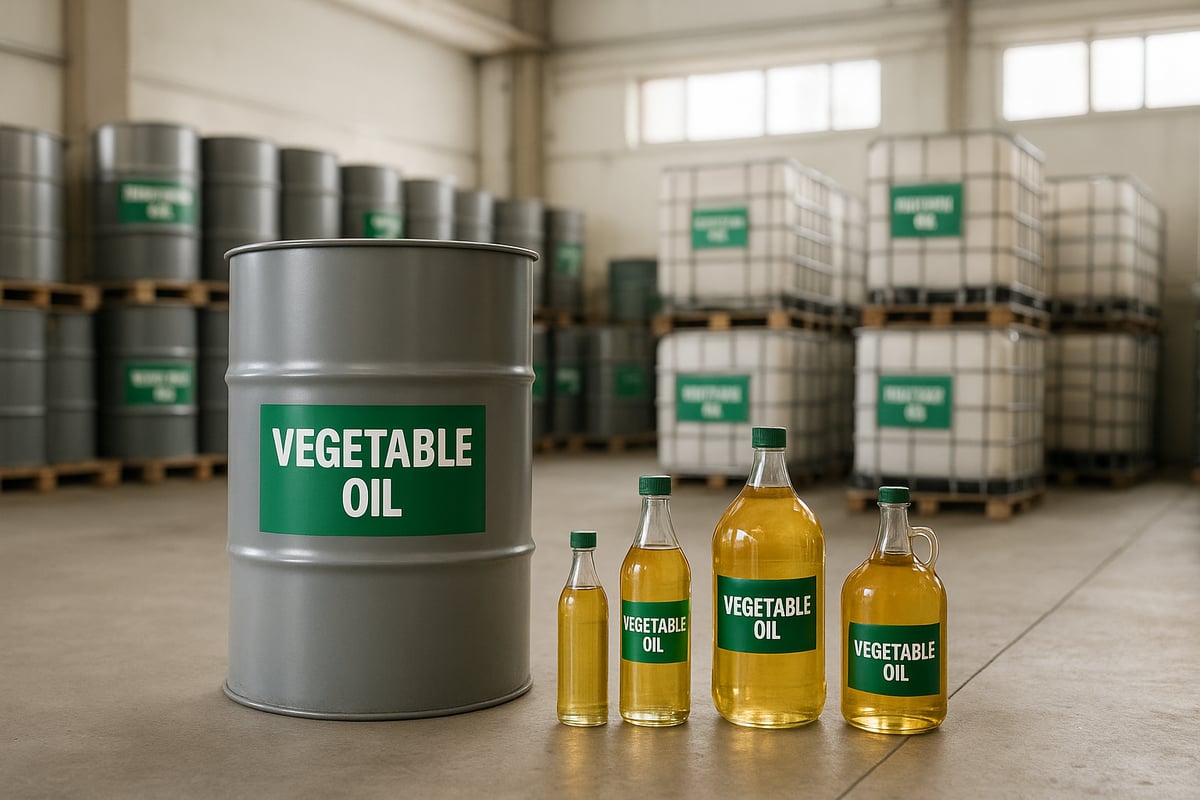
Global and European market developments
The global market for wholesale vegetable oils is growing strongly. In 2023, worldwide revenue exceeded 260 billion euros, with an annual growth of 5 to 7 percent. Especially Western Europe has strong demand for sustainable and organic oils, while Eastern Europe focuses more on price and volume.
Key market drivers are:
- The shift towards healthier food and plant-based alternatives.
- The popularity of veganism and clean label products.
- Stricter sustainability guidelines and transparency requirements.
New markets such as cosmetics, dietary supplements, and foodservice add extra dynamics. Export flows mainly come from countries like Spain, Italy, and Ukraine, while imports in the Netherlands, Germany, and France are rising sharply.
Sustainability is a decisive factor. According to a comparative study on the sustainability of vegetable oils, more and more buyers consciously choose oils with a lower ecological footprint and reliable certification. This influences not only purchasing but also the positioning and image of wholesalers in vegetable oils.
Main types of vegetable oils in wholesale
Within the wholesale trade of vegetable oils, five types dominate food applications. Below is an overview:
| Oil | Application | Feature |
|---|---|---|
| Sunflower | Baking, dressings | Mild, versatile |
| Rapeseed | Frying, margarine | Neutral, stable |
| Olive oil | Salads, cold use | Aromatic, healthy |
| Coconut oil | Baked goods, vegan baking | Solid, tropical |
| Avocado oil | Dips, skincare | Creamy, nutritious |
In addition to these basic oils, demand is growing for niche oils such as hemp seed oil, almond oil, and walnut oil. These oils find their way into premium food products, cosmetics, and even industrial applications. Organic, cold-pressed, and unrefined are growing categories, partly thanks to the focus on quality and authenticity.
For wholesale suppliers of vegetable oils, this means the range is becoming increasingly diverse. Catering to niche markets and offering certified, pure oils provides opportunities to attract new customer groups.
Statistics and forecasts for 2026
The outlook for wholesale suppliers of vegetable oils is positive. The European market is expected to exceed 80 billion euros in 2026, accounting for over 25 million tons in volume. Growth is mainly in organic, functional, and sustainable oils.
Challenges faced by wholesale suppliers of vegetable oils include:
- Price volatility due to fluctuations in harvests and geopolitical tensions.
- Availability of raw materials, especially for niche oils.
- Stricter regulations around food safety and labeling.
Innovation is essential. New extraction methods, such as cold pressing and CO2 extraction, make it possible to produce oils with higher nutrient content and unique blends. Functional oils, enriched with omega fatty acids or antioxidants, are gaining ground in both food and non-food segments.
For wholesale suppliers of vegetable oils, it is crucial to respond flexibly to these developments. By investing in knowledge, sustainable relationships, and innovative products, a wholesaler strengthens its market position towards 2026.
Quality, Certification, and Legislation
The quality and reliability of products are central to every wholesale supplier of vegetable oils. Not only consumers but also business customers expect transparency, safety, and compliance with the highest standards. In this section, we discuss how you as a wholesale supplier of vegetable oils can make a difference with quality, certification, and legal compliance.
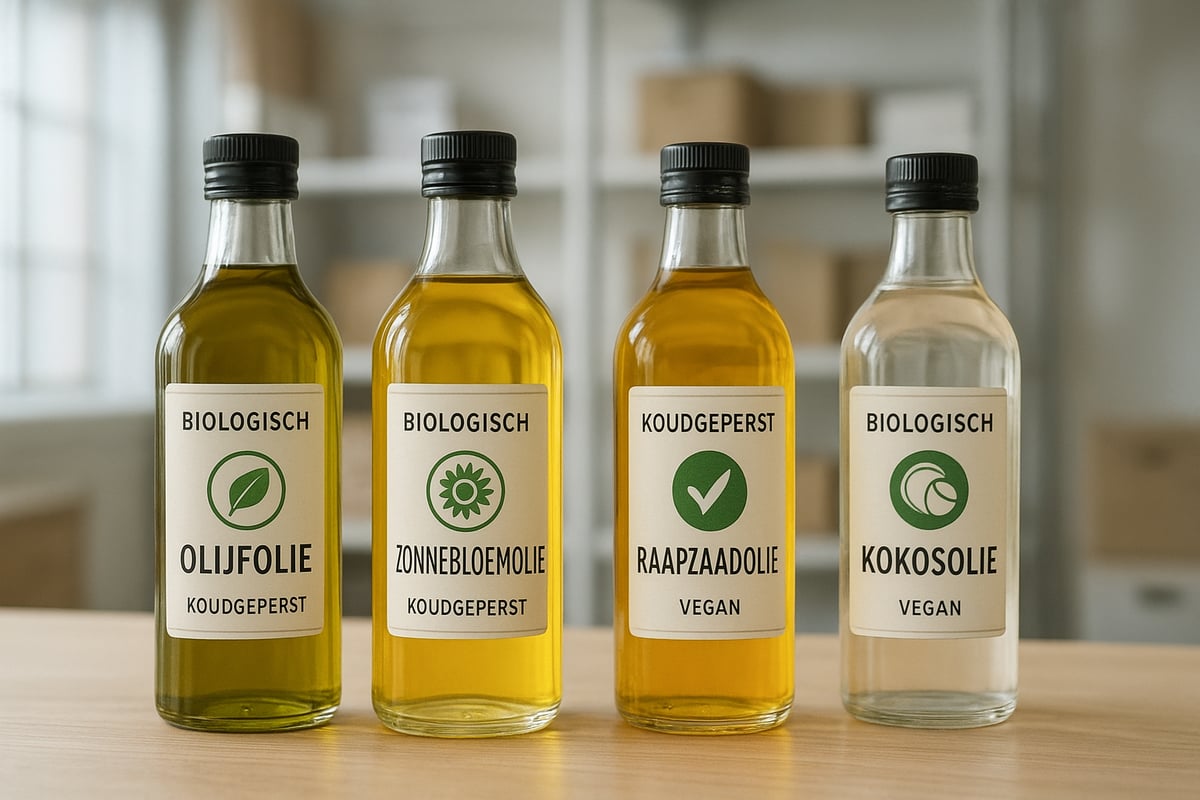
Quality Criteria for Vegetable Oils
For a wholesale supplier of vegetable oils, it is essential to work with oils that meet strict quality standards. The main quality criteria are:
- Purity: Oil must be free from contaminants and residues.
- Origin: Transparency about country of origin and cultivation method is required.
- Pressing Method: Cold-pressed oils retain more nutrients, while refined oils often have a longer shelf life.
The choice between cold-pressed and refined oil affects flavor, nutritional value, and application. Those who want to learn more about this important quality aspect can consult the article Difference between cold-pressed vs. refined oil.
In addition, transparent product information and full traceability are indispensable. Customers demand insight into the chain, from seed to bottle. Allergens, additives, and clean label requirements also play a major role. By anticipating this, you position your wholesale plant oils business as a reliable partner.
Certifications and labels
Certification is becoming increasingly important for wholesale plant oils. Customers want assurance that products are produced sustainably, safely, and ethically. Important labels include:
- EU Organic: Certified organic cultivation and production.
- Fairtrade: Fair trade conditions for farmers.
- RSPO: Sustainable palm oil.
- Vegan Label: No animal ingredients or animal testing.
The difference between certified and non-certified oils often shows in price and sales. Certified products are generally more expensive but offer better margins and access to new markets. Especially B2B and B2C customers are demanding stricter certification and transparency. By consciously choosing certified products, you strengthen the reputation of your wholesale plant oils business.
Laws and regulations in 2026
The laws and regulations around wholesale plant oils are constantly changing. In 2026, the focus will be on:
- New EU Directives: Stricter requirements for labeling, traceability, and sustainability.
- Food Safety: Tightening of HACCP and food safety standards.
- Sustainability: Obligations regarding reporting and CO2 reduction.
These rules have a direct impact on import and export. Non-compliance can lead to fines or trade restrictions. Practical tips to stay compliant:
- Actively monitor changes in EU regulations.
- Work with suppliers who can provide certifications and documentation.
- Invest in digital systems for traceability and reporting.
By structurally integrating regulations into your business operations, you ensure the quality and continuity of your wholesale plant oils.
Purchasing Strategy: The Right Suppliers and Product Selection
The success of a wholesale vegetable oil supplier depends on a well-thought-out purchasing strategy. The right choices lead to reliable deliveries, sharp margins, and a strong assortment. How do you approach this in this fast-growing market?
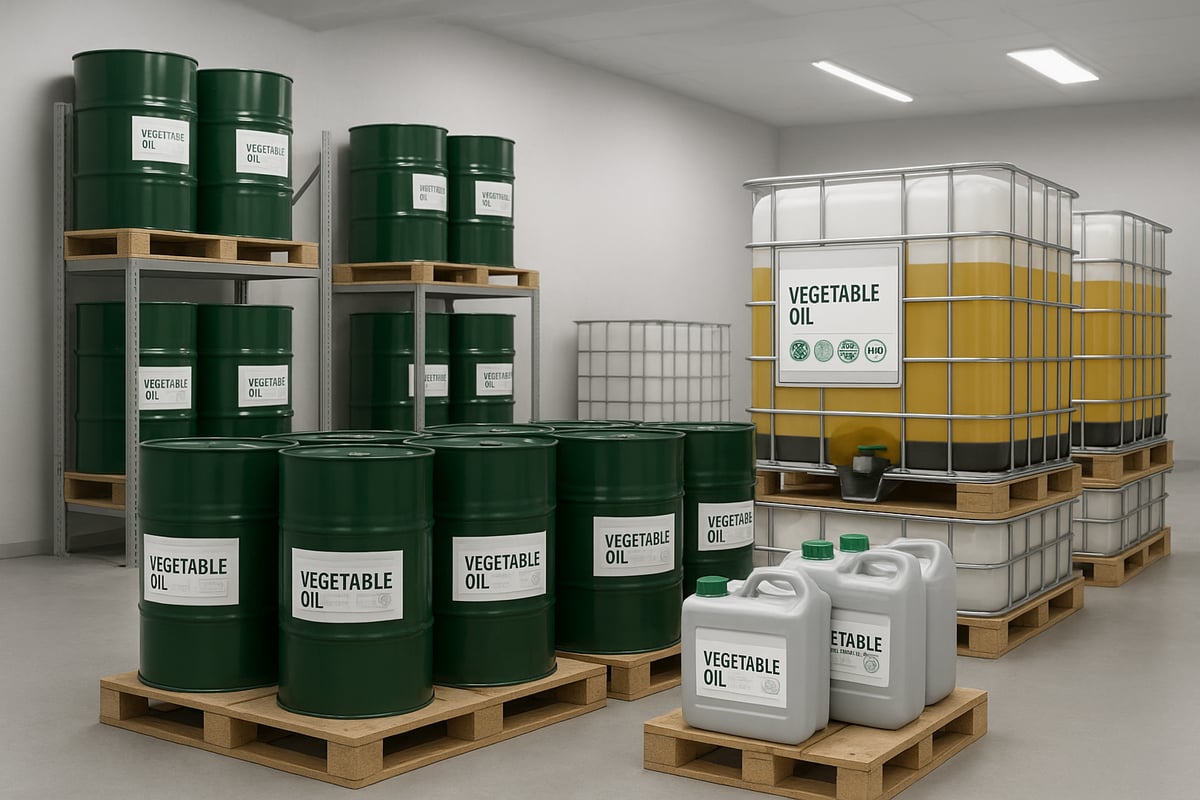
Supplier Selection Criteria
Those who choose a wholesale vegetable oil supplier know that selecting suppliers is crucial. Reliability and delivery certainty are indispensable for continuity. Look at suppliers’ reputations, their delivery track record, and flexibility during demand fluctuations.
Compare direct sourcing with intermediaries. Direct sourcing often offers more control and better price agreements. Still, a mix of suppliers can spread risks, which is essential in a rapidly changing market.
Watch pricing, but don’t lose sight of quality and service. Clear communication and transparency are basic requirements for any successful collaboration within wholesale vegetable oils.
Product Selection for Your Assortment
Assembling the right assortment is a strategic choice. Base oils like sunflower, rapeseed, and olive oil form the backbone of many wholesalers. However, niche oils such as hemp seed oil or almond oil are gaining popularity, especially in organic and clean label segments.
Trends like unrefined and functional oils offer extra opportunities. Pay attention to shelf life, batch sizes, and packaging. An overview of commonly used vegetable oils and their applications can be found on the page Carrier Oil Wholesale and Base Oils.
Think ahead: flexibility in your assortment allows the wholesale vegetable oil supplier to respond to new customer demands.
Oliemeesters: Sustainable and Organic Solutions for Wholesale
A striking example in the industry is Oliemeesters. This wholesale vegetable oil supplier focuses on organic, 100% pure, and cruelty-free oils. With private label options and a strong quality policy, the company offers transparency and fast delivery within the EU.
For buyers looking for certified bulk or private label oils, this type of specialized partner is indispensable. This is how you build long-term customer relationships and a sustainable image as a wholesale vegetable oil supplier.
Pricing Strategy and Margins
A smart pricing strategy makes the difference. Start with insight into the price structure: raw material costs, transport, packaging, and margin. Bulk purchasing can significantly reduce the purchase price of wholesale vegetable oils, but watch out for seasonal influences that can cause price fluctuations.
Compare prices from different suppliers and analyze market developments. This way, you determine a competitive selling price that optimizes both margin and sales volume. Transparency towards customers strengthens trust and loyalty.
Contracts and Delivery Terms
Good contracts are the backbone of every vegetable oil wholesale business. Negotiate delivery reliability and clear return policies. Set payment terms that fit your cash flow and risk profile.
Ensure flexibility in contracts so you can quickly adapt to market changes. Clear agreements on volumes, delivery times, and quality standards prevent disputes and guarantee stable cooperation.
Logistics and Storage of Vegetable Oils
Efficient logistics and storage are the foundation of a successful vegetable oil wholesale business. Without optimal processes, shortages, quality loss, or delays quickly arise. In this section, you will discover the main requirements and solutions for safely and efficiently storing and distributing vegetable oils.
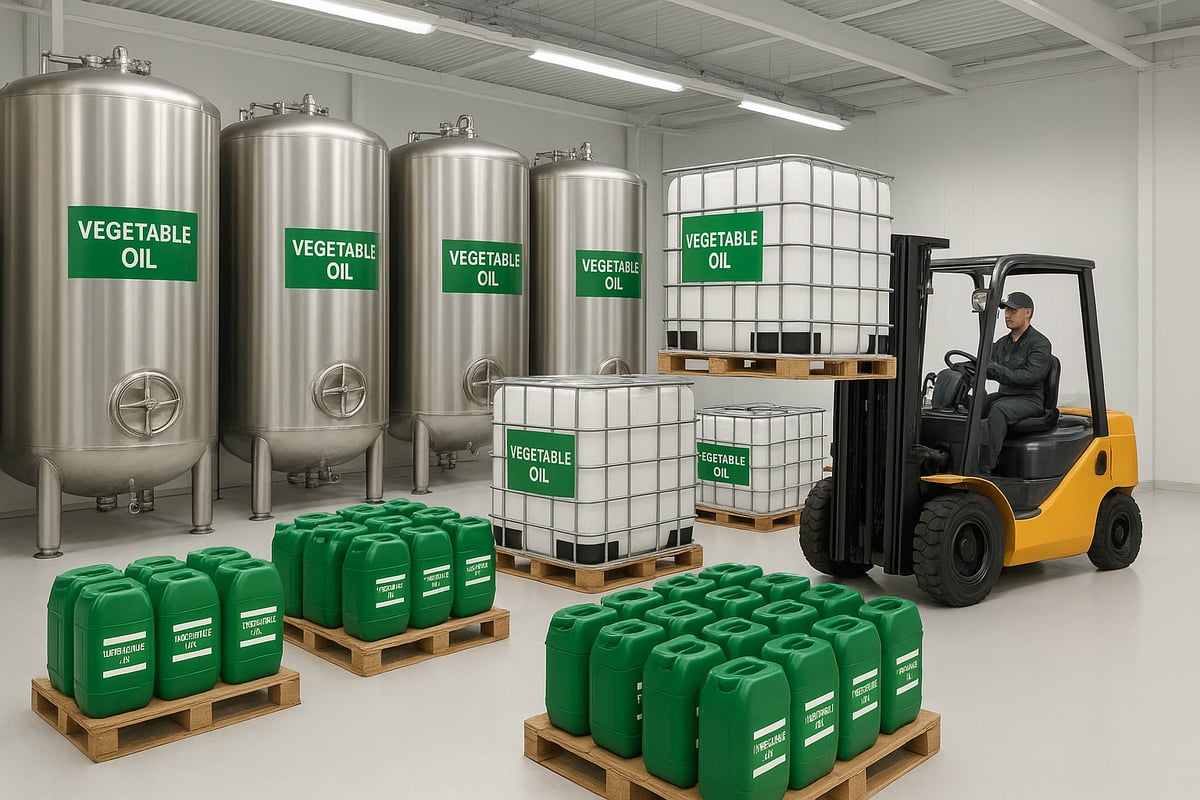
Storage and Transport Requirements
Temperature control is crucial when storing vegetable oils in wholesale. Oils usually need to be stored cool and dark to prevent oxidation and quality loss. Light- and airtight packaging protects the oil from spoilage.
In addition, strict requirements apply from HACCP and food safety standards. Organic oils require separate storage to prevent mixing with conventional products. Always pay attention to shelf life and regularly check storage conditions. A well-organized storage area limits risks and ensures the quality of the assortment within the vegetable oil wholesale trade.
Packaging Solutions for Wholesale Trade
The right packaging is essential in the wholesale trade of vegetable oils. Common formats include jerrycans, drums, and IBCs, depending on volume and customer needs. Whenever possible, choose recyclable or reusable packaging to promote sustainability.
Private label options and branding through labels offer additional differentiation. Ensure that packaging meets food safety requirements and is practical for storage and transport. By choosing wisely, you not only optimize logistics but also strengthen the image of the vegetable oil wholesale trade.
Distribution and International Trade
Fast and reliable distribution is essential for the wholesale trade of vegetable oils. Collaborate with specialized logistics partners for transport within and outside the EU. Pay attention to customs formalities, export documentation, and regulations to avoid delays.
Want to know how to efficiently purchase and distribute bulk oil? Check out practical tips in the article Buying Bulk Oil as a Wholesaler. Fast delivery, often within 1 to 5 working days within the EU, is a plus that helps you retain customers.
Inventory management and optimization
Good inventory management is a must for every wholesale plant-based oils business. Smart planning prevents shortages and waste. Use modern ERP systems for real-time insight into stock levels and automatic ordering.
Optimize batch sizes based on demand and shelf life. Regular checks and automation ensure a flexible and reliable logistics process. This keeps the wholesale plant-based oils business competitive and efficient in a rapidly changing market.
Sustainability and Innovation in Plant-Based Oils
Sustainability is no longer a luxury but a necessity in the wholesale plant-based oils industry. Innovation and responsibility together form the key to future-proof growth. How can you, as a wholesaler, respond to these developments? Below you will find the main trends and strategies.
Sustainable cultivation and production
Demand for sustainably produced oils is growing strongly within the wholesale plant-based oils sector. Sustainable farming practices, such as organic cultivation and fair trade, are essential to meet customer expectations. RSPO-certified palm oil and other certified varieties reduce the impact on nature and the environment.
Choosing suppliers who invest in minimizing environmental impact strengthens the image of your wholesale plant-based oils business. Transparency, collaboration, and actively following better production practices for plant-based oils help you take sustainable steps. This builds long-term customer relationships and a future-proof product range.
Innovations in extraction and processing
Technological advancements play a major role in the wholesale plant-based oils industry. New extraction methods, such as cold pressing and CO2 extraction, preserve nutrients and reduce the ecological footprint. Minimal processing techniques reduce the use of additives and increase the purity of the oil.
Increasingly, production by-products are being utilized in the circular economy. This not only offers environmental benefits but also cost savings for the wholesale plant-based oils sector. Innovation in processing makes it possible to offer unique products that respond to current market demand.
Trends: Functional Oils and Blends
The wholesale plant oils market is evolving towards functional oils and custom blends. Consumers increasingly seek oils with added health benefits, such as omega 3-6-9 fatty acids and antioxidants. Wholesalers smartly respond by developing blends tailored to specific uses, for example for baking, supplements, or skincare.
This trend offers opportunities to differentiate within wholesale plant oils. By collaborating with producers and experts, you can launch innovative products that respond to the growing demand for functional foods.
Transparency and Storytelling
Transparency is an essential part of a successful wholesale plant oils business. Customers want to know exactly where their products come from, which production methods were used, and how sustainable the supply chain is. Storytelling, for example through origin stories and QR codes on packaging, strengthens trust in your brand.
Sharing this information increases brand value and sets your wholesale plant oils business apart from the competition. Invest in clear communication and make sustainability a central part of your business strategy.
Practical Steps for a Successful Wholesale Business in 2026
A successful wholesale plant oils business in 2026 requires a strategic and forward-looking approach. Follow the steps below to maximize opportunities as an entrepreneur or buyer in this fast-growing sector.
Step 1: Market Analysis and Target Audience Definition
Start with a thorough market analysis. Research growth segments such as vegan, organic, and functional foods. Determine which customer groups are most relevant for your wholesale plant oils business. Consider foodservice, retail, industry, or cosmetics. Segment your target audience based on needs, volumes, and certification preferences. This way, you identify the biggest opportunities and can tailor your strategy accordingly.
Step 2: Assemble Assortment and Certification
Create a balanced assortment with both basic and niche oils. Organic, cold-pressed, and functional oils are popular choices. Ensure your assortment meets the latest certifications and clean label requirements. Read more about organic oils wholesale for practical tips on certification and sustainable sourcing. A certified range increases your appeal to both B2B and B2C customers.
Step 3: Supplier selection and contracts
Select suppliers carefully based on reliability, delivery security, and price. Direct sourcing often gives more control over quality and traceability. Negotiate clear contracts on volumes, prices, and delivery terms. Spread risks by involving multiple partners. This ensures the continuity of your wholesale vegetable oils and prevents dependence on a single source.
Step 4: Optimizing logistics and inventory management
Efficient logistics is crucial. Invest in climate-controlled storage so oils maintain their quality. Use modern ERP systems for inventory management and fast order processing. Optimize your distribution network for fast, reliable deliveries within the EU. Prevent waste by smart purchasing and consider shelf life and demand fluctuations.
Step 5: Marketing, branding, and sales channels
Build a strong brand around your wholesale vegetable oils. Present yourself as an expert with transparent communication and storytelling. Focus on private label and white label solutions. Use online platforms, B2B webshops, and trade fairs to reach new customers. Target your marketing on sustainability and innovation, as this directly appeals to modern buyers and consumers.
Step 6: Monitoring, innovation, and adjustment
Regularly evaluate your range, margins, and customer satisfaction. Keep up actively with trends and regulations. Continue investing in innovation, for example through new blends or more sustainable packaging. Consult the EU advice on sustainable vegetable oil strategy for current insights. By staying flexible and adjusting in time, you remain competitive as a wholesaler.
Future outlook and growth opportunities for wholesale vegetable oils
The future for wholesale vegetable oils looks promising. The market continues to develop rapidly, with opportunities for innovation, expansion, and collaboration. By smartly responding to trends and challenges, you position your wholesale vegetable oils ahead towards 2026.
New markets and applications
The demand for vegetable oils is growing strongly in various segments, such as vegan and organic food, dietary supplements, pharma, and personal care. Wholesale vegetable oils can capitalize on this growth by expanding the range with functional, cold-pressed, and certified oils.
Certification plays a key role in market entry, especially for vegan and organic products. Want to know more? Check out the options for plant-based and vegan certification. By focusing on new applications, such as omega-rich blends or oils for skincare, you increase your market share.
Digitization and automation
Digitalization is changing the way vegetable oil wholesalers do business. E-commerce is growing rapidly, B2B platforms are indispensable, and digital order processing speeds up processes. By providing real-time inventory and pricing information, you increase efficiency and customer satisfaction.
An automated ERP system helps streamline inventory, orders, and logistics. This makes it possible to respond faster to customer needs and gives you an edge over the competition.
Collaborations and scaling up
To grow as a vegetable oil wholesaler, collaboration offers many benefits. Think of co-creation with producers for unique blends, joint purchasing with other wholesalers, or even joint ventures.
Scaling up leads to better purchasing prices and stronger negotiating positions. By collaborating on innovation and development, you can enter new markets faster and spread risks.
Risks and challenges in 2026
The vegetable oil wholesale sector faces various challenges. Price volatility of raw materials can put pressure on margins. Geopolitical uncertainties and climate change affect availability and logistics.
Disruptions in the supply chain require flexibility and good risk diversification. It is crucial to identify alternative suppliers and maintain robust inventory management.
Practical tips for growth
- Invest in quality and certified products.
- Build sustainable relationships with suppliers and customers.
- Keep innovating with new blends and applications.
- Put sustainability and transparency at the heart of your strategy.
- Monitor market developments and adjust in time.
By applying these tips, you strengthen the position of your vegetable oil wholesale business and make the most of the growth opportunities in 2026.
Now that you have discovered how to make a difference as a wholesaler with quality, certification, and innovative purchasing strategies, it's time to take action yourself. Do you want to immediately benefit from reliable sourcing, pure organic oils, and fast delivery within the EU? At Oliemeesters, we are ready to support you with a wide range of high-quality vegetable oils, perfect for your growth ambitions in 2026. Discover our selection today and experience how easy it is to replenish your stock with top-quality products.
Order now fast delivery within 1-5 days