

Discover the power of rosemary essential oil, an ancient natural wonder that supports body and mind. This ultimate guide takes you into the world of rosemary essential oil and reveals the uses, benefits, and practical tips for this versatile product in 2026.
We cover the origin, active ingredients, proven effects, uses, trends, and essential safety tips. After reading, you will know exactly how to use rosemary essential oil responsibly and effectively for your well-being, daily care, and at home.
What is Rosemary Essential Oil?
Rosemary essential oil is one of the most versatile oils in the world of aromatherapy and natural care. This oil is known for its powerful effects, fresh scent, and wide range of uses. But what makes rosemary essential oil so special? In this section, you will discover everything about the origin, composition, and unique sensory properties of this oil.
Origin and production process
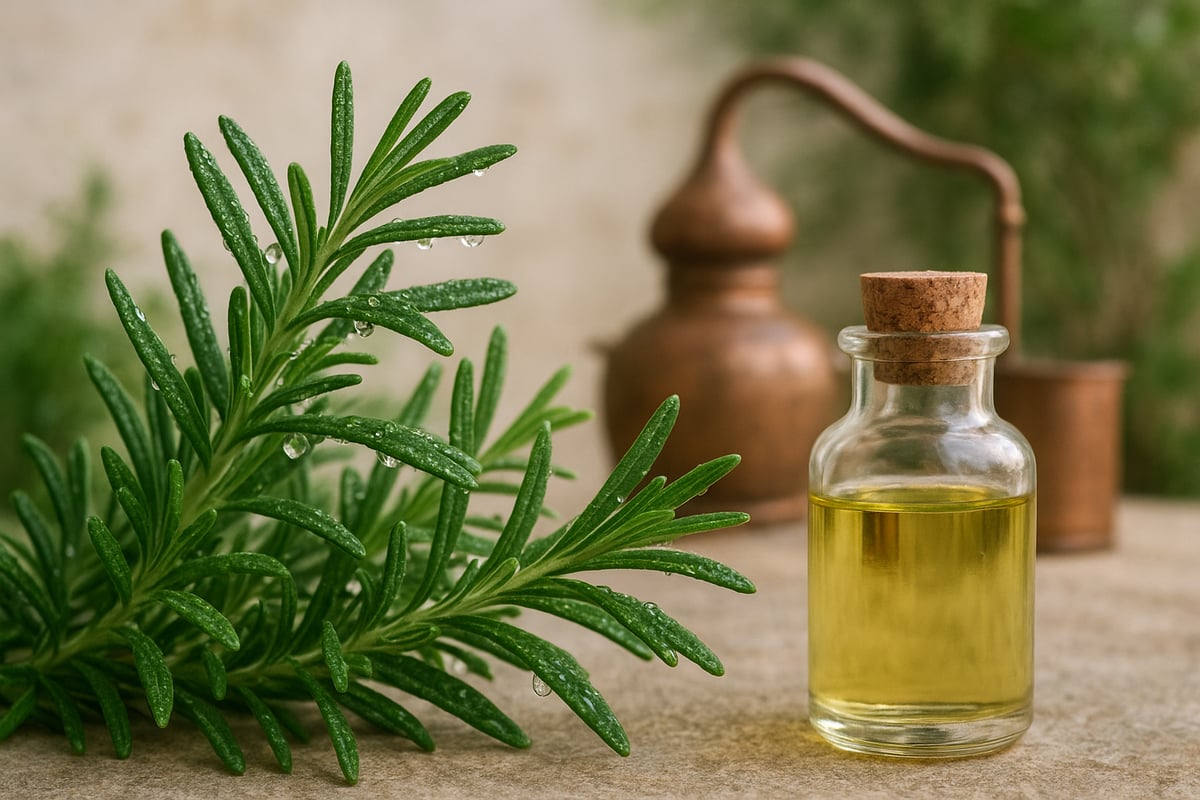
The botanical name of rosemary is Rosmarinus officinalis, now also known as Salvia rosmarinus. Originally, this plant grows in the Mediterranean region, but due to its popularity, it is cultivated worldwide. Rosemary essential oil is obtained through steam distillation of the flowering tops, which ensures a high concentration of active ingredients.
There are different chemotypes of rosemary essential oil, such as ct. cineole, ct. verbenone, and ct. camphor. Each chemotype has unique properties and uses. For example, ct. cineole is ideal for respiratory health, while ct. verbenone is mainly used in skincare. The harvest time and growing region significantly influence the scent profile and effects of the oil.
According to market reports from 2024, rosemary essential oil ranks among the top 10 most used essential oils worldwide. There is also a clear difference between organic and conventional varieties. Organic rosemary oil usually contains fewer residues and has a richer aroma. You can read more about quality aspects on the page Quality of Essential Oils. This helps you make an informed choice when purchasing.
Main active ingredients
The power of rosemary essential oil lies in its complex composition. The main active ingredients are cineole, camphor, borneol, alpha-pinene, and verbenone. Each of these components contributes to the oil's effects.
Cineole is known for its clarifying and respiratory-supporting properties. Camphor acts as a stimulant and warming agent, while borneol and alpha-pinene contribute to a fresh scent and antibacterial effects. Verbenone is especially valued in skincare for its regenerative properties. The precise ratio of these compounds determines the final application of rosemary essential oil in aromatherapy and cosmetics.
Scent and Sensory Properties
Rosemary essential oil has a notably fresh, herbal, and slightly camphoraceous scent. This fragrance is often described as uplifting and purifying, and it has a direct impact on the atmosphere at home or in the workplace.
The oil is widely used in perfumery because of its clear scent profile, but also in aromatherapy to promote focus, energy, and a positive mood. A few drops in a diffuser can quickly fill a room with a stimulating aroma. This makes rosemary essential oil a favorite ingredient for anyone who values natural scents and effective results.
Health Benefits of Rosemary Essential Oil
Rosemary essential oil has been known for centuries for its powerful effects on body and mind. Modern science increasingly confirms the benefits of this oil, both physically and mentally. In this overview, you will read about the effects that are now well supported, traditional uses, and what to watch out for when safely using rosemary essential oil.
Scientifically Supported Effects
More and more studies show that rosemary essential oil offers a wide range of health benefits. One of the most researched effects is the improvement of memory and concentration. The well-known study by Moss et al. (2012) shows that exposure to rosemary essential oil results in a measurable increase in mental alertness and memory performance. You can find more details about these findings in this scientific study on rosemary oil and cognitive performance.
Furthermore, rosemary essential oil supports the relief of headaches and mental fatigue. Many users report feeling clearer and less tense after using it in a diffuser or during a massage. Additionally, the oil has proven effective as an antimicrobial agent, particularly against bacteria like E. coli and Staphylococcus aureus (research 2023). This makes the oil popular as a natural alternative for air purification.
On a physical level, rosemary essential oil works as a muscle relaxant and pain reliever, which is especially helpful for muscle pain and rheumatic complaints. The oil is also used for respiratory issues, such as colds and coughs, as it facilitates breathing. Its antioxidant properties contribute to cell protection and help prevent premature aging.
Examples of clinical studies:
| Application | Result | Source |
|---|---|---|
| Cognitive performance | Improved memory and focus | Moss 2012 |
| Antimicrobial effect | Inhibition of E. coli, S. aureus | 2023 |
| Muscle relaxation | Reduced pain in rheumatic conditions | Clinical |
Traditional uses
Rosemary essential oil has been used in folk medicine for generations to treat various complaints. It is especially popular for hair loss and thinning hair. Many people use a diluted form as a scalp massage to stimulate hair growth and reduce dandruff.
Rosemary essential oil is also used for digestive complaints, such as bloating or slow digestion. A few drops are added to a massage oil and massaged into the abdominal area. In wound care, the oil helps keep small wounds clean and supports healing.
According to a recent survey, 68% of aromatherapists recommend rosemary essential oil to improve mental alertness. Users report feeling more energetic and sharper after aromatherapeutic use. The broad range of applications explains why this oil is among the most popular essential oils.
- Hair loss: scalp massage, hair masks
- Digestion: abdominal massage, bath oil
- Wound care: diluted oil on small wounds
- Mental alertness: diffuser, inhalation
These traditional uses align well with modern insights about rosemary essential oil.
Possible side effects and contraindications
Although rosemary essential oil offers many benefits, there are also precautions. Hypersensitivity reactions mainly occur with high doses or direct skin contact. Therefore, it is important to always dilute the oil and perform a patch test before use.
The oil is not recommended for pregnant women, people with epilepsy, and young children under 6 years old due to its strong effect on the nervous system. It can also interact with certain medications, such as blood thinners. Always consult a doctor for advice if in doubt.
If you want to learn more about possible allergens or the safe use of essential oils, consult a reliable allergen list. This way, you can use rosemary essential oil responsibly and effectively.
Uses of Rosemary Essential Oil in 2026
Rosemary essential oil remains one of the most versatile natural oils for daily use in 2026. Thanks to its unique composition and powerful scent, this oil is widely used in aromatherapy, skincare, haircare, household routines, and even in the kitchen. Discover below how rosemary essential oil is safely and effectively applied in these various areas.
Aromatherapy & Diffusers
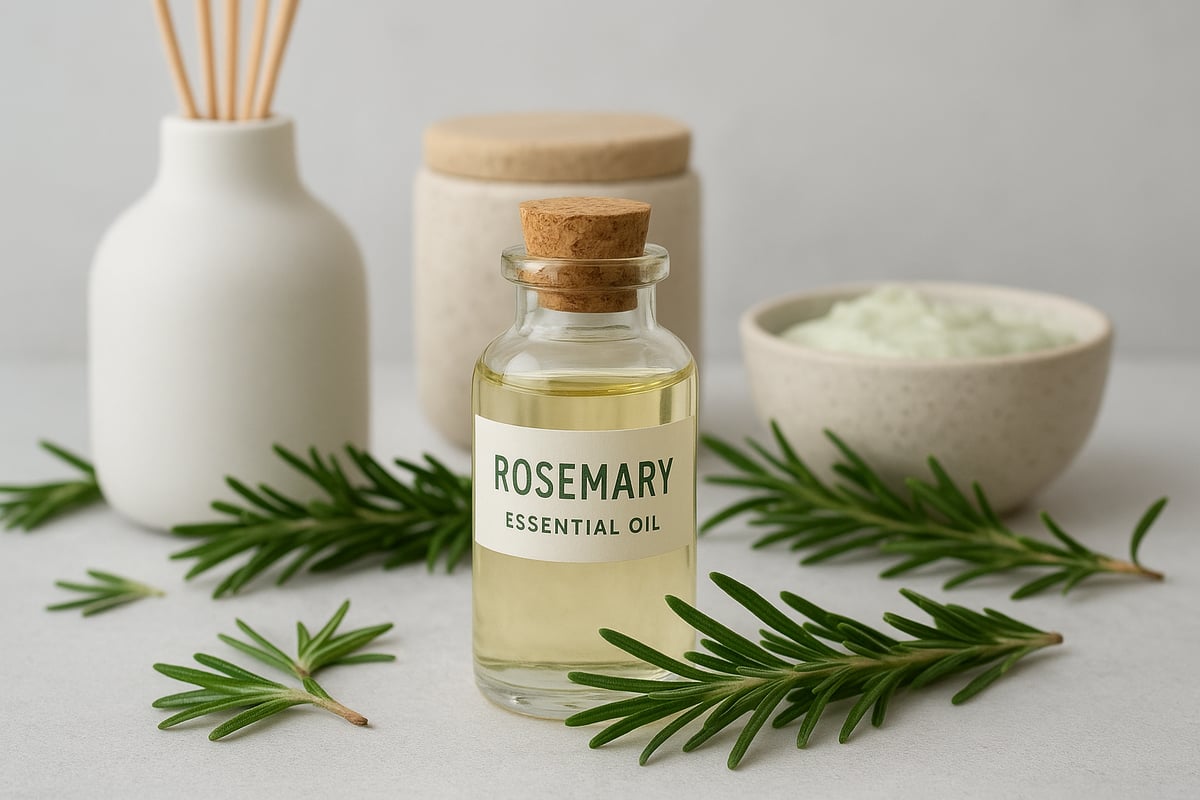
Rosemary essential oil is a favorite in aromatherapy due to its uplifting and clear scent profile. For diffusers, 4 to 6 drops of rosemary essential oil per 100 ml of water are generally recommended. This dosage supports focus, improves concentration, and purifies the air.
Combinations with oils like lavender or lemon create a synergistic effect. For example, a blend of rosemary essential oil with lavender is calming, while the combination with lemon promotes mental alertness and a fresh atmosphere.
Popular diffuser recipes in 2026 include:
- 3 drops of rosemary essential oil, 2 drops of lemon, 1 drop of peppermint (focus blend)
- 2 drops of rosemary essential oil, 3 drops of lavender, 1 drop of orange (relaxation)
- 4 drops of rosemary essential oil, 2 drops of eucalyptus (air purification)
These blends create a stimulating environment, ideal for work or study spaces. This makes rosemary essential oil an essential element in every aromatherapy collection.
Skincare & Cosmetics
Rosemary essential oil is frequently added to skincare products because of its cleansing and antioxidant properties. When used in massage oil or facial care, dilution is essential. For example, mix 2 drops of rosemary essential oil with 10 ml of jojoba or almond oil for a mild but effective treatment for acne and oily skin.
For anti-aging, rosemary essential oil is increasingly combined with other active ingredients such as hyaluronic acid or bakuchiol. Always watch for possible allergens, especially with sensitive skin. If in doubt, consult the Essential Oil Allergen List for current information.
DIY hair serum recipe for dandruff and hair loss:
10 ml of argan oil
3 drops of rosemary essential oil
2 drops of tea tree oil
Mix well and massage a few drops into the scalp.
Statistically, 54% of natural cosmetics in 2026 contain rosemary essential oil, mainly due to its versatility and effectiveness.
Hair care
Rosemary essential oil is known for stimulating hair growth and supporting a healthy scalp. Scientific studies show that regular use of rosemary essential oil helps reduce hair loss and improve hair density.
Application is simple: add 3 to 5 drops of rosemary essential oil to your usual shampoo or conditioner. For a more intensive effect, you can make a hair mask with a neutral base oil and rosemary essential oil and leave it on for 15 minutes.
Results from a 6-week hair growth study show that participants using rosemary essential oil experienced noticeable improvement in hair growth and scalp health. Regular use makes hair fuller, stronger, and healthier.
Household & Cleaning
Rosemary essential oil is also a great help in household cleaning. Thanks to its natural antibacterial properties, it is often used as a disinfectant for the kitchen and bathroom. Add 10 drops of rosemary essential oil to 500 ml of water with a splash of vinegar for an effective all-purpose cleaner.
The fresh, herbal scent neutralizes unpleasant odors and creates a pleasant atmosphere in the home. Rosemary essential oil can also be added to laundry detergent for an extra fresh, hygienic wash.
DIY all-purpose cleaner with rosemary essential oil and lemon oil:
- 500 ml water
- 50 ml vinegar
- 10 drops rosemary essential oil
- 10 drops lemon oil
Mix well and use in a spray bottle for cleaning surfaces.
Culinary and food-related applications
Rosemary essential oil can be used as a flavoring agent if it is food grade certified. Always use minimal amounts: 1 drop of rosemary essential oil per 100 ml of olive oil or vinaigrette is enough to add a subtle, aromatic flavor.
In the kitchen, rosemary essential oil is popular in dressings, marinades, and even when baking bread. It enhances the herbal notes and gives dishes a unique depth. Note: rosemary essential oil should never be used undiluted or in large amounts due to the high concentration of active compounds.
An example: add a drop of rosemary essential oil to a bottle of olive oil for a Mediterranean flavor experience with salads or grilled vegetables.
Using Rosemary Essential Oil: Step-by-Step Guide
Effective and safe use of rosemary essential oil starts with a thoughtful approach. In this step-by-step guide, you’ll discover what to look for, how to dose responsibly, and how to maximize the benefits of this versatile oil.

Step 1: Quality selection and purchase
The foundation for the safe use of rosemary essential oil is quality. Always choose 100% pure, organic oil. Pay attention to the label: the botanical name (Rosmarinus officinalis or Salvia rosmarinus) and the chemotype must be clearly stated. Check if the product is certified with labels such as ECOCERT or SKAL.
A reliable supplier provides transparency about origin, batch number, and expiration date. The average price for high-quality organic rosemary essential oil ranges between €20 and €35 per 10 ml. Compare different providers and pay attention to user reviews. If you want to explore the full range, check out the full assortment of essential oils for an overview of all options.
Pay special attention to the difference between food grade and cosmetic use. Only food grade rosemary essential oil is suitable for culinary use.
Step 2: Dilution and dosing
Rosemary essential oil is potent and should always be diluted. For skin applications, a dilution of 1 to 2% is recommended. That means: 1 to 2 drops of rosemary essential oil per 5 ml carrier oil, such as jojoba, almond, or grape seed oil.
For hair care, a lower dosage suffices, namely 0.5 to 1%. Preferably use a pipette or dropper for accurate dosing. Always add the rosemary essential oil to the carrier oil just before use to preserve the active ingredients optimally.
A table for clarification:
| Application | Dilution percentage | Number of drops per 10 ml carrier oil |
|---|---|---|
| Skin care | 1-2% | 2-4 |
| Hair care | 0,5-1% | 1-2 |
Step 3: Application as desired
There are many ways to use rosemary essential oil. For inhalation, add 3 to 5 drops to a diffuser or steam bath. This supports the respiratory system and promotes mental clarity. For skin application, mix the oil with a carrier oil and massage it into the desired area, for example, for muscle pain or on the scalp.
Rosemary essential oil is also popular in the household. Add a few drops to your laundry detergent or make a natural cleaning spray by mixing with water and vinegar. Always be mindful of the oil’s strength: never apply it undiluted to the skin.
Step 4: Safety and storage
Safety comes first when using rosemary essential oil. Always keep the bottle out of reach of children and pets. Choose a dark, cool place to preserve quality and shelf life. Close the bottle tightly after each use.
In case of accidental contact with the eyes: rinse immediately with plenty of water and consult a doctor if necessary. In case of overdose or ingestion by children, contact a medical professional immediately. Note: rosemary essential oil is not suitable for pregnant women, people with epilepsy, and young children.
Step 5: Evaluation and adjustment of use
Evaluate the effect of rosemary essential oil after one to two weeks. Keep a simple log of your experiences, such as changes in skin, hair, or mental clarity. If you experience side effects like skin irritation or headache, stop use immediately and consult a doctor.
Adjust the dosage or frequency based on your observations. This way, you develop a personal usage profile and make the most of all the benefits rosemary essential oil has to offer.
Trends & Innovations in Rosemary Essential Oil 2026
The world of rosemary essential oil is evolving rapidly. New applications, blends, and technologies are changing how consumers and professionals use this oil. In this section, you’ll discover which trends in 2026 make a difference in quality, effectiveness, and sustainability.
Emergence of New Chemotypes and Blends
In 2026, there is a clear rise of new chemotypes of rosemary essential oil, such as ct. verbenone. This variant is especially popular in skincare due to its gentle effect and cell-renewing properties. More innovative blends are also being developed that combine rosemary essential oil with adaptogenic oils. This results in powerful formulas for stress management and mental balance.
A good example is the introduction of anti-aging serums where rosemary essential oil works together with bakuchiol. Such combinations offer synergy for skin rejuvenation and protection. Want to read experiences with these new blends? Check out the Reviews and Experiences of Oil Masters to see how users appreciate these innovations.
Sustainability and Organic Certification
In 2026, consumers are more aware than ever of the impact of their choices. The demand for organic and fairtrade rosemary essential oil is growing rapidly. Producers are investing in traceable supply chains and transparent certification, such as ECOCERT and SKAL, to build trust.
Recent research shows that 73 percent of users specifically choose certified organic rosemary essential oil. This trend promotes sustainable farming methods and fair trade. Choosing organic oil means not only a pure product but also contributing to a better environment.
Technological Applications
Technological advances are driving surprising innovations in rosemary essential oil. Micro-encapsulation is increasingly used, allowing active ingredients to be gradually released in cosmetics and personal care products. This enhances effectiveness and extends the oil’s action.
In addition, smart diffusers with app integration are popular. These allow you to personalize rosemary essential oil according to your mood or needs. Think of automatic dosing, schedules, and combinations with other oils for an optimal aromatherapy effect.
Scientific Developments
Scientific research on rosemary essential oil continues. New studies focus on neuroprotective effects in conditions such as Alzheimer’s and ADHD. Preliminary results suggest that rosemary essential oil may have a positive impact on cognitive functions and brain health.
Innovations are also taking place in extraction techniques. Advanced methods ensure higher purity and a richer composition of active compounds. This increases the therapeutic value of rosemary essential oil and allows applications to be more specifically tailored to individual needs.
Common Mistakes & Essential Tips for Safe Use
Safe use of rosemary essential oil requires awareness of common misconceptions, essential precautions, and practical tips. Below is an overview of the main pitfalls, advice, and practical experiences to get the most out of rosemary essential oil without risks.
Common misconceptions
There are persistent misconceptions about rosemary essential oil. One of the most common mistakes is confusing essential oil with hydrosol. Hydrosol is much milder and works differently.
Additionally, some users believe rosemary essential oil can be applied pure on the skin. However, this can cause skin irritation or sensitivity. The recommended dosage is also often exceeded, increasing the risk of side effects.
Many people don’t realize that the effectiveness and safety depend heavily on the quality and chemotype of the oil. Always check the label and origin.
Essential safety tips
Dilution is crucial for the safe use of rosemary essential oil, especially for children or sensitive skin. Always use a carrier oil such as jojoba or almond and perform a patch test before applying the oil to larger skin areas.
Internal use of rosemary essential oil is not recommended unless the oil is food grade and you are guided by a professional. Always test on a small patch of skin to prevent allergic reactions.
Note that rosemary essential oil is not suitable for pregnant women, people with epilepsy, and young children. Always consult an expert or doctor if in doubt.
Practical tips for daily use
Rosemary essential oil offers numerous practical uses in daily life. Combine a few drops with citrus oils for a fresh scent in your home or add it to bathwater for a relaxing experience.
Use rosemary essential oil as a natural focus booster during work or study by adding a few drops to the diffuser. For a quick room refresher, you can make a spray with water and rosemary essential oil.
Always follow the recommended dosage and choose a reliable, organic oil of high quality.
Examples from practice
In practice, rosemary essential oil proves particularly effective for tension headaches. Users report that applying a diluted oil to the temples and neck provides relief.
According to a user survey, 42% of people notice an improvement in mental clarity within two weeks of regular use of rosemary essential oil. These experiences highlight the importance of correct use and dosage.
Practical examples show that consistency and safety lead to optimal results.
When to seek professional help
In case of allergic reactions, persistent complaints, or doubts about combining rosemary essential oil with medication, it is advisable to consult a doctor or expert immediately.
Professional advice is also recommended when used by vulnerable groups or if you have questions about the correct application. This ensures safety and maximum effect.
FAQ about Rosemary Essential Oil
Rosemary essential oil raises many questions among users, especially about safety, uses, and quality. Below you will find clear answers to the most frequently asked questions so you can use rosemary essential oil responsibly and effectively.
Is rosemary essential oil safe for children?
Rosemary essential oil is not recommended for children under 6 years old due to its strong effects. For older children, always dilute heavily and preferably use only after consulting an expert. When in doubt, it is wise to consult a doctor or aromatherapist.
Can I use rosemary essential oil during pregnancy?
Use of rosemary essential oil during pregnancy is not recommended, especially in the first trimester. The oil can affect hormone balance and stimulate contractions. Always consult a doctor before using essential oils during pregnancy.
How long does rosemary essential oil stay good?
When stored properly, rosemary essential oil remains good for an average of 2 to 3 years. Keep the bottle in a cool, dark place and make sure the cap is tightly closed. Always check the expiration date and watch for changes in scent or cloudiness.
What is the difference between rosemary ct. cineol and ct. verbenone?
Chemotypes indicate which active substances dominate. Rosemary ct. cineol mainly works on the respiratory system and concentration, while ct. verbenone is popular in skincare due to its mild, regenerating properties. Choose the chemotype that fits your goal.
How do I recognize 100% pure rosemary essential oil?
Pay attention to the Latin name (Rosmarinus officinalis or Salvia rosmarinus), the batch number, and certifications like ECOCERT or SKAL. Preferably buy from a reliable supplier. More information about certifications can be found on the SKAL website.
Can I consume rosemary essential oil?
Internal use of rosemary essential oil is only responsible if the oil is food-grade certified and under professional supervision. Never use essential oil in food without expert advice.
Which oils combine well with rosemary essential oil?
Rosemary essential oil blends well with citrus oils like lemon and orange, as well as lavender, eucalyptus, and peppermint. These combinations enhance each other in scent and effect, for example, for focus or relaxation.
What to do in case of skin irritation?
Stop using rosemary essential oil immediately if you experience redness, itching, or rash. Rinse the skin with a vegetable oil, not water. Consult a doctor if symptoms persist or worsen.
How many drops can I use per day at most?
For adults: a maximum of 3 to 5 drops of rosemary essential oil per day, always diluted. Use less for children and the elderly. Follow the recommended dosages on the label.
Is rosemary essential oil suitable for pets?
Be careful when using rosemary essential oil around pets. Some animals, like cats, can react sensitively. Use only in consultation with a veterinarian and never undiluted on the skin or fur.
These answers provide a solid foundation for the safe and responsible use of rosemary essential oil. Do you have specific questions? Always consult an expert for personal advice.
Now that you know everything about the power, uses, and safety of rosemary essential oil, it's time to take your experience to the next level. Whether you're a professional looking for high-quality ingredients for your products or just want to start with pure, organic oil for your own well-being, at Oliemeesters you'll definitely find the quality you're looking for. No need to wait weeks: order today and receive your oils quickly at home. Discover it for yourself and Order now fast delivery within 1-5 days for a conscious and effective start with rosemary oil.