

Discover the power of rosemary oil, the natural solution that should not be missing from your daily routine in 2026. More and more people are choosing natural alternatives to support their health and well-being.
In this article, you will find an in-depth guide on rosemary oil. You will read about its origin, production process, scientific insights, and proven benefits of this versatile oil.
Curious about how to use rosemary oil safely and effectively? We cover practical applications, safety tips, and advice for choosing the best oil.
After reading, you will know exactly how to use rosemary oil optimally for health, well-being, and more. Start discovering the benefits for your daily life today.
What is Rosemary Oil?
Rosemary oil is a powerful, natural oil that is gaining popularity worldwide. This oil is valued for its versatility, pure composition, and wide applications in health, cosmetics, and aromatherapy. But what makes rosemary oil so special? In this section, we dive deep into the origin, active ingredients, different types, and sustainability of this unique oil.
Origin and Production Process
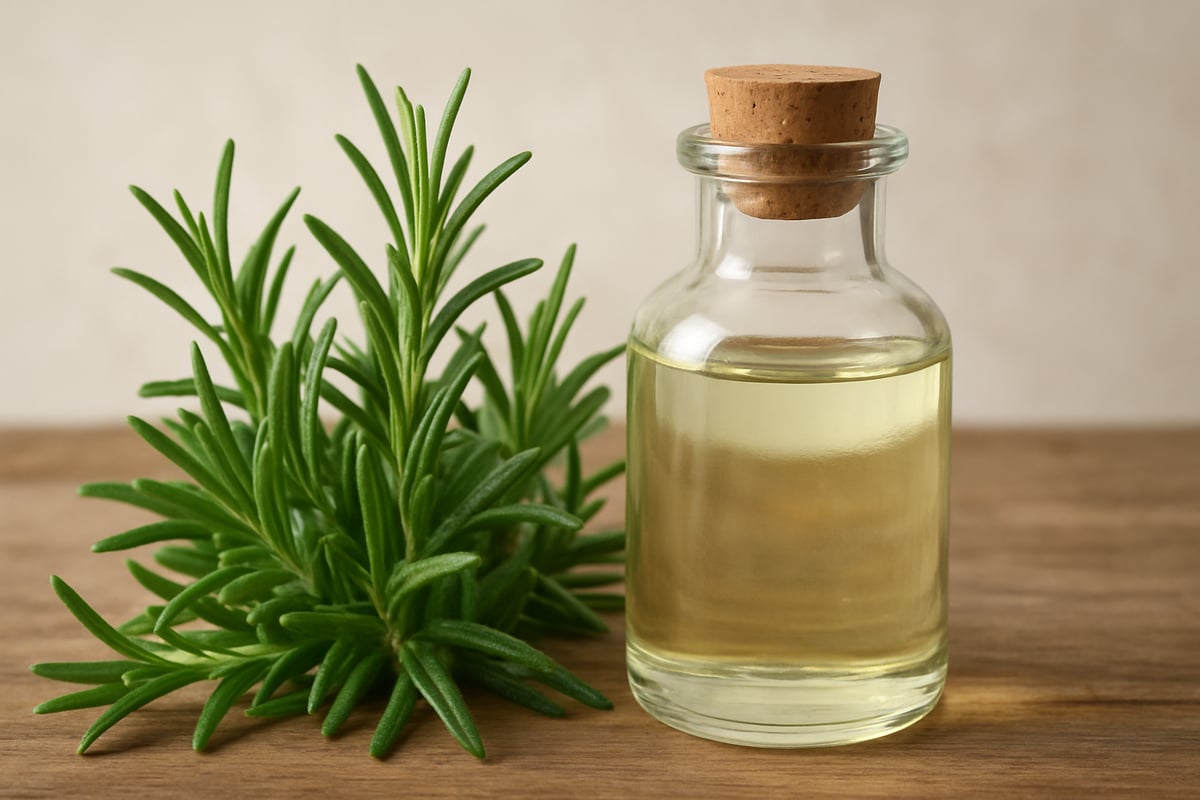
Rosemary (Rosmarinus officinalis) naturally grows in the Mediterranean region, where the herb has been cultivated for centuries. The production of rosemary oil starts with harvesting the young branches and leaves. The oil is mainly extracted through steam distillation, resulting in a concentrated essential oil. Sometimes cold pressing is also used, especially for carrier oil variants.
It is important to distinguish between rosemary essential oil and carrier oil: the first is intensely fragrant and potent, the second milder and suitable for dilution. Both organic and conventional cultivation exist, but organic production is gaining ground. Certified producers pay extra attention to the purity, color, and scent of the oil. According to an industry study, the global market for essential oils is growing strongly each year. For more information on organic production and uses, see Organic Rosemary Essential Oil.
Main Active Ingredients
The special effects of rosemary oil are due to compounds such as cineole, camphor, borneol, and alpha-pinene. Each of these components contributes to the unique scent and effect of the oil. Cineole is known for its positive impact on the respiratory system, while camphor has a relaxing effect on muscles. Borneol and alpha-pinene have stimulating and refreshing characteristics.
The composition of rosemary oil varies by type and origin. Quality control is essential to guarantee the correct concentrations of active substances. A comparison with other essential oils shows that rosemary oil stands out due to its high content of cineole and camphor. This explains its broad therapeutic use and popularity in modern aromatherapy.
Different Types of Rosemary Oil
Rosemary oil is available in standard essential oil form and in various chemotypes, such as cineole, camphor, and verbenone. Each chemotype has its own profile and application area. For example, rosemary oil high in cineole is popular in diffusers and air purification, while camphor-rich oil is often used for muscle massage. Price and quality vary per variant, depending on the production process and purity.
On the label of a bottle of rosemary oil, you will find information about the chemotype, origin, and any certifications. In 2026, we see a trend toward transparency and conscious choices: consumers more often select specific chemotypes for aromatherapy or cosmetics. It is important to choose the right variant for your personal use to fully benefit from its unique properties.
Sustainability and Ethical Production
The sustainability of rosemary oil is closely linked to cultivation and production processes. Organic certification, fair trade initiatives, and labels for vegan and cruelty-free production are becoming increasingly important. Transparency in the supply chain ensures that you, as a consumer, know where and how the oil was produced.
Example projects in Spain show how sustainable rosemary cultivation protects the environment and supports the local economy. The demand for ethically produced rosemary oil is steadily growing, partly due to rising consumer awareness. Statistics show that organic essential oils are increasingly sought after in Europe. By choosing sustainable rosemary oil, you contribute to a better world and your own well-being.
Scientific Research on Rosemary Oil
Interest in rosemary oil has increased significantly in recent years within scientific research. Between 2020 and 2025, various studies have been published on the effects of this oil on both body and mind. Here is an overview of the main findings, focusing on cognitive effects, anti-inflammatory properties, and safety.

Clinical Studies and Health Benefits
Recent clinical studies show that rosemary oil can have positive effects on memory, mood, and pain relief. In placebo-controlled trials, participants reported up to a 15 percent improvement in short-term memory performance. A reduction in stress levels and a slight decrease in pain complaints were also observed.
Especially students and older adults benefit from using rosemary oil during cognitive tasks. However, it is important to consider the study design: many studies are small-scale or focus on specific groups. Further research with larger populations is needed to confirm the results.
Rosemary Oil and Cognitive Functions
Rosemary oil affects neurotransmitters in the brain, which can improve concentration and alertness. Various laboratory studies and practical trials show that inhaling the scent supports mental performance. For example, aroma diffusion with rosemary oil in classrooms has been shown to have a positive effect on students' focus.
User experiences show that 40 percent notice a significant improvement with regular use. An interesting research article on this can be found at The Scent of Rosemary Improves Memory Performance. Be aware of possible side effects from excessive use, such as headaches or mild dizziness.
Anti-Inflammatory and Antioxidant Properties
Rosemary oil contains powerful antioxidants that combat free radicals and reduce inflammation. This makes the oil popular for muscle pain, rheumatic complaints, and skin irritation. Compared to other natural anti-inflammatories, such as arnica or eucalyptus oil, rosemary oil scores high in effectiveness for sports massages.
Athletes often use a mixture of rosemary oil and carrier oil to massage muscles after intense exercise. The popularity of anti-inflammatory oils has increased by 20 percent according to recent market reports. Ongoing research mainly focuses on use for chronic conditions such as rheumatism and arthritis.
Safety and Side Effects According to Science
Scientific literature shows that rosemary oil is generally safe when used correctly. Known side effects include mild skin irritation, especially when applied undiluted, and allergic reactions in sensitive individuals. The recommended dosage is a maximum of 3 percent rosemary oil diluted in a carrier oil for skin applications.
Extra caution is advised during pregnancy, with young children, or when using medication. Health authorities always recommend performing an allergy test before first use. Consumer databases report less than 2 percent of side effects as serious, indicating a favorable safety profile.
Uses of Rosemary Oil in 2026
In 2026, rosemary oil is a versatile product applied in many sectors and daily routines. From aromatherapy to culinary delights, its uses are broad and continue to evolve. Discover below how to make the most of rosemary oil, with attention to trends, safety, and scientific insights.
Aromatherapy and Air Purification
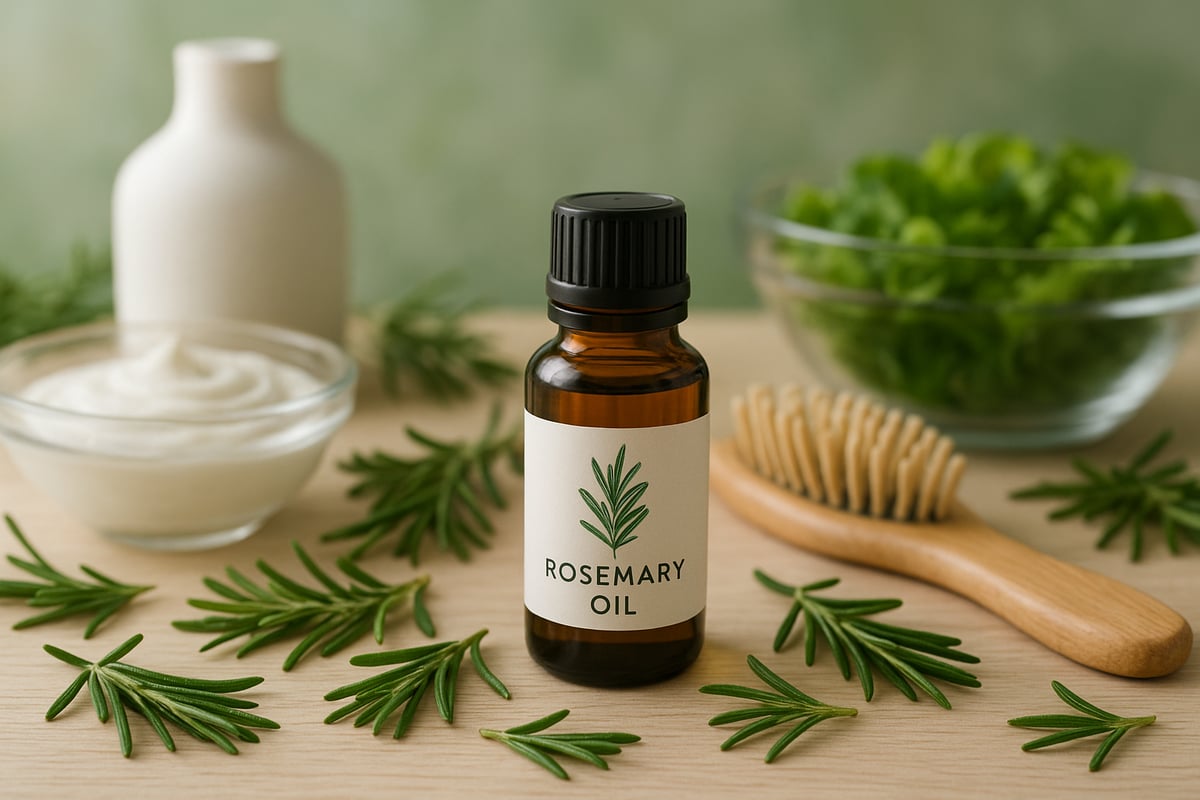
Rosemary oil is widely used in diffusers, vaporizers, and sprays to purify the air and create a fresh, stimulating atmosphere. The scent promotes focus and concentration, making it ideal for study rooms and offices.
- Combine rosemary oil with lavender or lemon for a balanced scent.
- Use 4 to 6 drops per 100 ml of water in a diffuser.
- Natural air fresheners are more popular than ever in 2026.
Consumers are increasingly choosing natural alternatives to improve air quality and create a relaxing atmosphere. Always pay attention to the correct dosage for optimal effect.
Skin Care and Cosmetics
Thanks to its antibacterial and antioxidant properties, rosemary oil is a favorite ingredient in creams, serums, and masks. It helps care for oily skin, supports acne treatment, and contributes to a fresh complexion.
- Add a few drops to your DIY facial oil.
- Always test first on a small patch of skin.
- Natural skincare is rapidly growing in popularity.
Make sure to dilute properly to avoid skin irritation. Rosemary oil fits perfectly into a daily care routine focused on healthy, radiant skin.
Hair Care and Hair Growth
More and more people are discovering the power of rosemary oil for hair care. It can stimulate hair growth and helps reduce dandruff. Scientific research confirms that regular use can improve hair density. Read more about the effectiveness of rosemary oil for hair growth for the latest insights.
- Add rosemary oil to your shampoo or hair mask.
- Combine with peppermint or tea tree oil for extra effect.
- Gently massage into the scalp.
Regular use, combined with other natural oils, supports healthy hair growth and a well-cared-for scalp.
Muscle and Joint Pain
For athletes and people with muscle or joint complaints, rosemary oil offers relief. As a massage oil, it relaxes and aids recovery after exertion.
- Mix rosemary oil with a carrier oil for massage.
- Applicable for rheumatism, muscle pain, and stiff joints.
- Add a few drops to bath water for extra relaxation.
Be careful with sensitive skin and avoid frequent use on the same area. Rosemary oil has become a staple in sports massages and physiotherapy.
Immune Support and Colds
Rosemary oil is used to support the respiratory system during colds and coughs. Steaming with a few drops helps open the nose and soothes sore throats.
- Combine with eucalyptus or thyme for a stronger effect.
- Use a maximum of 2-3 drops per steam session.
- Natural remedies are popular for seasonal complaints.
Be cautious with children and use only rosemary oil suitable for inhalation. Always consult an expert if in doubt.
Kitchen and Culinary Applications
In the kitchen, rosemary oil is used as a flavor enhancer in bread, dressings, and Mediterranean dishes. Be careful with the dosage, as the oil is potent and concentrated.
- Use only rosemary oil that is certified edible.
- Add one drop to a dish for a spicy boost.
- Inspiration from Mediterranean cuisine brings new recipes.
Always check the label for food safety. Rosemary oil not only adds flavor but also a subtle aromatic experience to the table.
Practical Guide: Using Rosemary Oil in 2026
Rosemary oil is versatile, but how do you really get the most out of this powerful natural product? In this guide, you'll find step-by-step instructions, smart DIY tips, safety advice, and quality control. This is how you use rosemary oil safely, effectively, and with maximum results in 2026.
Step-by-step Guide for Use
Want to use rosemary oil optimally? Follow these five steps:
- Choose the right rosemary oil: Pay attention to chemotype, organic certification, and freshness.
- Always dilute well: Mix rosemary oil with a carrier oil to prevent skin and hair irritation. Want to know more about suitable base oils? Check out the base oil and carrier oil information.
- Determine the right dosage: For aromatherapy, 3 to 5 drops per 100 ml of water is ideal. For massage, a maximum of 2% rosemary oil in a carrier oil.
- Check for allergies: Always do a patch test, especially for children or sensitive skin.
- Store the oil cool and dark: This keeps rosemary oil good for longer.
A daily routine with rosemary oil provides fresh energy and a natural boost.
Adding Rosemary Oil to Products Yourself
Want to get started yourself? Rosemary oil is perfect for DIY care products. Mix a few drops with jojoba or almond oil for a nourishing hair oil. Create a relaxing bath by mixing 5 drops of rosemary oil with Epsom salt and a carrier oil.
Important tips:
- Always work cleanly and hygienically.
- Follow the recommended ratios.
- Store your blends in dark glass bottles.
More and more consumers are making their own products with rosemary oil. Workshops and online courses offer plenty of inspiration to get creative.
Dosage and Safety in Practice
The correct dosage of rosemary oil varies by application. For skin use, 1 to 2% diluted in a carrier oil is safe. In a diffuser, 3 to 5 drops are sufficient. Note: overdosing can cause headaches or skin irritation.
Many beginners make mistakes by using too much rosemary oil. Always consult an aromatherapist if in doubt. Stricter safety instructions apply for children and pets.
A handy checklist:
- Always check the label.
- Never use undiluted rosemary oil on the skin.
- Keep oil out of reach of children.
Storage, Shelf Life, and Quality Control
Rosemary oil stays top quality longest when stored in a cool, dark place. Avoid plastic packaging and choose dark glass. If the oil smells musty or the color has changed, the oil may be spoiled.
Pay attention when purchasing:
- Production Date and Expiration Date
- Certification and Batch Number
- Supplier Reputation
According to complaint records, only a small percentage of users report quality issues when rosemary oil is stored correctly. Always choose reliable suppliers.
Oliemeesters: Organic Rosemary Oil for Consumers and Businesses
Oliemeesters is the wholesaler for organic essential oils, including rosemary oil. Here you will find 100% pure, certified, and cruelty-free oils, suitable for wellness, cosmetics, and food.
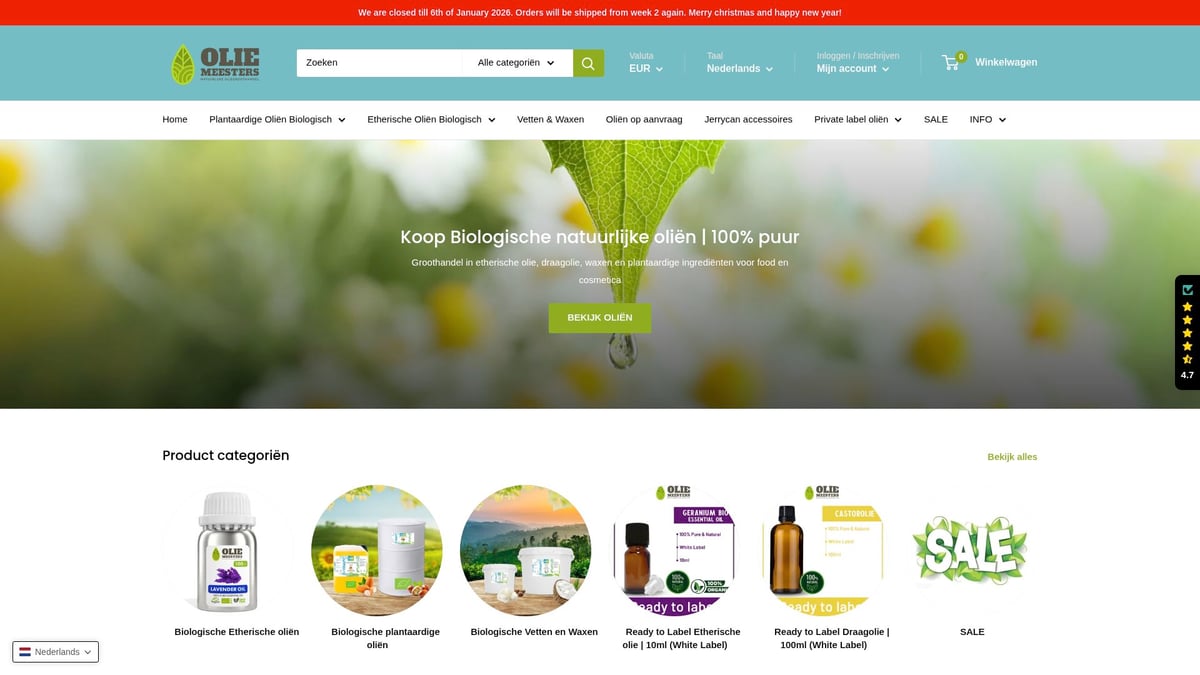
Both consumers and businesses can rely on private label, bulk, and fast delivery. Transparent product information and competitive prices make Oliemeesters a favorite choice for hospitality, wellness centers, and cosmetic brands.
The demand for organic rosemary oil in Europe continues to rise. Choose quality, sustainability, and reliability consciously.
Common Mistakes and How to Avoid Them
Avoid these pitfalls when using rosemary oil:
| Error | Consequence | Solution |
|---|---|---|
| Undiluted on skin or hair | Skin irritation | Always dilute |
| Too high dosage in diffuser | Headache, nausea | Maximum 5 drops |
| Non-food-safe oil in dishes | Health Risks | Check Labeling |
Always read the label and follow the instructions for use. Research shows that over 20% of new users make mistakes when first using rosemary oil. Use a checklist for responsible use and enjoy all the benefits worry-free.
Trends and Innovations Around Rosemary Oil in 2026
The market for rosemary oil is evolving rapidly. Innovation and consumer awareness are driving new applications, packaging formats, and increasing demand for sustainable products. What are the key trends and developments to watch for in 2026?
New Product Developments and Market Trends
In recent years, we have seen a strong rise in innovative blends with rosemary oil. Manufacturers increasingly combine this oil with other essential oils, such as lavender and lemon, to create unique aromas and synergistic effects. Eco-refill systems and sustainable packaging are also gaining ground in response to the growing demand for environmentally friendly solutions.
Market research shows that the market for natural aromas and personal care products grows by over 12% annually. Transparent origin information and certification are becoming increasingly important to consumers. Want to know which products are the most popular? Then check out the Popular Essential Oils Collection for current trends. Rosemary oil remains a favorite, partly due to its versatility and proven effectiveness.
Future Health Applications
The future holds promising new applications for rosemary oil, especially in the field of health. Researchers anticipate breakthroughs in neurological disorders, stress management, and preventive care. In various pilot projects, rosemary oil aromas are used to reduce stress and improve concentration in healthcare settings.
Investment figures show a sharp increase in phytotherapy research, with rosemary oil playing a prominent role. Healthcare professionals are increasingly interested in natural alternatives to traditional medication. The limits of innovation lie in scientific evidence and practical applicability, but the opportunities are great.
Sustainability and Ethical Consumer Trends
Sustainability is central in the choice of rosemary oil. Climate change affects rosemary cultivation, increasing the importance of local projects in Europe. Consumers place great value on organic certification, fair trade, and transparency in the production chain. About 68% of buyers cite sustainability as a decisive criterion when purchasing essential oils.
Certifications and quality marks are on the rise, as are fair trade initiatives. Want to learn more about the range of sustainable and certified oils? Check out the Organic essential oils collection for inspiration and the latest selection. Ethically sourced rosemary oil is not only good for the environment but also for your conscience.
Rosemary Oil in Lifestyle and Wellness
Rosemary oil is now indispensable in modern lifestyle and wellness rituals. Wellness centers and spas set the tone with luxury treatments centered around rosemary oil. Its integration into yoga, meditation, and mindfulness is growing, partly thanks to its stimulating and relaxing properties.
The wellness industry records an annual growth of 10% in the use of natural oils. Minimalism and slow living enhance the popularity of simple, pure products. For those who want to create a personal wellness ritual, rosemary oil forms an inspiring base. Combine it with other trends for an optimal experience.
Now that you have discovered everything about the powerful uses and benefits of rosemary oil in 2026, you understand how important it is to choose pure, organic quality. Whether you are working on your skincare, wellness, or innovative culinary creations, the right oil truly makes a difference. At Oliemeesters, you will find 100 percent pure, certified, and cruelty-free rosemary oil that meets the highest standards. Are you ready to experience the benefits yourself and get started quickly in your practice or routine? Order now fast delivery within 1-5 days