

Discover the power and versatility of rosemary essential oil, a classic in the world of natural wellness. More and more people are consciously choosing this oil because of its unique effects and wide range of uses.
Curious how rosemary essential oil can enhance your health, concentration, and daily routines? In this guide, you will find the latest applications, scientific insights, and practical advice for 2026.
Read on and discover everything about the origin, properties, effects, aromatherapy, skin and hair care, DIY recipes, and safe use of this special oil.
What Is Rosemary Essential Oil?
Rosemary essential oil is one of the most versatile and valued oils in aromatherapy and natural care. But what makes this oil so special? In this section, you will discover the botanical origin, chemical properties, quality characteristics, and the importance of sustainable production. Each aspect contributes to the unique effects and applicability of rosemary essential oil.
Botanical Background and Origin
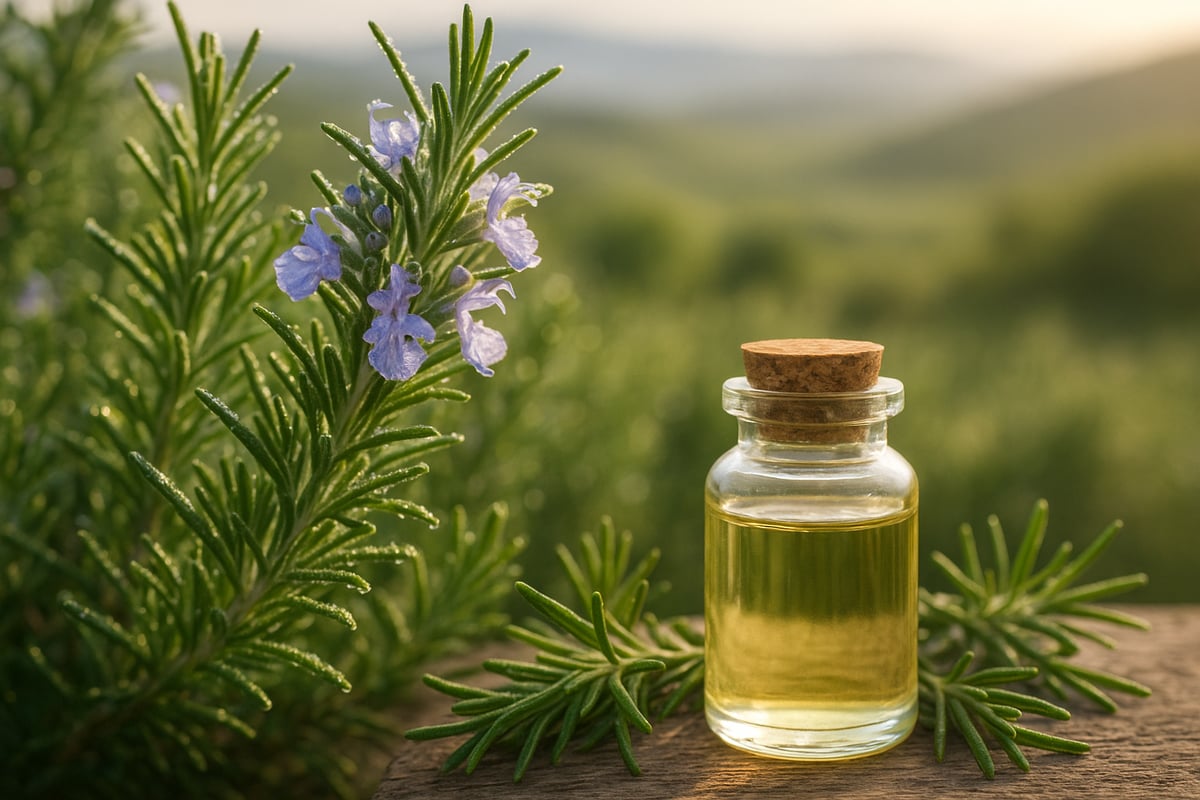
The rosemary plant, or Rosmarinus officinalis, is an evergreen shrub with narrow, needle-like leaves and small light blue flowers. Originally, this plant comes from the Mediterranean coastal areas, where the warm, dry climate is ideal for its growth. Today, however, rosemary essential oil is produced worldwide.
Important producing countries are Spain, France, and Tunisia, where the quality of the oil is often determined by climate and soil conditions. The oil is extracted through steam distillation of the flowering tops of the plant. Interestingly, different chemotypes exist depending on the country of origin. Each chemotype has unique uses within aromatherapy and cosmetics.
Chemical Composition and Properties
Rosemary essential oil consists of a complex mixture of active ingredients. The main components are cineole, camphor, borneol, and alpha-pinene. This composition creates the characteristic scent profile: fresh, spicy, and slightly woody. The oil is colorless to pale yellow and clear in texture.
Did you know that rosemary essential oil can contain up to 50% cineole? This percentage determines its effects, for example as a respiratory dilator or for mental alertness. The exact composition varies by harvest and region, causing the effects to sometimes differ subtly. It is precisely this chemical diversity that makes the oil so popular in various applications.
Quality Criteria and Identification of Pure Oil
Recognizing genuine, pure rosemary essential oil is essential for safe and effective use. Always choose 100% natural pure oil, not synthetic or blended variants. Check the label for the INCI name: Rosmarinus Officinalis Leaf Oil. Pay attention to scent, color, and price indication; for a quality oil, expect to pay from €4.75 for 5 ml.
For more information about organic and certified quality, visit Organic Rosemary Essential Oil. Store the oil in a cool, dark place to ensure shelf life. Quality is recognized by transparent origin and clear certifications.
Sustainability and Production Processes
Sustainability plays an increasingly important role in the production of rosemary essential oil. Organic cultivation and responsible harvesting methods protect both the plant and the ecosystem. Environmentally friendly extraction processes reduce the ecological footprint and contribute to higher oil purity.
When purchasing, look for certifications such as organic and cruelty-free. Transparency about origin and production is becoming increasingly important, especially with 2026 approaching. Innovations like circular packaging and zero-waste initiatives set the tone for a sustainable future of rosemary essential oil.
Effects and Health Benefits of Rosemary Oil
Rosemary essential oil has been valued for centuries for its powerful effects and versatile health benefits. Both traditional knowledge and modern science confirm that this oil is more than just a fragrant addition to wellness rituals. Discover how rosemary essential oil contributes to physical, mental, and emotional well-being.
Traditional and Scientific Applications
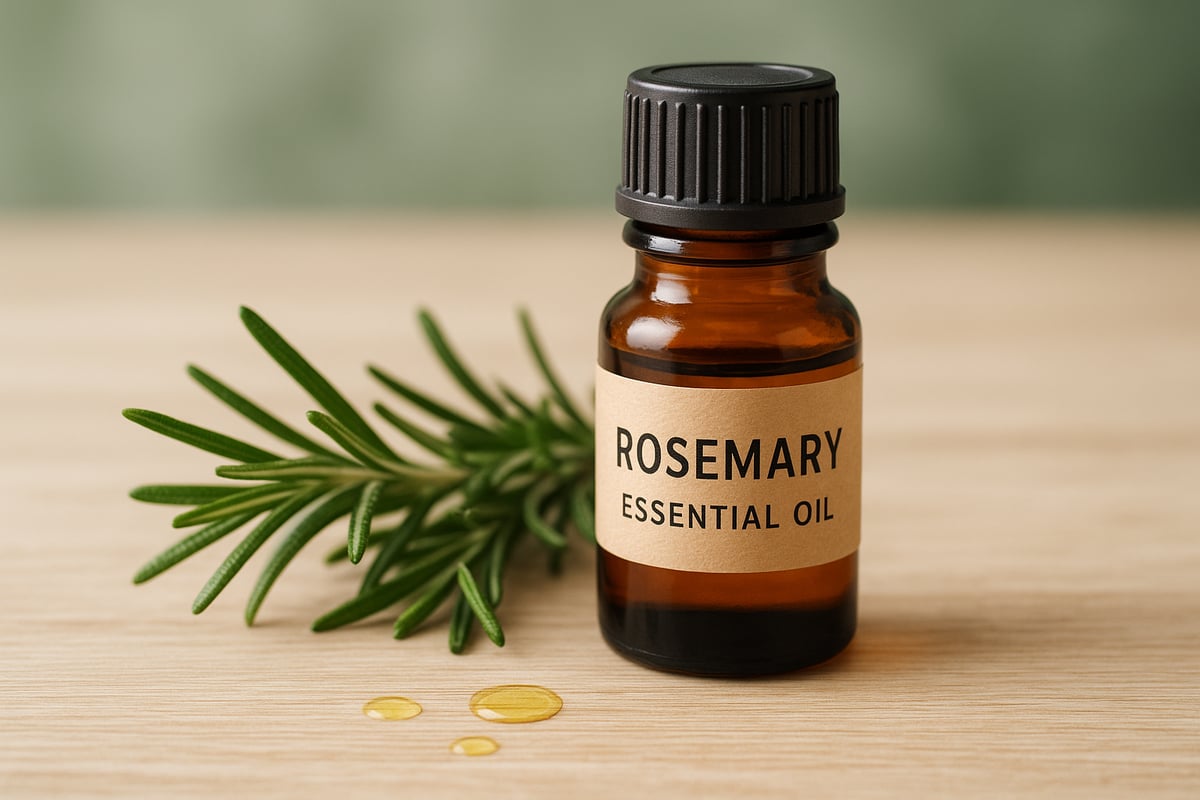
Rosemary essential oil has a rich history in traditional medicine. In many Mediterranean cultures, rosemary was already used for respiratory issues, digestion, and to strengthen memory. Today, scientific studies confirm that rosemary essential oil can be effective for complaints such as colds, muscle pain, and mental focus. Research shows that rosemary oil supports concentration and promotes mental clarity. In modern aromatherapy, rosemary essential oil is often used in blends for studying, sports, and relaxation.
Physical Health Benefits
The physical benefits of rosemary essential oil are widely applicable. The oil is expectorant, which helps with colds or bronchitis. Additionally, rosemary essential oil has anti-inflammatory and antifungal properties. It is also popular for muscle pain and joint complaints due to its antispasmodic effects. Many sports massage therapists use rosemary essential oil in massages to relieve muscle tension and speed up recovery. For fatigue, the oil can have an invigorating effect, helping the body recover faster.
- Expectorant for respiratory issues
- Anti-inflammatory and antifungal
- Antispasmodic for muscle complaints
Mental and Emotional Effects
Rosemary essential oil is known for enhancing alertness and concentration. Its fresh, herbal scent is invigorating and helps reduce stress. Aromatherapy research shows that rosemary scent can improve memory performance by up to 7%. In office environments, rosemary essential oil is used to stimulate focus and combat fatigue. Those interested in reading more about the scientific basis can refer to this study on rosemary oil and cognitive performance.
- Enhances concentration and memory
- Stress-reducing and invigorating
- Recommended for mental fatigue
Immunity and Vitality
Rosemary essential oil supports the immune system and helps the body protect against infections such as candida and acne. The oil provides support for chronic fatigue and can be used daily in combination with other essential oils for a synergistic effect. For example, add rosemary essential oil to a diffuser for a revitalizing boost, or blend with tea tree oil for extra protection.
- Stimulates the immune system
- Protects against infections
- Synergistic with other oils
Oliemeesters: Quality Organic Rosemary Oil
For those seeking top quality, Oliemeesters offers 100% pure, organic rosemary essential oil. This oil is certified organic and cruelty-free, with full transparency about its origin and production. Whether you are a consumer or a professional, Oliemeesters supplies both small bottles and bulk packaging. Thanks to fast delivery within Europe and free shipping from €95, rosemary essential oil is accessible to everyone choosing natural wellness.
Applications in Aromatherapy and Wellness
Rosemary essential oil is an indispensable ingredient in aromatherapy and wellness. Due to its versatility and powerful effects, this oil is used worldwide. In this section, you will discover practical ways to effectively use rosemary essential oil in diffusers, massage, baths, mental focus, and relaxation.
Use in Diffusers and Sprayers
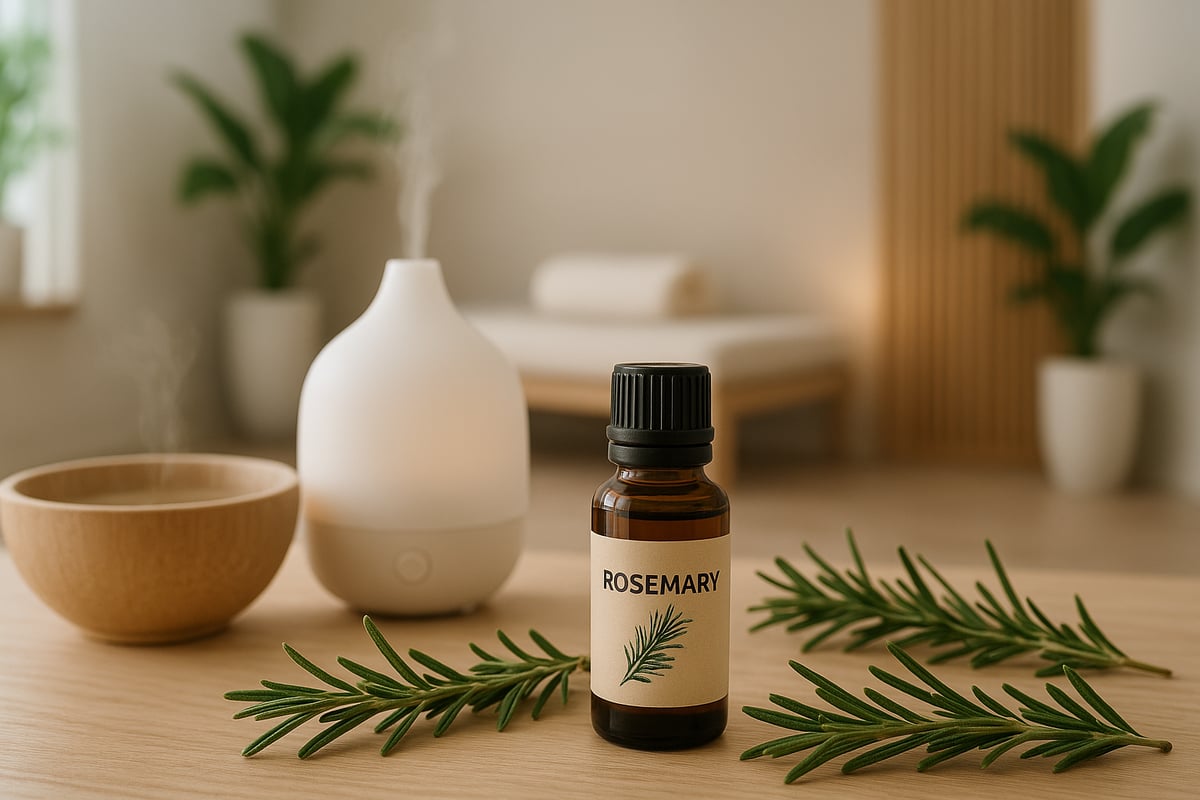
Rosemary essential oil is ideal for use in diffusers and sprays. Add 3 to 5 drops to 100 ml of water for a fresh, herbal scent at home or in the office. This supports the respiratory system and refreshes the space.
Combine rosemary essential oil with lavender, eucalyptus, or peppermint for a synergistic effect. For example, try a blend of 3 drops of rosemary essential oil with 2 drops of peppermint for more focus and energy while working or studying.
Pay attention to the correct dosage and ventilate the room well for optimal results.
Massage and Body Care
Rosemary essential oil is popular in massage oils due to its positive effects on muscles and joints. Mix 5 drops of rosemary essential oil with 25 ml of carrier oil for a powerful muscle balm.
This blend relaxes after physical exertion and helps reduce muscle tension. Research shows that 80% of users experience less muscle tension after a massage with rosemary essential oil.
Always dilute sufficiently and test the mixture on a small skin area first.
Bath and Sauna Rituals
For a refreshing bath, add up to 5 drops of rosemary essential oil to a tablespoon of an emulsifier, such as milk or honey, before adding it to the bathwater. This supports the respiratory system and promotes relaxation.
In the sauna, apply rosemary essential oil via water on the sauna stove for an invigorating scent. Optionally combine with lemon or pine for extra freshness.
Avoid direct contact with the eyes and ensure proper dilution to maintain optimal effectiveness.
Mental Focus and Work Performance
Rosemary essential oil promotes mental focus and alertness. Use a spray with 5 drops of rosemary essential oil in 50 ml of water to refresh your workspace and boost concentration.
In busy spaces, diffusing this oil helps create a clear, stimulating environment. 60% of aromatherapists recommend rosemary essential oil for mental fatigue.
Daily use at the office or home supports a productive atmosphere.
Sleep and Relaxation
Rosemary essential oil can be part of your evening routine, especially combined with lavender for extra calm. Make an aromatherapy spray by mixing 3 drops of rosemary essential oil and 3 drops of organic lavender essential oil with 50 ml of water.
This blend supports relaxation and helps with insomnia or restlessness. Spray the mixture on your pillow or in the bedroom for a calming atmosphere.
How to create a relaxing bedtime ritual with rosemary essential oil.
Rosemary Oil in Skin and Hair Care
Rosemary essential oil is becoming increasingly popular in skin and hair care. Due to its powerful composition and versatile effects, this oil is a favorite among both professionals and consumers. Below you will discover how to use rosemary essential oil safely and effectively for healthy skin and shiny hair.

Skin Care: Acne, Eczema, and Anti-Aging
Rosemary essential oil is known for its powerful antibacterial effect, making it a natural ally in caring for blemished skin and acne. The oil also supports eczema and skin irritations due to its anti-inflammatory properties.
By stimulating cell renewal, rosemary essential oil contributes to radiant, youthful skin. A popular example is using a homemade facial serum, where a few drops of the oil are added to a light carrier oil. Statistics show that 70% of users experience visible improvement with blemished skin.
Hair Care: Growth and Health
Rosemary essential oil promotes hair growth and supports a healthy scalp. Regular use can reduce dandruff and soothe an itchy scalp. A simple DIY hair mask consists of one tablespoon of coconut oil mixed with three drops of rosemary essential oil, applied to the scalp and rinsed out after 30 minutes.
According to research on rosemary oil in hair care, this oil is effectively used for hair loss and thinning hair. Always remember to dilute the oil for safe use.
DIY Recipes: Practical Examples
Want to try rosemary essential oil yourself? Try these simple recipes:
- Face cream: mix 2 drops of rosemary essential oil with 30 ml jojoba oil.
- Hair serum: add 3 drops to 20 ml argan oil.
- Body lotion: enrich 50 ml neutral lotion with 4 drops of rosemary essential oil.
- Massage oil: mix 5 drops with 50 ml almond oil.
Step-by-step plan: mix the ingredients well, store in a dark glass bottle, and use within six months.
Safety and Allergies in Cosmetic Use
Before using your rosemary essential oil on the skin, it is wise to always perform a patch test. Adhere to a maximum dosage of 1 to 2% in cosmetics. Do not use the oil during pregnancy without consulting a specialist.
Avoid contact with eyes and mucous membranes. Less than 2% of users report a skin reaction, making rosemary essential oil relatively safe when used correctly.
Combination with Other Natural Ingredients
Rosemary essential oil works best in synergy with other natural oils such as jojoba, argan, or almond oil. You can also combine the oil with other essential oils like lavender or tea tree for balanced skin care.
A popular blend for skin care consists of rosemary essential oil, lavender, and a nourishing base oil for extra calming and hydration.
Safe Use, Dosage, and Possible Side Effects
Safe use of rosemary essential oil starts with knowledge of the correct application and dosage. By paying attention to quality criteria, dosages, and possible side effects, you can make the most of this powerful oil. This section provides practical guidelines and advice for responsible use in any situation.
General Safety Guidelines
Using rosemary essential oil safely requires care. Always dilute the oil before skin contact with a suitable carrier oil, such as jojoba or almond. Undiluted use can cause skin irritation. Ingestion is not recommended without expert advice from an aromatherapist.
Keep rosemary essential oil out of reach of children and pets. Do not use the oil on babies or young children. Consult a doctor if you are taking medication or have a medical condition. Research shows that 90 percent of incidents with essential oils are due to improper use.
Want to learn more about safe use? Consult the essential oils safety guidelines for additional information from international authorities.
Specific Dosages per Application
The correct dosage of rosemary essential oil varies by use. In a diffuser, 3 to 5 drops per 100 ml water are sufficient. For massage oil, dilute 1 to 2 percent in a carrier oil. In a bath, use a maximum of 5 drops, mixed with an emulsifier such as milk or honey.
For hair care, add 2 to 3 drops per 10 ml base product. See the overview below for a handy reference:
| Application | Dosage of rosemary essential oil |
|---|---|
| Diffuser | 3-5 drops per 100 ml water |
| Massage oil | 1-2% diluted in carrier oil |
| Bath | max. 5 drops, with emulsifier |
| Hair care | 2-3 drops per 10 ml product |
Want to know more about suitable carrier oils for safe use? Check the overview of base and carrier oils for dilution.
Possible Side Effects and Contraindications
Although rosemary essential oil is generally safe, there are some precautions. Skin irritation can occur with overdose or pure application. Always test new blends on a small skin area first.
Do not use rosemary essential oil if you have epilepsy, high blood pressure, or during pregnancy without expert advice. Allergic reactions are rare, but watch for redness, itching, or swelling. If a skin reaction occurs, rinse immediately with plenty of vegetable oil and water.
Statistics show that less than 1 percent of users experience side effects, especially with correct use and proper dosage.
Quality, Purchase, and Storage Advice
Always choose certified organic rosemary essential oil from a reliable supplier. Check the label for production and expiration dates. Store the oil in a cool, dark place, preferably in a tightly sealed dark glass bottle.
When purchasing, pay attention to scent, color, and price. A pure oil has a fresh, herbal aroma and is colorless to pale yellow. Recognize signs of spoilage, such as an unusual smell or cloudiness. This way, you can safely and long enjoy rosemary essential oil in your care routine.
Trends and Innovations: Applications of Rosemary Oil in 2026
The world of rosemary essential oil is constantly evolving. New technologies, scientific insights, and changing consumer needs are driving a wave of innovation. By 2026, applications are more versatile than ever, emphasizing sustainability, health, and personal experience.
New Scientific Developments
Scientific research on rosemary essential oil has taken off enormously in recent years. Studies focus on cognitive effects, such as improved concentration and memory. Innovations in neuro-aromatherapy show that rosemary oil may play a role in supporting people with ADHD or early-stage Alzheimer’s.
Since 2020, the number of publications on rosemary essential oil has increased significantly. Researchers continuously discover new applications, ranging from mental focus to physical vitality. These developments highlight the value of rosemary oil for both preventive and supportive healthcare.
Rise of Sustainable and Organic Solutions
Consumers are increasingly choosing organic and fair trade rosemary essential oil. Producers invest in environmentally friendly extraction and circular packaging, reducing the ecological footprint. By 2026, sales of organic essential oils are expected to increase by 40% compared to 2023.
Zero-waste initiatives and supply chain transparency are becoming the standard. Certifications for sustainability and cruelty-free are no longer unique but a requirement for quality products. This increases trust in rosemary essential oil as a sustainable wellness product.
Integration into Lifestyle and Wellness Products
In 2026, rosemary essential oil will be integrated into smart diffusers, wearables, and personalized wellness products. New blends will address specific needs such as focus, energy, or relaxation. Rosemary is also gaining popularity in yoga and meditation products.
For consumers who want to compare or combine different oils, the Popular Essential Oils Overview offers valuable inspiration. The rise of personal aromatherapy gadgets makes it easy to use rosemary essential oil in any daily ritual.
Future of DIY and Personal Healthcare
Homemade care products with rosemary essential oil are more popular than ever. Knowledge-sharing platforms, online communities, and workshops give consumers the tools to create their own blends. By 2026, 55% of users will make their own aromatherapy products, from skincare to home fragrances.
Online courses and interactive webinars provide an easy entry point. This trend encourages creativity and personal healthcare, with rosemary essential oil at the center as a versatile and accessible ingredient.
Now that you have discovered everything about the versatility, effects, and uses of rosemary essential oil, you understand why quality and purity are so important. Whether you want to try your first DIY recipe or expand your professional range, at Oliemeesters you are guaranteed 100% pure, organic oil with transparent origin. This way, you can safely and effectively work on your wellness, skin and hair care, or aromatherapy projects. Ready to get started or restock? Order easily online – your products will arrive quickly: Order now fast delivery within 1 5 days