

Discover the pure power of organic essential oils, a trend that will be stronger than ever in 2026. More and more people are consciously choosing natural products that contribute to health, well-being, and sustainability.
This guide on organic essential oil takes you step by step into the world of pure oils. You will learn exactly what organic essential oil is, the benefits it offers, and how to recognize quality.
Want to know how to choose responsibly, use safely, and get the most benefit from these natural power sources? Read on and make informed choices for yourself and the world around you.
What is Organic Essential Oil?
Organic essential oil is increasingly attracting the attention of conscious consumers. But what really makes an oil organic, and why are more people choosing this pure form? To understand this, we look at the definition, the production process, the differences with non-organic variants, and some notable statistics.
Definition and Characteristics
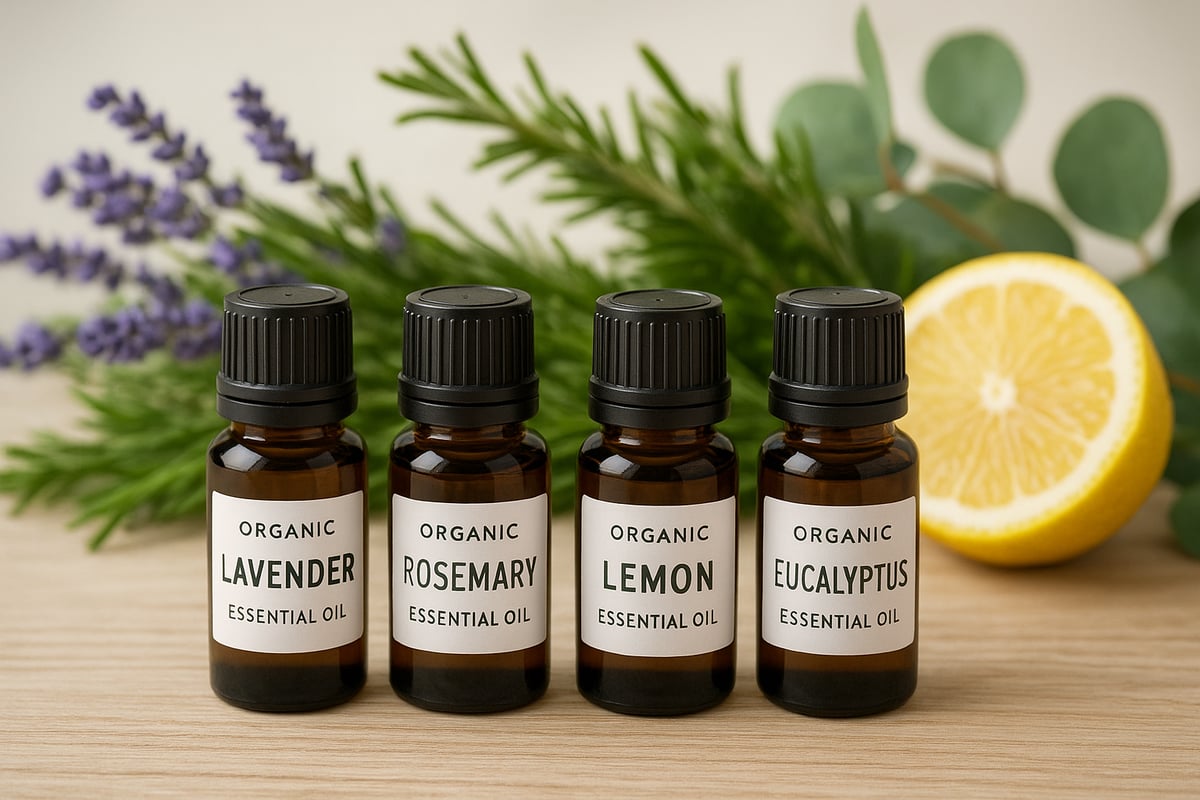
Organic essential oil is extracted from plants grown on certified organic soil. This means no synthetic pesticides or fertilizers are used. The oils are free from synthetic additives and are strictly tested for purity. Certifications such as SKAL and the EU organic label provide assurance about origin and quality. A good example is organic lavender oil: it contains more active compounds than the regular variant. Read more about the unique characteristics in essential lavender oil information. Pure oils retain their natural potency and fragrance.
Production Process of Organic Essential Oil
The production process of organic essential oil starts with organic cultivation. There are strict requirements for soil, water, and harvesting. Plants are carefully selected and harvested at the optimal time. Extraction is done through steam distillation or cold pressing, without the use of chemical solvents. Sustainability is central: organic farmers choose crop rotation and limit their ecological footprint. A well-known example is organic rosemary oil from France, which meets all standards for pure quality.
Differences from Non-Organic Essential Oils
The main difference between organic and non-organic essential oils lies in the use of pesticides and synthetic fertilizers. Non-organic oils may contain traces of pesticides and undergo less stringent quality controls. This increases the risk of residues and contaminants. Organic oils are often slightly more expensive but offer higher purity. The demand for organic variants is growing as consumers increasingly value purity and transparency.
Relevant Statistics
Research shows that 98 percent of Chi.nl customers rate organic essential oil with an average of 4.8 out of 5 stars. In the Netherlands, the market for organic essential oils grows by 15 percent annually. Notably, 70 percent of consumers cite purity as the main reason for their purchase. These figures illustrate that organic essential oil is not just a trend but a conscious choice for quality and health.
The Benefits of Organic Essential Oil
Choosing organic essential oil not only benefits your health but also supports the environment, ethical production, and product quality. In this section, you’ll discover why more people in 2026 are consciously choosing organic oils and how this choice positively impacts your well-being and the world around you.
Health benefits
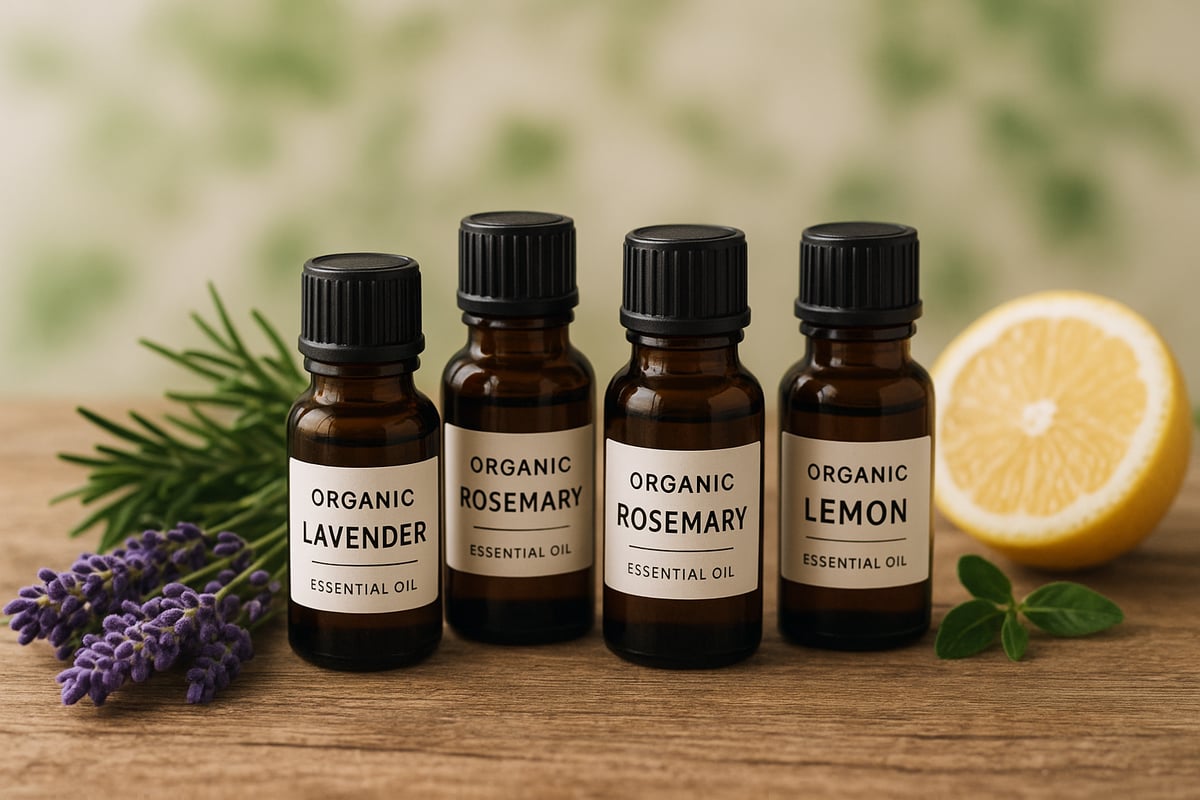
Organic essential oil is completely free of pesticides and synthetic substances. This ensures your body absorbs only the pure active ingredients. Organic oils naturally contain a higher concentration of active compounds, enhancing their effectiveness.
Some popular uses include lavender oil for relaxation and tea tree oil for skincare. The absence of chemical residues reduces the risk of allergies or skin irritation. Many users experience a boost in their natural immunity through the use of organic essential oil.
In short, you choose a product that supports your health without unnecessary strain on your body.
Sustainability and Environment
Organic cultivation of essential oil protects biodiversity by avoiding harmful pesticides. This keeps the soil healthy and prevents water pollution. Thanks to sustainable farming methods like crop rotation, CO2 emissions are reduced.
Organic farmers actively contribute to preserving local ecosystems. By choosing organic essential oil, you make a conscious choice that benefits not only yourself but also the planet.
These oils are an example of how natural products and sustainability can go hand in hand.
Ethical Considerations
Organic essential oil is produced without animal testing and with respect for animal welfare. Farmers and producers often work under fair trade conditions, ensuring better working conditions and a fair price.
Certifications such as SKAL and the EU organic label not only ensure organic quality but also transparency throughout the supply chain. As a consumer, this allows you to confidently choose organic essential oil.
Your choice supports ethical business practices and contributes to a fairer world.
Quality and Purity
With organic essential oil, you are guaranteed 100% pure oils, without dilution or synthetic additives. Each product is rigorously tested in the laboratory for purity and composition.
A good example is organic patchouli oil, known for its rich scent and long shelf life. Organic oils retain their natural aroma and therapeutic effects much better than non-organic variants.
By choosing organic essential oil, you benefit from unparalleled quality and purity.
Consumer Trends and Scientific Insights
The demand for organic essential oil continues to grow rapidly. Consumers increasingly choose natural self-care products. Research shows that organic essential oils contain up to 30% more active ingredients than conventional variants.
95% of users recommend organic essential oil. Influencers and wellness experts actively promote these oils through blogs and social media. Applications range from aromatherapy to food and cosmetics.
Want to learn more about effectiveness and applications? Then check out the scientific research on essential oils for in-depth insights.
Quality Features & Recognition of Pure Organic Essential Oil
The quality of organic essential oil determines not only its effectiveness but also safety and sustainability. Pure organic oils are recognized by strict quality features. In this section, you will discover what to look for, how to recognize genuine quality, and which common misconceptions exist.
What to Look for When Buying?
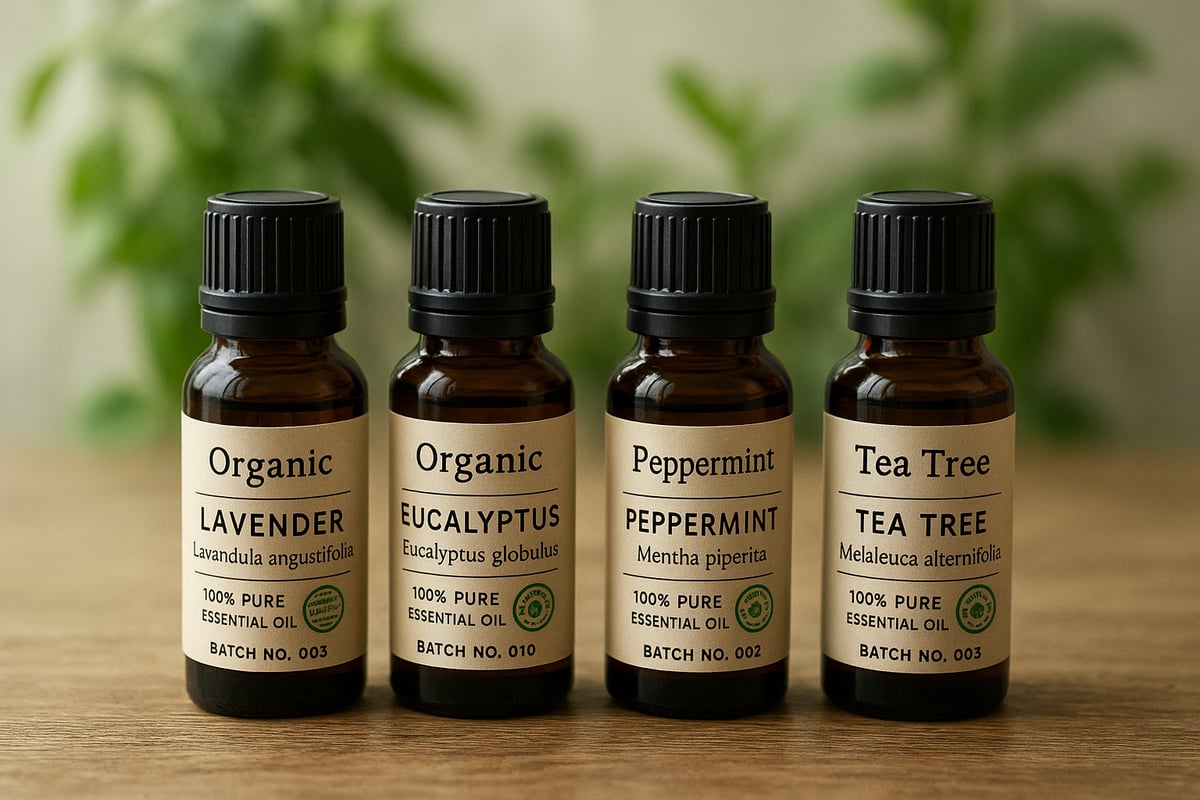
When purchasing organic essential oil, it is essential to look for several quality indicators. Certified oils must always carry a quality mark, such as SKAL, Ecocert, or the EU Organic label. Check if the Latin botanical name is on the label to be sure which plant was used.
Also pay attention to the mention of the country of origin, batch number, and expiration date. Transparency about ingredients is crucial; reliable producers always provide a complete ingredient list. These details give you confidence in the purity and origin of the oil.
- Certifications: SKAL, Ecocert, EU Organic
- Botanical name and origin visible
- Batch number and expiration date present
- Transparent ingredient list
Always choose organic essential oil from a supplier who provides this information fully and clearly.
Packaging and Storage Advice
The right packaging biologically protects essential oil from external influences. Dark glass bottles, such as brown or blue glass, are standard because they protect the product from light and oxidation. An airtight cap prevents evaporation and preserves the aroma optimally.
Always store the oil in a cool, dark place, such as a cupboard or drawer. Avoid plastic packaging, as it can release substances into the oil. A good example is lavender oil, which is often offered in a 10ml brown glass bottle.
Pay attention to the following points for optimal storage:
- Always use dark glass
- Use an airtight cap for freshness
- Store in a cool, dark place
- Avoid plastic bottles
This way, organic essential oil stays fresh longer and maintains top quality.
Scent, Color, and Consistency
The scent of organic essential oil is always natural and subtle, never sharp or synthetic. Each oil has its own characteristic aroma, depending on the plant used. The color varies by type but is always natural and never artificially colored.
The consistency should be oily, not watery or cloudy. A good example is organic lemon oil: pale yellow, fresh, and clear. Deviations in scent, color, or texture may indicate adulteration or dilution.
- Natural scent and color
- Oily, clear consistency
- Example: lemon oil is pale yellow and fresh
Notice an anomaly? Then it’s wise to further verify the authenticity of the organic essential oil.
Laboratory Tests & Analyses
For the highest certainty, always have organic essential oil tested with laboratory analyses, such as GC/MS tests. These tests map the exact composition and detect impurities. Reliable suppliers provide test reports and have their oils tested for pesticides, heavy metals, and solvents.
Only pure organic oils pass these extensive tests. Always ask for recent test reports when purchasing. Want to learn more about the importance of testing and quality control? Then read the article on Organic Essential Oils Wholesale for practical industry insights.
This way you can be sure your organic essential oil is safe and of top quality.
Common Misconceptions
There are many misconceptions about organic essential oil. Not everything labeled ‘natural’ is truly organically certified. Fragrance oil is not essential oil: fragrance oils often contain synthetic substances and lack therapeutic effects.
A blend or mix is usually not a pure oil but a mixture. Also watch the price: extremely cheap products are often lower quality or diluted. Some brands wrongly use the word ‘organic’ without certification.
- Natural ≠ organic
- Fragrance oil is not essential oil
- Blends are not pure oils
- Low price often means lower purity
- Always check the certification mark
With this knowledge, you can make a conscious choice for genuine organic essential oil.
Popular Organic Essential Oils & Their Uses
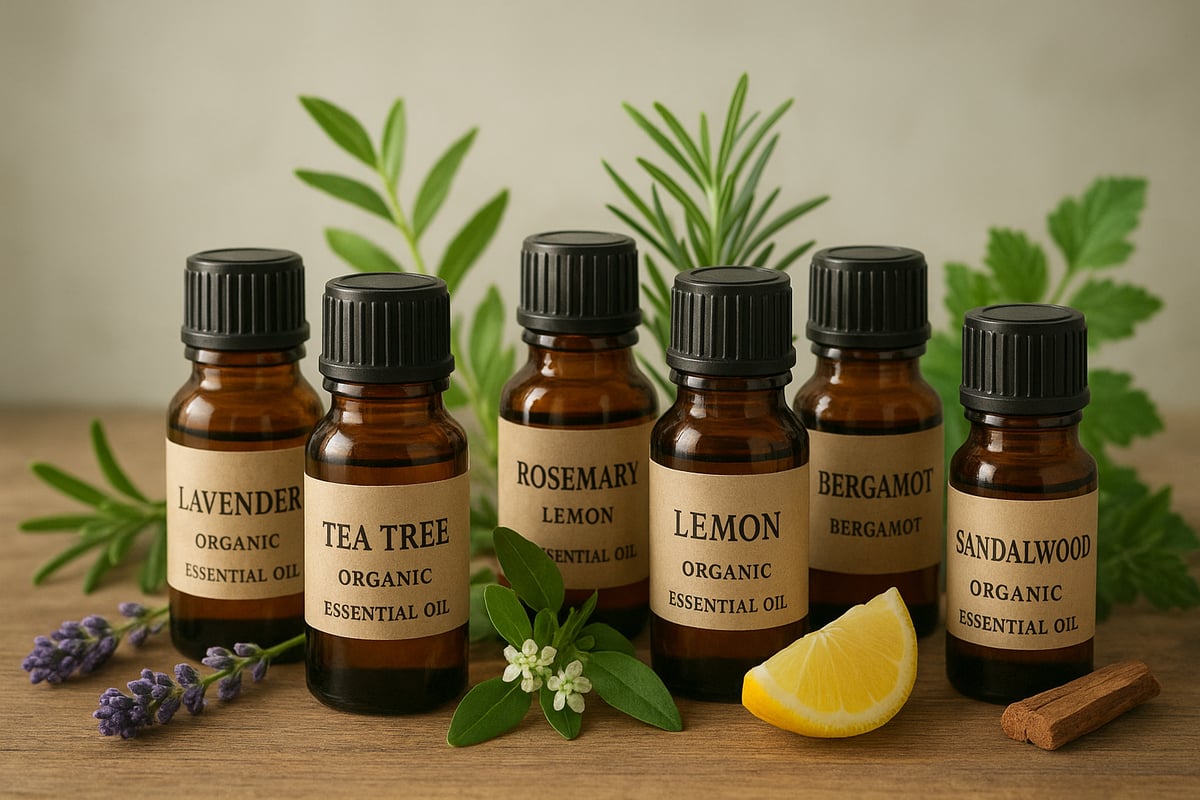
Organic essential oils are indispensable in the world of natural care and wellness. Each oil has a unique profile and specific applications. In this overview, you will discover the most popular oils, their properties, and how to optimally use organic essential oils for your health and well-being.
Organic Lavender Oil
Organic lavender oil is known for its calming and relaxing effects. This organic essential oil is widely used for stress, sleep problems, and restless nights. Thanks to its mild, floral scent, lavender is ideal for aromatherapy and a soothing bath.
- Promotes deep sleep
- Supports relaxation during stress
- Suitable for skin care, when diluted
Organic lavender oil is safe for direct skin contact when mixed with a carrier oil. Consumers especially appreciate its gentleness and pure composition. Customer research from Chi.nl shows 99% satisfaction with this oil.
Organic Tea Tree Oil
Organic tea tree oil is praised worldwide as a natural first aid oil. Due to its strong antiseptic and antifungal properties, this organic essential oil is ideal for skin problems, air purification, and oral care.
- Cleanses and purifies the skin
- Supports minor wounds and pimples
- Suitable for DIY cosmetics and mouthwash
With its fresh, medicinal scent, tea tree oil is a must-have for every natural care routine. Customers report high satisfaction: 123 reviews on Chi.nl, 99% positive. Always use diluted to prevent skin irritation.
Organic Rosemary Oil
Organic rosemary oil works stimulating and refreshing. This organic essential oil is popular in hair care, massages, and as natural support for the respiratory system. The oil is known to promote focus and concentration.
- Helps with fatigue and mental effort
- Strengthens hair and stimulates the scalp
- Suitable for use in the kitchen
The demand for organic rosemary oil is growing rapidly. Want to learn more about production, quality, and trends? Then read the Rosemary Essential Oil Market Update. This oil is a favorite among conscious consumers due to its versatility and powerful effects.
Organic Lemon Oil
Organic lemon oil is fresh, fruity, and energizing. This organic essential oil is often used for air purification, in the kitchen, or as a natural fragrance in cosmetics. Its refreshing aroma is a real boost for body and mind.
- Purifies the air in the home
- Suitable as a flavor enhancer in dishes
- Popular in DIY cosmetics and aroma diffusers
Organic lemon oil from Chi.nl has a customer rating of 98%. The oil is perfect for aromatherapy and as an alternative to lemon zest in recipes. Note: always dose correctly for safe use.
Organic Patchouli Oil
Organic patchouli oil has an earthy, deep scent and is known for its skin-repairing properties. This organic essential oil is widely used in perfumes, skin and hair care, and DIY projects.
- Supports blood circulation
- Works relaxing and calming
- Popular in natural soaps and body lotions
Organic patchouli oil is valued for its long-lasting, warm scent. SoapQueen Europe offers a 100% organic version, loved by creatives who make their own skincare products.
Organic Bergamot Oil
Organic bergamot oil has a sweet, citrusy scent known for its calming and uplifting effects. This organic essential oil is often used in perfumes, aromatherapy, and even in Earl Grey tea.
- Improves mood and reduces stress
- Suitable for perfume and fragrant blends
- Known from Chi.nl with 98% customer satisfaction
Note: always dilute bergamot oil before applying to the skin. The oil is known for its positive effect on emotions and is valued in luxury wellness products.
Organic Sandalwood Oil
Organic sandalwood oil is warm, woody, and deeply relaxing. This organic essential oil is ideal for meditation, skincare, and creating a calming atmosphere. Sandalwood is known for relieving tension and caring for sensitive skin.
- Promotes inner peace and balance
- Suitable for use in meditation and yoga
- Popular in high-end perfumes and creams
Chi.nl offers a premium segment organic sandalwood oil, with 90% customer satisfaction. The oil is loved by professionals and consumers who choose pure quality.
Safe Use & Applications of Organic Essential Oils
Safe use of organic essential oil requires knowledge, care, and attention to dosage. Each purpose requires specific guidelines. Below you will find practical advice for dosage, inhalation, cosmetic and culinary use, plus important safety warnings.
Dosage and Dilution
Dilution is essential for the safe use of organic essential oil. Always add the oil to a carrier oil such as jojoba or almond oil. The standard dilution is 1 to 2 percent, which equals 20 to 40 drops of organic essential oil per 100 ml of base oil.
For children, pregnant women, and people with sensitive skin, a lower dosage applies. Overdosing can cause skin irritation or sensitivity. Use a dropper for precise measurement and mix the oil well before use.
Inhalation and Aromatherapy
Inhalation is one of the safest ways to use organic essential oil. Add 5 to 8 drops to a diffuser, steam bath, or inhaler. This method is ideal for stress, colds, or increased focus.
Note that organic essential oil should never be applied directly to mucous membranes. Lavender and rosemary are popular choices for a fresh and calming atmosphere. Scientific research supports the antibacterial properties of essential oils, making this use especially valuable.
Cosmetic and Culinary Applications
Organic essential oils are perfect for DIY cosmetics, such as creams, bath oils, or lotions. Make sure to use the correct dosage and only oils suitable for skin contact. In the kitchen, you can use edible oils like lemon or rosemary as flavorings, but always check food safety and dosage.
Combine organic essential oils with other natural ingredients for optimal results. Get inspired by recipes from recognized suppliers and keep experimenting within safe guidelines.
Safety Warnings and Allergies
Always test organic essential oils first on a small area of skin, also called a patch test. Not all oils are suitable for pregnant women, children, or people with medical conditions.
Avoid contact with eyes and mucous membranes and always consult a doctor if in doubt. Keep organic essential oils out of reach of children and strictly follow the supplier’s instructions for a safe experience.
[Oliemeesters: Biologische Etherische Oliën voor Professionals en Consumenten] (https://groothandelolie.nl)
Are you looking for a reliable partner for organic essential oils, both for professional use and conscious consumers? Oliemeesters is the wholesaler specializing in 100% pure, certified organic essential oils. Their range targets producers in the cosmetics and food industries, wellness professionals, and anyone who values quality and sustainability.
All organic essential oils at Oliemeesters are completely cruelty-free, ethically produced, and traceable to the source. The oils are obtained from plants grown on certified organic soil. Thanks to strict quality controls and sustainable extraction methods, such as steam distillation or cold pressing, the active ingredients are optimally preserved. Want to learn more about the difference between cold-pressed and refined oils and their impact on organic quality? Then read the article about differences between cold-pressed vs refined oil.
Oliemeesters offers a wide range: from lavender and tea tree to rosemary, patchouli, sandalwood, and more. The organic essential oil is available in various packages and volumes, ideal for both large-scale users and small businesses. Planning to start your own brand? With private label and white label solutions, you can easily create a unique line of natural products, fully customized and with transparent product information.
Besides quality and sustainability, service is central. Oliemeesters delivers quickly, provides insight into laboratory analyses, and has excellent customer reviews. Whether you are looking for organic essential oil for DIY projects, wellness, aromatherapy, or production – you will always find a suitable offer.
Want to view the full range or order directly? Visit Oliemeesters and discover how organic essential oil can enrich your business or personal care routine.
Step-by-Step Guide: Choosing and Using Organic Essential Oil in 2026
Do you want to make conscious choices for your health and the environment in 2026? This step-by-step guide helps you choose the best organic essential oil and use it safely. The market for organic products is growing rapidly, as shown by the organic product market growth in Europe, and consumers are demanding higher standards for quality and sustainability.
Step 1: Define Your Goal and Application
Start by determining your goal. Do you want to use organic essential oil for aromatherapy, skincare, cooking, or relaxation? Each purpose requires a different oil and application. Ask yourself: am I looking for relaxation, stimulation, skin repair, or a fresh scent?
Make a list of desired effects, for example lavender for relaxation, tea tree for skincare, or lemon for energy. This helps you search specifically within the wide range. The growing global attention to natural and organic cosmetics, as you can read in trends in natural and organic cosmetics, shows that more and more people consciously choose organic essential oil.
Step 2: Check Quality and Origin
Quality is crucial for organic essential oil. Always choose certified brands, for example with the SKAL or Ecocert label. Check the label for the Latin botanical name and the country of origin of the oil. If possible, ask for laboratory tests or test reports to guarantee purity.
Only pure organic essential oil offers the maximum benefits for health and well-being. Choose suppliers who are transparent about their production process and origin. The growth of the European organic market highlights the importance of reliable quality control.
Step 3: Choose the Right Oil and Packaging
Select the oil that matches your goal. Lavender is ideal for relaxation, rosemary for focus, and lemon for a fresh atmosphere. For organic essential oil, pay attention to the packaging: dark glass bottles of 5 to 30 ml protect against light and keep the oil fresh longer.
Always check the batch number and expiration date. Compare prices and customer reviews to ensure quality. Good packaging contributes to the shelf life and purity of organic essential oil.
Step 4: Safe Use and Dosage
Safety comes first when using organic essential oil. Always dilute the oil in a carrier oil before applying it to the skin. The standard dilution is 1 to 2 percent, or 20 to 40 drops per 100 ml of carrier oil.
Use a dropper for precise dosing and always test first on a small patch of skin. Follow the supplier’s instructions and be extra careful with children or pregnant women. This way, you can enjoy organic essential oil safely and optimally.
Step 5: Storage and Maintenance
Proper storage extends the shelf life of organic essential oil. Store bottles in a cool, dark, and airtight place, such as a cabinet away from direct sunlight. Regularly check for changes in scent or color, as this may indicate quality loss.
Use the oil within the indicated shelf life and keep it out of reach of children. Reuse empty bottles or return them separately for recycling. This way, you contribute to sustainable handling of organic essential oil.
Step 6: Inspiration for Uses in 2026
Get inspired by the many uses of organic essential oil in 2026. Make your own natural perfumes, creams, or bath oils. Use lemon or rosemary oil as a flavor enhancer in the kitchen, or use lavender for relaxing aromatherapy.
Follow blogs, workshops, and wellness trends to get new ideas. The rise of DIY and natural care products offers endless possibilities, with organic essential oil at the heart of a healthy and sustainable lifestyle.
Now that you know everything about the benefits, quality standards, and uses of organic essential oils, you’re ready to make conscious choices yourself. At Oliemeesters, you’ll find carefully selected, 100% pure and certified oils that match your health, sustainability, and wellness needs. Whether you’re a professional, an entrepreneur with private label plans, or just want to get started at home: you’re guaranteed to choose quality and transparency. Discover the extensive range and experience the pure power of organic oils—Order now with fast delivery within 1-5 days