

Lavender essential oil is more popular than ever in 2026. More and more people are discovering the versatility and benefits of this natural oil in their daily lives.
In this article, you will find the ultimate, most up-to-date guide for the safe and effective use of lavender essential oil. You will learn everything about its origin, effects, uses, safety, trends, and buying advice.
Curious about unique uses and scientific insights? Discover how to use lavender essential oil for relaxation, skincare, and more. With practical tips, you can start right away for greater well-being and balance.
What is Lavender Essential Oil?
Lavender essential oil is globally popular in 2026 due to its versatile uses and pure effects. This oil is extracted from the flowers of the lavender plant and is known for its relaxing scent and wide range of applications. But how is lavender essential oil made, what makes it unique, and what types are there?
Origin and Production Process
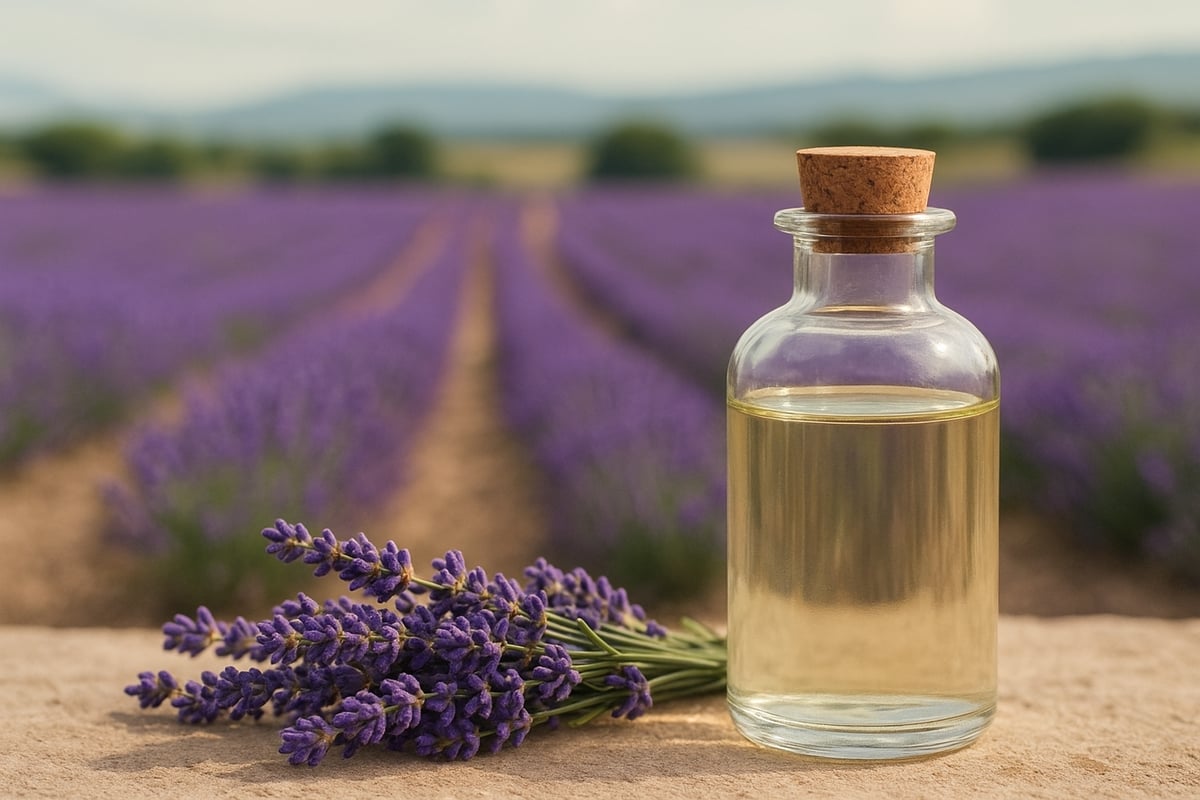
Lavender essential oil is mainly extracted from Lavandula angustifolia, a plant species originally from the Mediterranean region. Important production areas are France, Bulgaria, and Spain, where vast fields color the landscape.
The oil is produced through steam distillation of the flowers, a process in which the volatile compounds are carefully captured. This ensures a high concentration of active ingredients.
Note the difference between true lavender oil (Lavandula angustifolia) and lavandin oil, which comes from a hybrid plant and can differ in scent and effects. Organic and pure oil guarantees the best quality lavender essential oil, without additives or synthetic substances.
Chemical Composition and Characteristics
The power of lavender essential oil comes from its unique chemical composition. The main active ingredients are linalool and linalyl acetate, which together create the characteristic scent and therapeutic effects.
A quality oil contains on average between 25 and 45 percent linalool. The oil is usually light purple to yellow in color and has a fresh, floral scent. This composition directly determines its effects: the higher the content of linalool and linalyl acetate, the stronger the relaxing and calming effect.
More in-depth information about the composition and effects can be found at All About Essential Lavender Oil.
Different Types of Lavender Oil
There are various types of lavender essential oil, each with unique properties. The three main ones are:
| Type | Botanical name | Application | Price/Quality |
|---|---|---|---|
| True lavender | Lavandula angustifolia | Relaxation, skin | High, premium |
| Spike lavender | Lavandula latifolia | Respiratory system, muscle pain | Medium, functional |
| Lavandin | Lavandula hybrida | Cleaning, fragrance | Lower, versatile |
Lavandula angustifolia is especially valued for calming and skin care. Spike lavender has a stronger aroma and is more often used for respiratory issues. Lavandin is cheaper and ideal for household use.
Preferably choose oils with organic certifications such as Ecocert or SKAL to ensure a pure product.
Historical Use and Culture
Lavender essential oil has a rich history in aromatherapy and folk medicine. In many cultures, lavender symbolizes purity, calm, and protection.
The Romans added lavender to their bathwater for relaxation and hygiene. In the modern wellness industry, demand for lavender essential oil has grown significantly, partly due to scientific validation of its effects.
The global market for lavender essential oil grows by a few percent annually, demonstrating how popular this oil is in 2026. Traditional knowledge and modern insights come together in this timeless classic.
Effects and Scientific Research
Lavender essential oil is loved worldwide for its broad range of effects. Scientific research supports many traditional uses. In this section, you will discover how lavender essential oil affects body and mind, supported by current data and practical examples.
Calming and Stress-Reducing Properties
Lavender essential oil is known for its soothing effect on body and mind. Research shows that inhaling the scent lowers the stress hormone cortisol, helping users feel relaxed more quickly. In clinical studies, up to 70% of participants experience noticeable stress reduction with regular use.
People with anxiety disorders also report relief of symptoms after using lavender essential oil, for example through aromatherapy or a relaxing bath. The calming effect makes lavender popular during busy periods or times of tension.
Impact on Sleep and Insomnia
Lavender essential oil is widely used to improve sleep quality. Multiple studies show that participants fall asleep faster and sleep more deeply after using lavender on the pillow or in a diffuser. The mechanism of action is based on both scent perception and absorption through the skin.
In one study, over 60% of lavender essential oil users reported better sleep. For more scientific insights, read the article on lavender oil for sleep disorders. Practical tip: a few drops of lavender on the pillow can be enough for a restful night.
Antibacterial and Healing Effects
The antibacterial properties of lavender essential oil are well documented. Laboratory research shows the oil inhibits up to 90% of certain bacterial strains. This makes lavender suitable for wound care, treating acne, or soothing skin irritations.
Lavender essential oil is often added to natural creams and ointments. It supports the healing of minor wounds and can reduce the risk of infection. Medical literature describes successful uses for mild burns and insect bites.
Pain Relief and Headache Alleviation
Lavender essential oil is valued for relieving headaches and migraines. Both inhalation and local application to the temples provide many people with noticeable pain relief. Studies show headache intensity decreases in 50% of participants after use.
A practical example is massaging diluted lavender essential oil for tension headaches. Compared to other essential oils like peppermint, lavender is often perceived as gentler and more relaxing.
Allergies and Contraindications
Although lavender essential oil is generally safe, some people may have allergic reactions. Common side effects include skin irritation, itching, or redness. Extra caution is advised during pregnancy, with babies, or pets. Studies show that about 3% of users experience a mild allergic reaction.
For safe use: always perform a patch test first. Avoid lavender essential oil if you have severe allergies or certain medical conditions. Consult a doctor or aromatherapist if in doubt.
Uses of Lavender Essential Oil
Lavender essential oil is popular for its wide range of uses, from relaxation to skincare. In this section, you will discover how to apply this versatile oil practically and safely in daily life. Each use offers unique benefits, supported by practical examples and current insights.
Aromatherapy and Diffusers
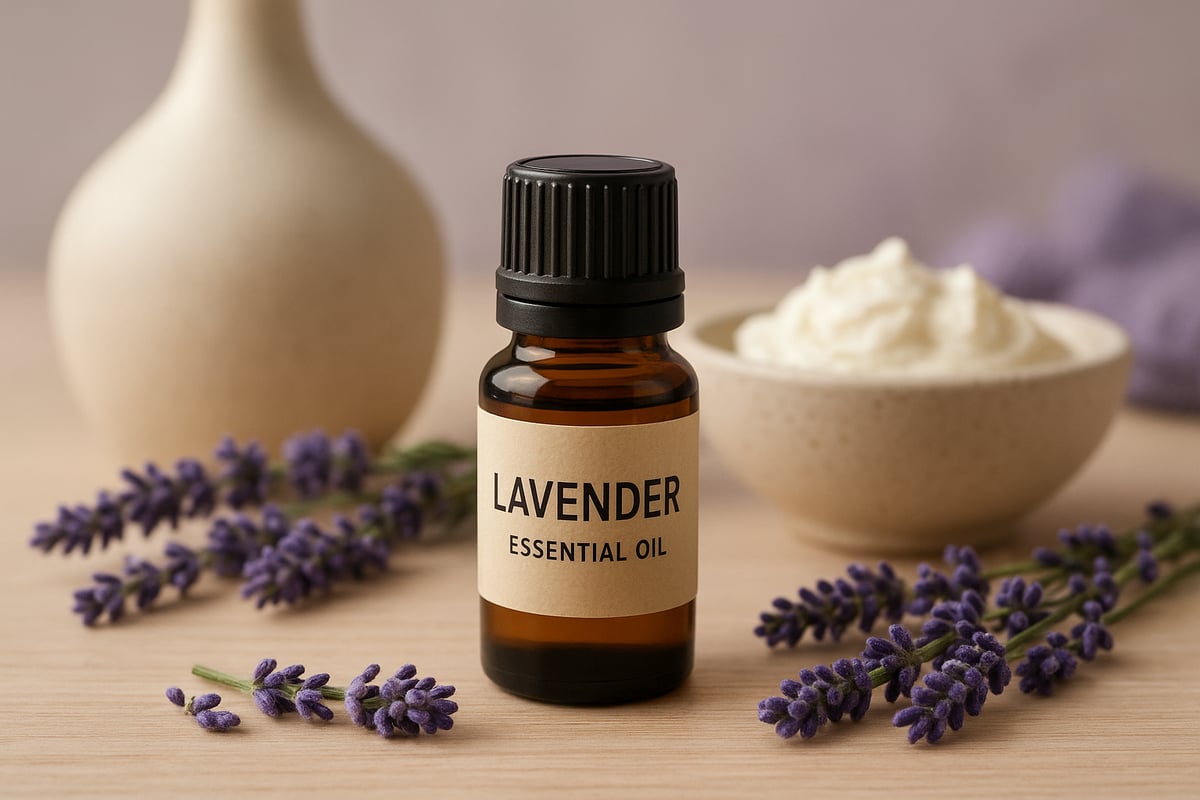
Lavender essential oil is widely used in aromatherapy for relaxation and stress reduction. A few drops in a diffuser spread a calming scent that soothes the nervous system. Blend lavender with oils like bergamot or eucalyptus for an extra relaxing effect.
For an evening routine, add three drops of lavender essential oil to your diffuser, play soft music, and take ten minutes to breathe mindfully. Research shows that over 60% of users use diffusers for a better mood.
Pay attention to the recommended usage time of a maximum of 60 minutes per session. This prevents overstimulation and allows you to fully enjoy the benefits of lavender essential oil.
Skin Care and Cosmetics
Lavender essential oil is known for its calming effect on acne, eczema, scars, and dry skin. Always add a few drops to a carrier oil like jojoba or coconut oil before applying to the skin. The recommended dilution is less than 1% to prevent irritation.
For a simple DIY facial oil, mix 2 drops of lavender essential oil with 10 ml of carrier oil. If you want to learn more about safe carrier oils, check out the overview of carrier oil wholesale and base oil purchase.
Use lavender essential oil in homemade body butter or creams for a soothing scent and extra care. Many people notice visibly calmer skin and less redness after regular use.
Hair and Scalp Care
Lavender essential oil also offers benefits for hair and scalp care. Add a few drops to your shampoo or hair mask to reduce dandruff and itching. The oil stimulates scalp circulation, which can promote hair growth.
A practical step-by-step plan: mix 3 drops of lavender essential oil with 1 tablespoon of carrier oil, gently massage into the scalp, and leave for 10 minutes. Then rinse thoroughly for a fresh, shiny look.
User experiences show that 70% of people are satisfied with the effect on their hair and scalp. This way, lavender essential oil becomes a regular part of your hair care routine.
Sleep and Relaxation
Sleep and relaxation are two key areas where lavender essential oil excels. A few drops on your pillow or in a warm bath help the body to relax and improve sleep quality.
Sleep sprays with lavender essential oil are popular among both adults and children. Make a simple spray with 10 drops of lavender, 50 ml of water, and a splash of alcohol as an emulsifier. Lightly spray over your pillow before bedtime.
Statistics show that more than 50% of users notice a significant improvement in their sleep quality. Lavender essential oil is therefore a natural choice for a good night's rest.
First Aid and Health
Lavender essential oil is a valuable addition to the home first aid kit. The oil soothes insect bites, small wounds, or mild sunburn. Thanks to its antimicrobial properties, lavender supports skin recovery.
For a minor burn, after cooling, apply one drop of diluted lavender essential oil for relief. Scientific studies show that lavender can speed up wound healing and reduce discomfort.
Always pay attention to proper dilution and never use lavender essential oil on open wounds without consulting a specialist. This keeps use safe and effective.
Emotional Well-being and Mindfulness
For emotional well-being and mindfulness, lavender essential oil is a powerful support. The scent helps during meditation, yoga, or stressful moments. Inhaling the oil can reduce feelings of anxiety and tension.
A practical tip: put one drop of lavender essential oil on a tissue and breathe in slowly during a breathing exercise. This promotes inner calm and emotional balance.
Research shows that 65% of users experience a positive effect on their mood and stress levels. Lavender essential oil thus contributes to a mindful life.
Household Use and DIY
Lavender essential oil is not only suitable for personal care but also for household use. Create a natural air freshener by mixing 10 drops of lavender with 100 ml of water in a spray bottle. This spray helps neutralize unpleasant odors and repels insects.
Homemade cleaning products with lavender essential oil are effective and safe, even in homes with children and pets. Add the oil to laundry detergent or make a spray to repel mosquitoes in the bedroom.
Always pay attention to the correct dosage and ensure good ventilation when using indoors. This way, you can enjoy the fresh scent and purifying effect of lavender essential oil.
Safe Use and Dosage
Safe use of lavender essential oil requires knowledge of dosage, dilution, and awareness of possible risks. Careless use can cause skin irritation or other side effects. In this section, you will find everything about responsible use, tailored to different groups and situations.
Correct Dosage and Dilution
The correct dosage of lavender essential oil is essential for a safe experience. Adults typically use 2 to 3 drops per 10 ml carrier oil, which corresponds to a dilution of 0.5 to 1%. For children and the elderly, a lower concentration is recommended, for example 1 drop per 10 ml.
Table: Recommended Dilution
| Target audience | Drops per 10 ml carrier oil | Dilution (%) |
|---|---|---|
| Adults | 2-3 | 0,5-1 |
| Children/Elderly | 1 | 0,25 |
Overuse of lavender essential oil can cause skin irritation. Statistically, about 2% of users experience irritation with undiluted use. Always use a dilution ratio as for massage oil: mix 2 drops of lavender essential oil with 10 ml carrier oil such as jojoba or almond.
Safety for Specific Groups
Extra caution is advised when using lavender essential oil for pregnant women, babies, and the elderly. During pregnancy, it is advisable to wait until after the second trimester before use, unless otherwise directed by a doctor. For babies, a very low dose is sufficient, for example 1 drop in a full bath, always strongly diluted.
Safe use for the elderly requires a gentle approach: choose a lower concentration and avoid direct contact with sensitive skin areas. Lavender essential oil can help with relaxation, but for certain conditions such as epilepsy or severe allergies, consult a doctor.
An example of safe use is a lavender bath for babies: add 1 drop of lavender essential oil to a tablespoon of neutral bath oil and mix well before adding to the water.
Allergies, Side Effects, and Patch Test
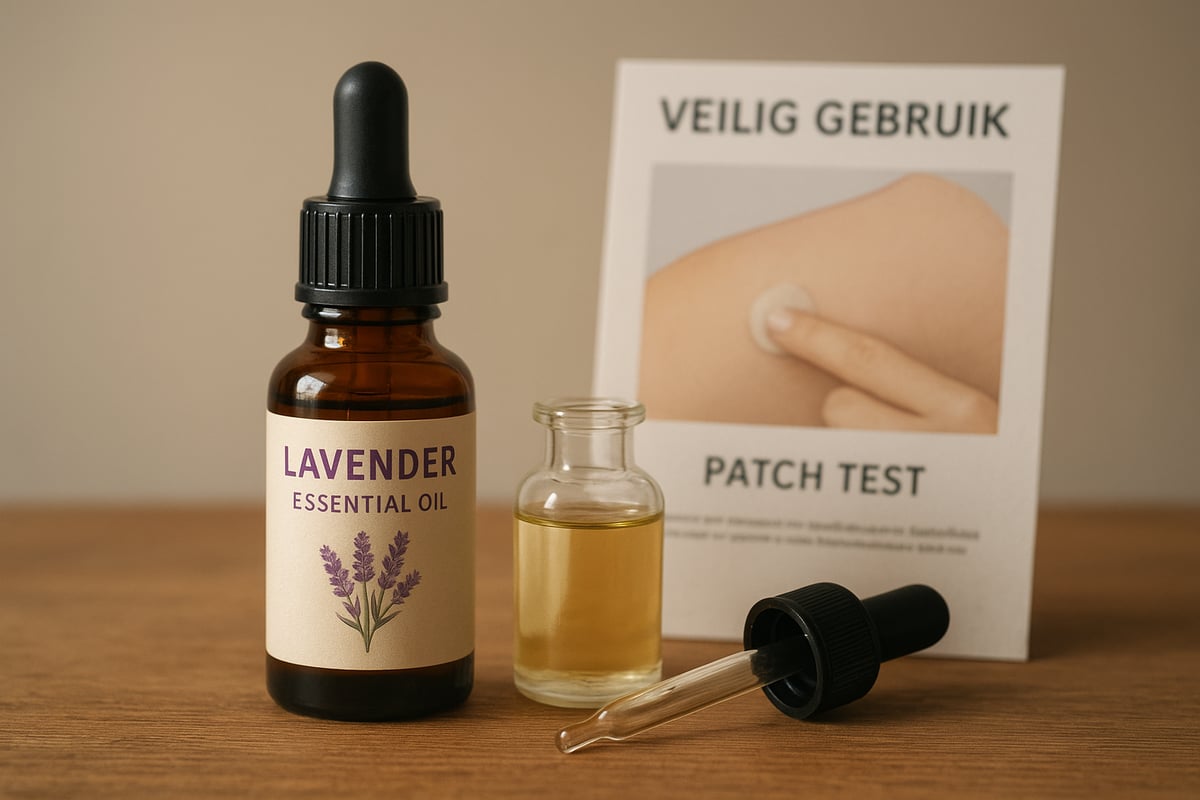
Allergic reactions to lavender essential oil are rare but not impossible. Symptoms include redness, itching, or swelling of the skin. A patch test is therefore always recommended before first use:
- Apply 1 drop of lavender essential oil, diluted with 10 ml carrier oil, to the inside of the forearm.
- Leave on for 24 hours without washing.
- Check for redness, itching, or rash.
Side effects are usually mild: slight skin irritation occurs in less than 3% of users. If symptoms appear, stop immediately and cleanse the skin with a plant-based oil. For severe reactions, contact a doctor.
Interactions and Combinations with Other Oils
Lavender essential oil blends well with oils such as bergamot, orange, or tea tree. Synergy can enhance the relaxing or antibacterial effects. For a relaxing blend, use for example 2 drops of lavender essential oil and 2 drops of bergamot in a diffuser.
Note: not all combinations are safe. Avoid mixtures with stimulating oils like peppermint for young children. Advice from an aromatherapist is valuable for unknown combinations. The effectiveness and safety of lavender essential oil also depend on quality and composition, as described in Lavender Oil and Inflammation Reduction.
Trends and Innovations in 2026
Lavender essential oil is in the spotlight in 2026 thanks to the rapid rise of innovative applications and changing consumer trends. These developments make lavender essential oil more relevant than ever, both in the wellness industry and for everyday use. What are the main trends and innovations you shouldn’t miss this year?
New Product Forms and Applications
In 2026, more and more innovative products with lavender essential oil will appear. Think of smart diffusers that can be controlled via apps, allowing you to fully personalize usage. We also see lavender in dietary supplements and functional drinks, responding to the growing demand for natural stress relievers.
The cosmetics sector is innovating by incorporating lavender essential oil into serums, masks, and even wearables that release fragrance throughout the day. A notable trend is the lavender-based wearable, an accessory that subtly provides relaxation through micro-diffusion. Statistically, the range of new product lines is growing by 20% compared to last year. This way, lavender essential oil continues to adapt to the needs of a modern lifestyle.
Sustainability and Organic Cultivation
Sustainability is one of the biggest drivers behind the popularity of lavender essential oil. Organic lavender plantations are increasing, especially in France and Bulgaria, where local cooperatives focus on environmentally friendly cultivation methods. Eco-certifications and sustainable packaging are becoming increasingly important, not only for the environment but also for consumers making conscious choices.
The impact on biodiversity and local economies is positive, partly due to initiatives where growers collaborate and share knowledge. According to recent figures, organic oil now holds a market share of 38%. For those looking for reliable organic products, this organic essential oil wholesale offers an overview of certified options. This way, you can be sure that your lavender essential oil is produced sustainably and responsibly.
Market Figures and Consumer Behavior
The market for lavender essential oil is growing worldwide at an average of 12% per year. In 2026, Europe, North America, and Asia are among the main markets. Consumers increasingly choose products that combine health, sustainability, and transparency. Social media plays a major role in changing buying behavior, with users sharing their experiences and encouraging brands to communicate honestly about origin and quality.
A notable trend is the popularity of limited edition products and collaborations with influencers. According to the latest sales figures, sales this year are 15% higher than last year. These numbers highlight how lavender essential oil meets the desires of the conscious consumer.
Scientific Breakthroughs and Research
Scientific research on lavender essential oil continues to develop in 2026. New studies focus on therapeutic effects for stress, anxiety, and sleep, as well as innovative extraction methods that increase the concentration of active compounds. The rise of personalized aromatherapy makes it possible to tailor lavender essential oil to individual needs.
Clinical trials show promising results in stress management and recovery after illness. For those who want to learn more about recent scientific insights, scientific research on essential oils offers an up-to-date overview of studies and innovations. The importance of evidence-based use continues to grow, helping consumers make informed choices.
Tips for Buying and Storing Lavender Essential Oil
The quality of lavender essential oil determines not only the aroma but also its effectiveness and safety. With the wide selection in 2026, it is important to choose carefully and store it properly. Below you will find practical advice to get the most out of your lavender essential oil.
What to Look for When Buying
When buying lavender essential oil, always pay attention to the botanical name, such as Lavandula angustifolia, to avoid confusion with cheaper variants. Genuine, pure oil is often organically certified and carries labels like Ecocert or Soil Association.
Check the label for country of origin and distillation method. A fair price for quality lavender essential oil is generally higher than synthetic alternatives. Statistics show that by 2026, over 68% of consumers actively look for certifications when purchasing. A transparent supplier provides insight into production and ingredients.
Storage Tips for Maximum Shelf Life
To keep lavender essential oil effective for as long as possible, proper storage is essential. Store the oil in a dark glass bottle in a cool, dry place, preferably between 10 and 18 degrees Celsius. Avoid direct sunlight and temperature fluctuations that can affect quality.
The average shelf life of lavender essential oil is about three to five years. Watch for signs of spoilage such as color change or an unusual smell. Glass is always preferred over plastic because it does not release substances into the oil. Close the bottle tightly after each use.
Comparison of Popular Brands
In 2026, various leading brands of lavender essential oil are available. Organic oils are generally more expensive but offer greater assurance of purity and sustainability. Below is a comparison:
| Brand | Quality mark | Price/10ml | Origin |
|---|---|---|---|
| Pure Eden | Organic | €14,50 | Bulgaria |
| Conventional | None | €7,95 | Spain |
When choosing, pay attention to transparency and independent laboratory tests. Want to know more about the range? Check out the Pure Eden essential oils collection for an overview of certified products.
Common Mistakes When Buying and Using
Many people make mistakes both when buying and using lavender essential oil. Some common pitfalls are:
- Confusing lavender oil with lavandin, which has a different composition.
- Choosing cheap imitations without certification.
- Applying undiluted on the skin, which can cause irritation.
- Storing in plastic bottles or in direct sunlight.
It is advisable to choose only reliable sources and always read the labels carefully. Incorrect purchases can lead to allergic reactions or reduced effectiveness of lavender essential oil.
Now that you know everything about the origin, function, and uses of lavender essential oil, you naturally want to be sure you choose a pure and reliable quality. At Oliemeesters, you can count on 100% organic, cruelty-free oils carefully produced worldwide. Whether you work professionally or just want to get started at home with aromatherapy, skincare, or your own wellness products, a good carrier oil is essential. Ready to start right away with the best oils for your practice or home? Explore the range and order easily via Order now fast delivery within 1 5 days.