

Looking for a natural solution for skin problems, haircare, or household uses? In 2026, tea tree oil remains the favorite for those who value health and sustainability.
More and more people are choosing tea tree oil because of its unique benefits and proven effectiveness. From soothing the skin to cleaning your home, the applications are wide and versatile.
This guide offers you a complete, up-to-date overview of tea tree oil. You will discover its origin, scientific facts, practical uses, health benefits, instructions for use, safety, and the latest trends in 2026.
Want to know how to use tea tree oil safely and effectively? Read on and get the most out of this powerful natural oil.
What is Tea Tree Oil? Origin and Composition
Tea tree oil is a powerful essential oil extracted from the leaves of Melaleuca alternifolia, a shrub native to Australia. This oil is known for its fresh, spicy scent and versatile uses in skincare, haircare, and household products.
The history of tea tree oil dates back to the Aboriginal people in Australia. They have used the leaves for centuries to treat wounds and skin conditions. Tea tree oil only became popular outside Australia in the twentieth century thanks to the rise of natural remedies.
Tea tree oil is produced through steam distillation. In this process, the leaves and young twigs of Melaleuca alternifolia are heated with steam, releasing the volatile oils. The result is a clear to pale yellow oil with a characteristic scent.
The chemical composition of tea tree oil is unique. The main active ingredient is terpinen-4-ol, which is responsible for many of its antimicrobial properties. Other components include cineole, alpha-terpineol, and gamma-terpinene. This unique mix gives tea tree oil a broad spectrum of action.
Not all tea tree oils are the same. The difference between pure and diluted oil is essential for safe use. Pure oil contains only the natural components of Melaleuca alternifolia, while diluted versions are often mixed with carrier oils. Additionally, the range of organic tea tree oil is growing, focusing on environmentally friendly cultivation and processing.
When purchasing, it is important to pay attention to quality features such as purity, origin, and any certifications. Organic tea tree oil is becoming increasingly popular due to stricter controls on pesticides and sustainability.
Interest in natural oils in Europe has increased by more than 20% since 2023. Tea tree oil stands out from other essential oils due to its powerful antibacterial and antifungal effects. By comparison: lavender oil is mainly used for its calming scent, while eucalyptus oil is known for its refreshing effect on the respiratory system.
Research confirms that tea tree oil is effective against various bacteria and fungi. For an in-depth explanation of the broad-spectrum antimicrobial action, including recent studies, read more at Antimicrobial properties of tea tree oil.
Below is an overview of unique properties of popular essential oils:
| Oil | Unique property | Application |
|---|---|---|
| Tea tree oil | Antibacterial, antifungal | Skin, hair, household |
| Lavender oil | Calming, relaxing | Sleep, stress |
| Eucalyptus oil | Refreshing, invigorating | Respiratory system |
Tea tree oil remains one of the most versatile and researched essential oils in 2026, both in skincare and health.
Health benefits of Tea Tree Oil
Tea tree oil is known for its versatile health benefits supported by both user experience and science. This essential oil is globally recognized as a powerful natural remedy for various skin and hair issues.
Overview of proven benefits
Numerous studies show that tea tree oil has unique properties. Below is an overview of the most researched uses and their effectiveness:
| Application | Property | Scientific evidence |
|---|---|---|
| Acne | Antibacterial, anti-inflammatory | Strong |
| Athlete's foot | Antifungal | Good |
| Eczema, psoriasis | Anti-inflammatory | Moderate |
| Small wounds | Skin repair, disinfecting | Good |
| Cold, cough | Relieving, antiseptic | Moderate |
| Head lice, dandruff | Insecticide, soothing | Moderate |
The active compounds in tea tree oil, such as terpinen-4-ol, are responsible for this powerful effect. Especially the antibacterial and antifungal properties are well supported by scientific literature.
Antibacterial and antifungal action
One of the most valued uses of tea tree oil is the treatment of acne and other skin problems. Due to its antibacterial effect, the oil helps reduce bacteria on the skin, allowing inflammations and pimples to heal faster. It is therefore no surprise that tea tree oil is often used in the care of impure skin.
Tea tree oil also shows good results for athlete's foot and nail fungus. The oil can inhibit the growth of fungi and reduce symptoms such as itching and redness. Regular use contributes to visibly healthier skin.
Anti-inflammatory properties
Besides its antibacterial effect, tea tree oil is known for its anti-inflammatory properties. This makes the oil suitable for people with eczema or psoriasis. By applying it locally to the affected skin, redness and irritation can be reduced.
In a 2024 consumer survey by Kruidvat, no less than 75% of users reported improvement in skin problems after using tea tree oil. This highlights the trust in the natural power of this oil.
Skin recovery and wound healing
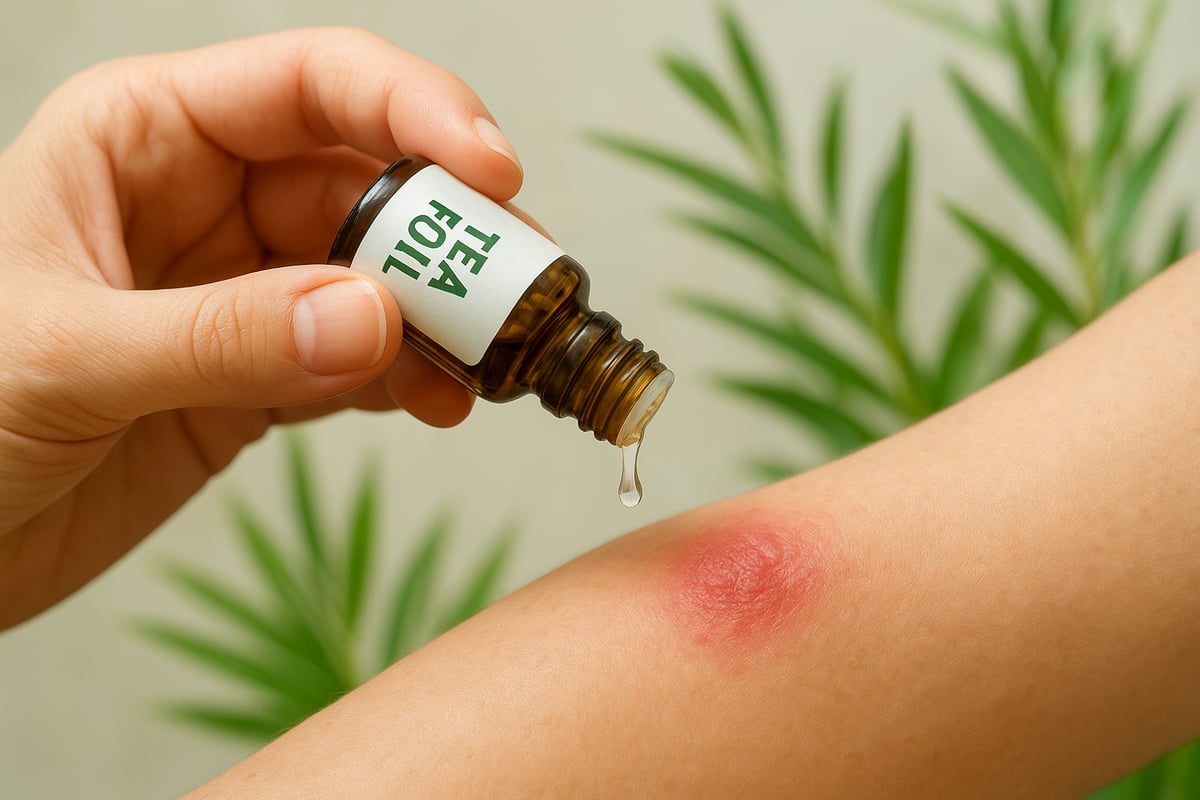
Tea tree oil is regularly used to speed up the healing process of small wounds, scrapes, or insect bites. The oil works as a disinfectant and supports skin recovery. By applying a few drops of diluted oil to the wound, you reduce the chance of infections and promote faster healing.
Use for respiratory complaints
Tea tree oil is also used for respiratory complaints such as colds, coughs, or a blocked nose. By vaporizing the oil or adding it to a steam bath, many people experience relief from their symptoms. The fresh scent helps open the airways and can provide a freer feeling when breathing.
Use against head lice and dandruff
In hair care, tea tree oil is popular for its effect on dandruff, itchy scalp, and head lice. By adding a few drops to shampoo or hair mask, you can soothe your scalp and reduce the chance of flakes. Some studies show that tea tree oil can even disrupt the life cycle of head lice.
Case study: successful acne treatment
A young adult with persistent acne tried various products without success. After applying diluted tea tree oil daily to the problem areas, he saw a clear reduction in inflammation and pimples after four weeks. This real-life example aligns with the positive experiences shared by many users.
Critical note
Although many benefits of tea tree oil are well supported, not every health claim is equally strongly backed by science. Especially with chronic skin conditions or severe complaints, it is wise to use the product as a supplement and consult a doctor if in doubt.
If you want to read more about the specific benefits of tea tree oil in skincare, check out the expert advice at Tea tree oil in skincare.
Practical Use: How to Use Tea Tree Oil Safely?
Safe use of tea tree oil is essential to fully benefit from its advantages without the risk of irritation. Pure tea tree oil is potent and can damage the skin if used incorrectly. Therefore, it is important to always follow the proper steps and dilute the oil well.
Why Dilution Is Important
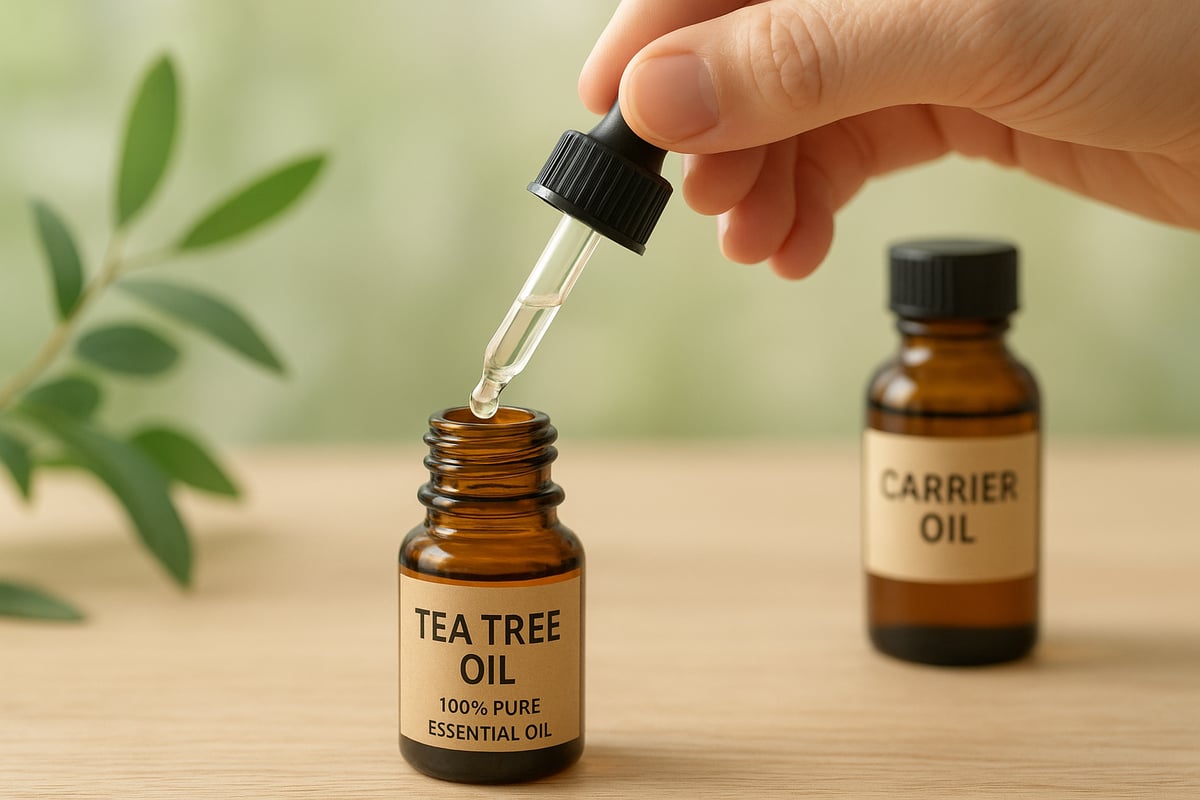
Tea tree oil contains concentrated active ingredients. Applying it undiluted can cause redness, itching, or even allergic reactions. Dilution is especially necessary for sensitive skin or children. Always use a suitable carrier oil, such as jojoba or almond oil, for safe application. For an overview of suitable carrier oils, see carrier oils for diluting essential oils.
Recommended Dilutions
Below you will find a handy overview of recommended dilutions of tea tree oil for different applications:
| Application | Tea Tree Oil (%) | Carrier Oil (%) |
|---|---|---|
| Facial Skin | 1 | 99 |
| Body Skin | 2 | 98 |
| Scalp/Hair Mask | 3 | 97 |
| Aromatherapy | 5 | 95 |
Note: for children and people with sensitive skin, always start with a lower concentration.
Step-by-step Plan: Safe Use of Tea Tree Oil
Follow the step-by-step plan below to use tea tree oil safely:
-
Perform a patch test
Apply a diluted drop to the inside of the elbow. Wait 24 hours to check for a reaction. -
Determine the correct dosage
Use the table above as a guideline for the amount of tea tree oil and carrier oil. -
Apply to the desired area
Apply the mixture with clean hands or a cotton swab to the skin, hair, or scalp. -
Repeat according to the recommended frequency
Maximum twice a day, depending on the application. -
Watch for side effects
Stop immediately if redness, itching, or swelling occurs. Consult a doctor if in doubt.
DIY Disinfectant Spray
Easily make a natural disinfectant spray with tea tree oil:
- 100 ml water
- 10 drops tea tree oil
- 10 ml alcohol (optional, for extra disinfection)
- 1 teaspoon vinegar
Mix all ingredients in a spray bottle and shake well. Use on surfaces or hands, but avoid contact with the eyes.
Important Safety Instructions
Never use tea tree oil internally. Keep the oil out of reach of children. In case of an allergic reaction or persistent irritation, rinse immediately with water and seek medical advice. Be extra cautious during pregnancy, breastfeeding, or with chronic skin conditions.
With these practical guidelines, you can get the most out of tea tree oil in a safe and responsible way.
Safety, Side Effects, and Contraindications
The safe use of tea tree oil requires attention and knowledge. Despite its natural origin, tea tree oil is potent and can cause problems if used incorrectly. Therefore, it is crucial to always consciously choose quality and carefully read the label.
Possible Side Effects
Although tea tree oil is known for its versatile effects, some users experience side effects. These include skin irritation, redness, or a burning sensation, especially with improper use. Recent research shows that 5 to 7 percent of users report mild skin irritation when applying undiluted tea tree oil directly. Allergic reactions are less common but possible, especially in people with sensitive skin.
A patch test is therefore always recommended. Apply a small amount of diluted tea tree oil to the inside of your forearm and wait 24 hours. If no reaction occurs, you can usually use the product safely.
Contraindications and Interactions
Tea tree oil is not suitable for everyone. Do not use it on children under 2 years old or during pregnancy unless advised otherwise by a doctor. Also, tea tree oil is toxic if ingested and can cause nausea, vomiting, or even neurological symptoms. Never swallow it.
Combining tea tree oil with other skin products or medications requires caution. Some substances can enhance each other's effects or cause unwanted reactions. Consult a dermatologist or pharmacist if in doubt.
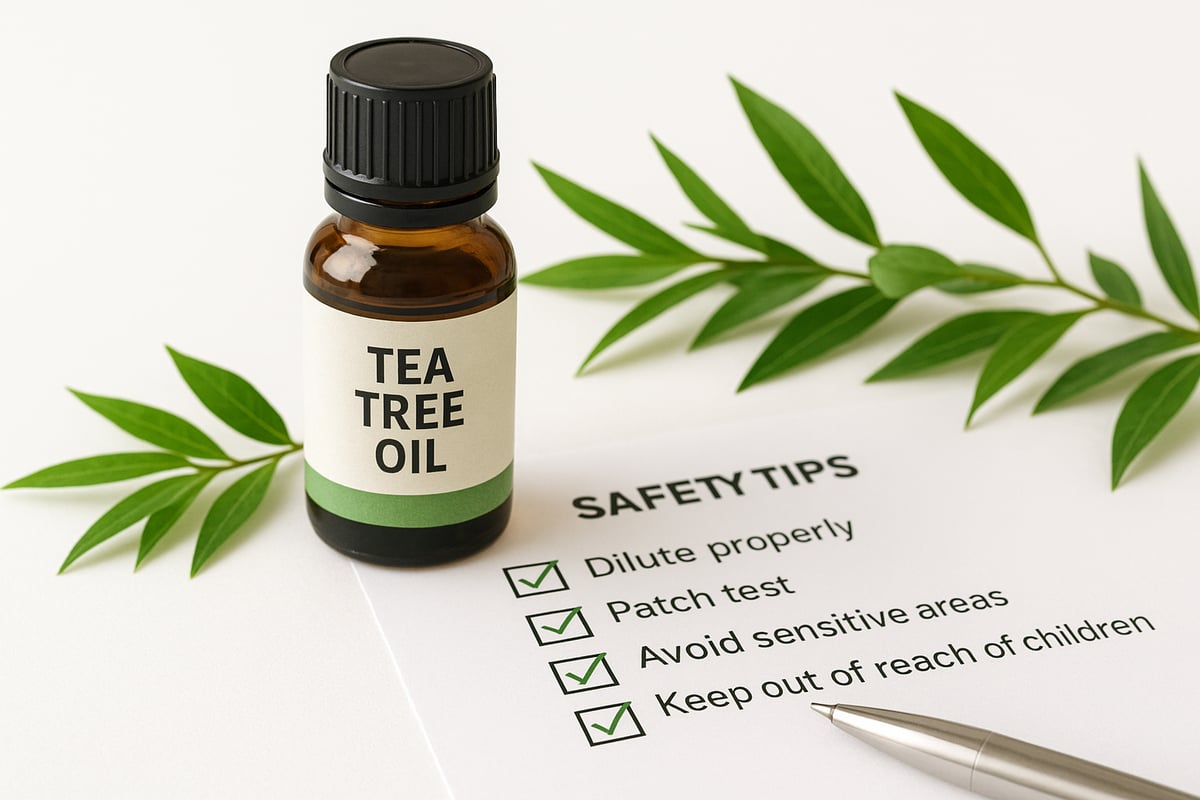
Checklist for Safe Use
A structured approach helps limit risks. Below is a handy checklist for the whole family:
- Always buy pure, preferably organic tea tree oil from a reliable source.
- Read the label carefully and check for certifications.
- Always dilute tea tree oil with a suitable carrier oil.
- Perform a patch test before applying the product more widely.
- Keep tea tree oil out of reach of children.
- Do not use synthetic variants, as these can cause more side effects.
- Always follow the recommended dosage and frequency.
Want to learn more about correct dosages and safe use of tea tree oil? Then check out the Safe Use of Tea Tree Oil for practical guidelines.
Following these tips reduces the chance of side effects and increases the enjoyment of using tea tree oil. This way, you can fully benefit from the power of this natural oil within safe limits.
Choosing and Storing: What to Look for When Buying Tea Tree Oil?
Choosing the right tea tree oil requires attention to quality, origin, and sustainability. The market is growing rapidly and the selection varies greatly, so consumers need to be critical when purchasing.
Quality Differences: Organic, Conventional, and Certifications
Not all tea tree oil is the same. Organic varieties are grown without synthetic pesticides and often carry certifications such as Ecocert or the EU organic logo. Conventional oil may contain residues and sometimes lacks transparency about the origin.
| Feature | Organic | Conventional |
|---|---|---|
| Cultivation method | Without pesticides | Possible pesticides |
| Quality mark | Yes | Not always |
| Price | Higher | Lower |
| Origin | Transparent | Sometimes unknown |
When purchasing, look for a clear indication of the certification on the label. According to research, 80% of consumers now pay attention to certification when buying tea tree oil (source: H&B 2025).
Where to Buy: Reliable Retailers
Always choose a reliable supplier. Pharmacies and health food stores often offer certified products. Online, you can find specialized webshops. Want to be sure of pure, organic quality? Then check the selection at Buy Organic Tea Tree Oil for transparent information about composition and origin.
Price-Quality Ratio and Recognition of Counterfeit Oil
The price of tea tree oil says a lot about the quality. Pure, organic oil is more expensive but offers more certainty about the composition. Note: extremely low prices may indicate diluted or counterfeit oil. Always check the ingredient list, batch number, and origin. Smell the oil: a sharp, fresh scent indicates authenticity.
Storage Tips for Optimal Shelf Life
To preserve the effectiveness of tea tree oil, it is important to store the product in a cool, dark, and airtight place. Always use the original bottle with dropper and close tightly after use. Avoid direct sunlight and do not store in humid areas like the bathroom.
Checklist: What to Look for When Buying Tea Tree Oil?
- Is there an organic certification on the label?
- Is the botanical name (Melaleuca alternifolia) listed?
- Are ingredients and batch number clearly indicated?
- Is the oil packaged in dark glass?
- Does the oil come from a reliable supplier?
Choose sustainability consciously. Organic cultivation supports biodiversity and guarantees minimal environmental impact. Always critically examine certifications and origin for a responsible choice.
Frequently Asked Questions About Tea Tree Oil in 2026
Do you have questions about tea tree oil? You are not alone. In 2025, these questions were the most frequently asked at Dutch drugstores. Below you will find current answers based on the latest insights.
Is tea tree oil safe for children?
Tea tree oil should not be used undiluted on the skin of young children. For children over two years old, strongly diluted use is possible, but always consult a doctor first. Avoid contact with eyes and mouth.
Can I use tea tree oil during pregnancy?
Using tea tree oil during pregnancy is not recommended. There is insufficient research on its safety. Always consult a doctor before using essential oils during this period.
How long does tea tree oil last?
Properly stored tea tree oil is generally good for up to three years. Keep the bottle dark, cool, and airtight to preserve its effectiveness. Watch for changes in smell or color as signs of spoilage.
Can I combine tea tree oil with other oils?
Yes, tea tree oil is often mixed with other natural oils, such as jojoba or lavender. This enhances the effect and reduces the chance of irritation. For example, check out the popular essential oils overview for combinations.
Does tea tree oil really help against pimples?
Scientific research shows that tea tree oil can purify the skin and help reduce acne. About 75% of users report skin improvement after regular use.
How often can I use tea tree oil?
The frequency depends on the application. For skin issues, it is usually 1 to 2 times a day, always diluted. Monitor the skin carefully and stop if irritation occurs.
Where can I find reliable tea tree oil in the Netherlands?
Buy tea tree oil at a pharmacy, health food store, or through a reliable webshop. Look for quality marks and preferably choose organic varieties with clear origin.
What are the latest trends around tea tree oil?
In 2026, tea tree oil remains popular in natural skincare and DIY products. There is also increased focus on sustainable cultivation and organic certification. According to recent market data, tea tree oil ranks among the top three most used essential oils in the Netherlands.
Do you have more questions about tea tree oil? Always consult an expert if in doubt or if you have specific health concerns.
Now that you know exactly how to use tea tree oil safely and effectively in 2026, you naturally want to be sure of the quality you bring into your home. At Oliemeesters, you choose 100% pure, organic oil produced with respect for people and nature. Whether you are working professionally or experimenting at home with DIY recipes, a reliable source makes all the difference for your skin, hair, and household. Want to get started right away with high-quality oils for your needs? Order now – fast delivery within 1 to 5 days