

Discover how essential oils can enrich your daily life in 2026. More and more people are choosing natural solutions, and essential oils are more popular than ever.
This guide offers a complete overview of uses, benefits, and trends around essential oils. You will learn what essential oils are, which types are most popular, how to use them safely, and what innovations to expect.
Do you want to benefit from the power of natural scents and wellness? Read on and discover practical tips you can start using right away.
What Are Essential Oils?
Essential oils are indispensable in daily life in 2026. More and more people are discovering the benefits of these concentrated plant extracts. But what makes an essential oil, and how do you recognize quality? In this section, you will learn everything about the origin, effects, and safety of essential oil products.
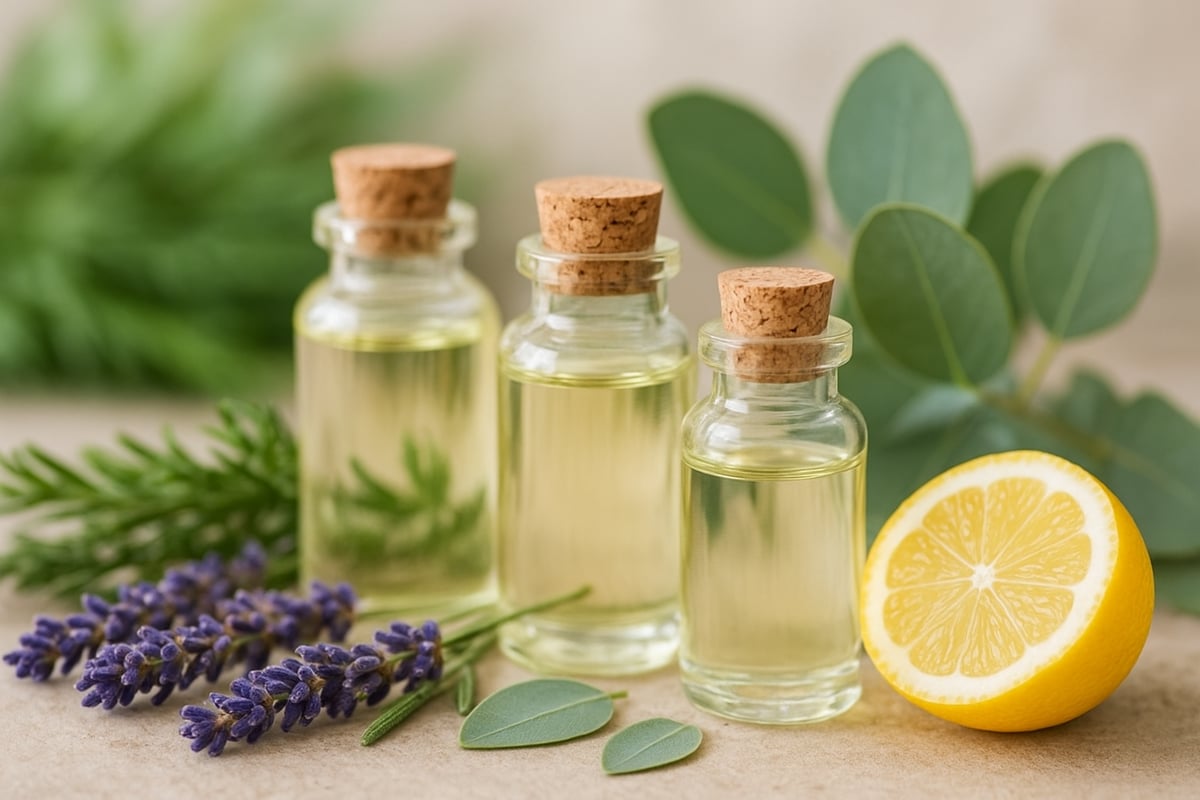
Definition and Origin
Essential oils are volatile, aromatic extracts directly obtained from plants. They contain the unique fragrances and active components of flowers, leaves, peels, or wood. Unlike carrier oils, which are fatty and nourishing, an essential oil is light and evaporates quickly.
The production of essential oils is done through various methods, such as:
- Steam distillation (for lavender, eucalyptus)
- Cold pressing (for citrus fruits)
- CO2 extraction (for sensitive plants)
The history of essential oils goes far back. Ancient Egyptians already used fragrant oils in rituals and medicine. In modern aromatherapy, these oils are indispensable for relaxation, focus, and natural care.
According to recent figures, more and more consumers are choosing natural products. In the Netherlands, essential oil sales increased by 12% in 2023. This illustrates the growing awareness around health and sustainability.
Main Properties and Effects
Essential oils are popular because of their versatile properties. They are used for aromatic purposes, therapeutic effects, and cosmetic care. Well-known examples are lavender (relaxing), peppermint (stimulating), and eucalyptus (air-purifying).
Important uses of essential oils:
- Aroma diffusers for scent and ambiance
- Massage oil for relaxation
- Natural skincare
- Air purification and cleaning
There are different quality levels, such as organic, wild-harvested, or conventionally grown. Organic essential oil guarantees a pure product without harmful residues.
A good example is tea tree oil. This essential oil is known as a natural first aid for skin problems, such as minor wounds or irritations. Thanks to its powerful antibacterial properties, tea tree is popular in many households.
Due to their unique effects and scent profiles, each essential oil can contribute to wellness, balance, and vitality.
Safety and Quality
The quality of an essential oil determines safety and effectiveness. It is essential to pay attention to purity and origin. Labels such as organic or Ecocert provide extra assurance about production and composition.
Pay attention to the following quality criteria:
- 100% pure, without synthetic additives
- Botanical name and origin on the label
- Transparent certification
Synthetic or diluted essential oils can cause allergic reactions or be less effective. Organic lemon oil, for example, contains more active ingredients than non-organic variants.
| Quality | Scent strength | Effectiveness | Safety |
|---|---|---|---|
| Organic | Very strong | High | Optimal |
| Non-organic | Less strong | Lower | Uncertain |
For cleaning applications, the difference is clearly noticeable. Want to know more about the benefits? Read more at Citrus Oils for Natural Cleaning.
In short, always choose a high-quality essential oil consciously and check the certificates for safe use.
The Most Popular Essential Oils of 2026
The essential oil market grows every year, and in 2026 certain oils are more popular than ever. More and more people are discovering the benefits of natural extracts for wellness, home, and personal care. Which essential oils are the most loved and why do so many consumers choose these varieties? Below you’ll find a current overview, including trends and points to consider for sustainable choices.
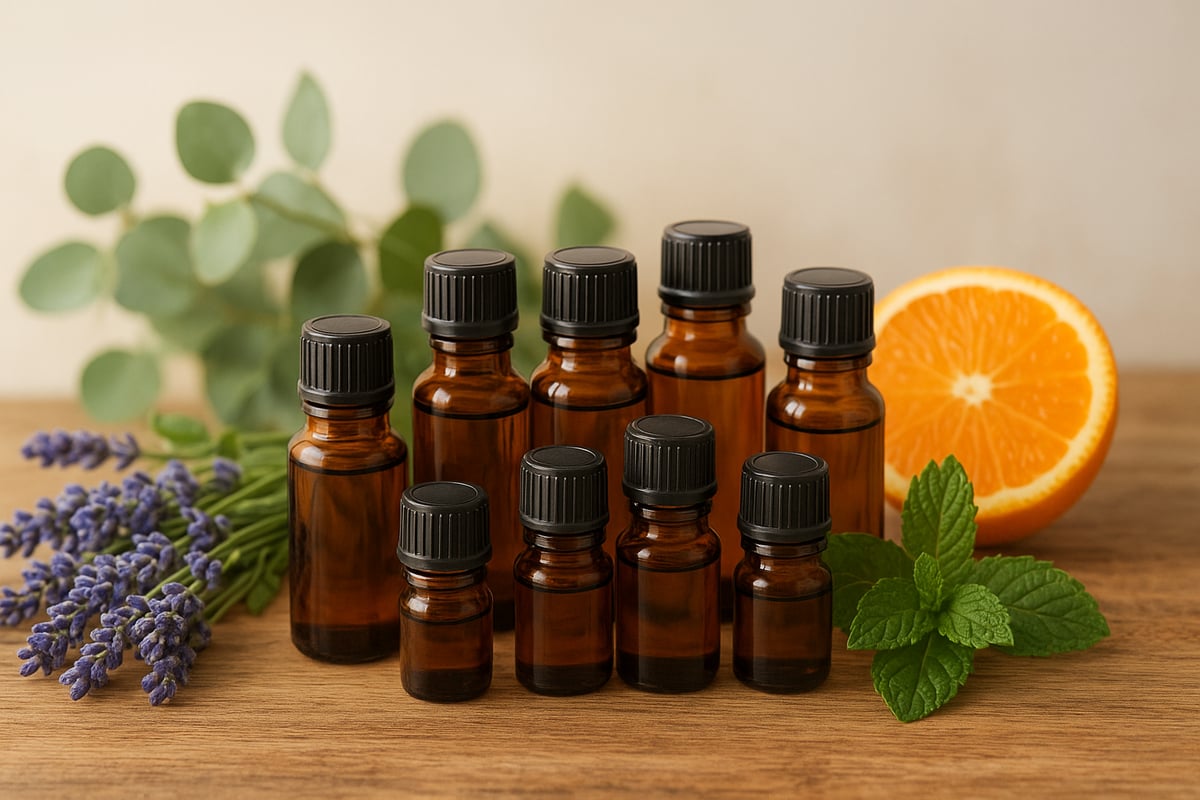
Overview of Top 10 Essential Oils
There are many types of essential oils, but some stand out in popularity and use in 2026. The top 10 consists of:
- Lavender: known for its relaxing effect and versatility.
- Tea tree: versatile, especially for skin care.
- Eucalyptus: refreshing, ideal for colds.
- Orange: uplifting, popular in diffusers.
- Peppermint: cooling, stimulates focus.
- Lemon: fresh and cleansing, often used in the kitchen.
- Bergamot: fruity, mood-enhancing.
- Geranium: floral and balancing.
- Grapefruit: detox and vitality.
- Rosemary: stimulating for concentration and hair care.
This essential oil top 10 is compiled based on sales figures from specialized webshops, with lavender and tea tree among the bestsellers. The demand for these oils grows annually, partly because consumers are choosing natural products more consciously. Essential oils are increasingly used in both households and wellness centers.
Unique Properties and Uses per Oil
Each essential oil in the top 10 has unique properties and uses. Lavender is known for its calming scent and is often used in baths or on pillows for better sleep. Want to learn more about the benefits of this classic? Then check out the Organic Lavender Essential Oil for detailed information.
Tea tree essential oil is popular for its antibacterial effect and is used for skin problems. Eucalyptus provides fresh air purification, ideal for colds or in the sauna. Orange has a sweet, uplifting scent and is a favorite for aroma diffusers.
Peppermint essential oil helps with fatigue and headaches, while lemon is widely used for natural cleaning products. Bergamot and geranium are popular for their positive effects on mood and skin. Grapefruit and rosemary support vitality and focus.
Trends in 2026 include blends tailored to zodiac signs and chakras, as seen with various providers. Essential oils are increasingly combined for personalized wellness.
Importance of Organic and Sustainable Choices
The demand for organic essential oils increases every year. Consumers pay more attention to quality marks, origin, and eco-friendly production. For example, organic orange oil is often chosen for the kitchen because it is guaranteed free of synthetic additives.
Eco-friendly production and sustainable packaging are important trends in 2026. Essential oils are increasingly delivered in recyclable bottles with transparent certification. This aligns with the desire not only to improve personal well-being but also to protect the environment.
Choosing sustainable essential oils means consciously contributing to a healthier world. When purchasing, look for organic labels and reliable suppliers to ensure you bring quality and honesty into your home.
How to Use Essential Oils Safely and Effectively?
Using essential oils safely and effectively requires knowledge, attention, and care. Whether you are just starting or already experienced, it is essential to understand and apply the basic rules. In this section, you will discover practical guidelines, smart applications, and innovations for 2026. This way, you get the most out of your essential oils without risks to health or the environment.
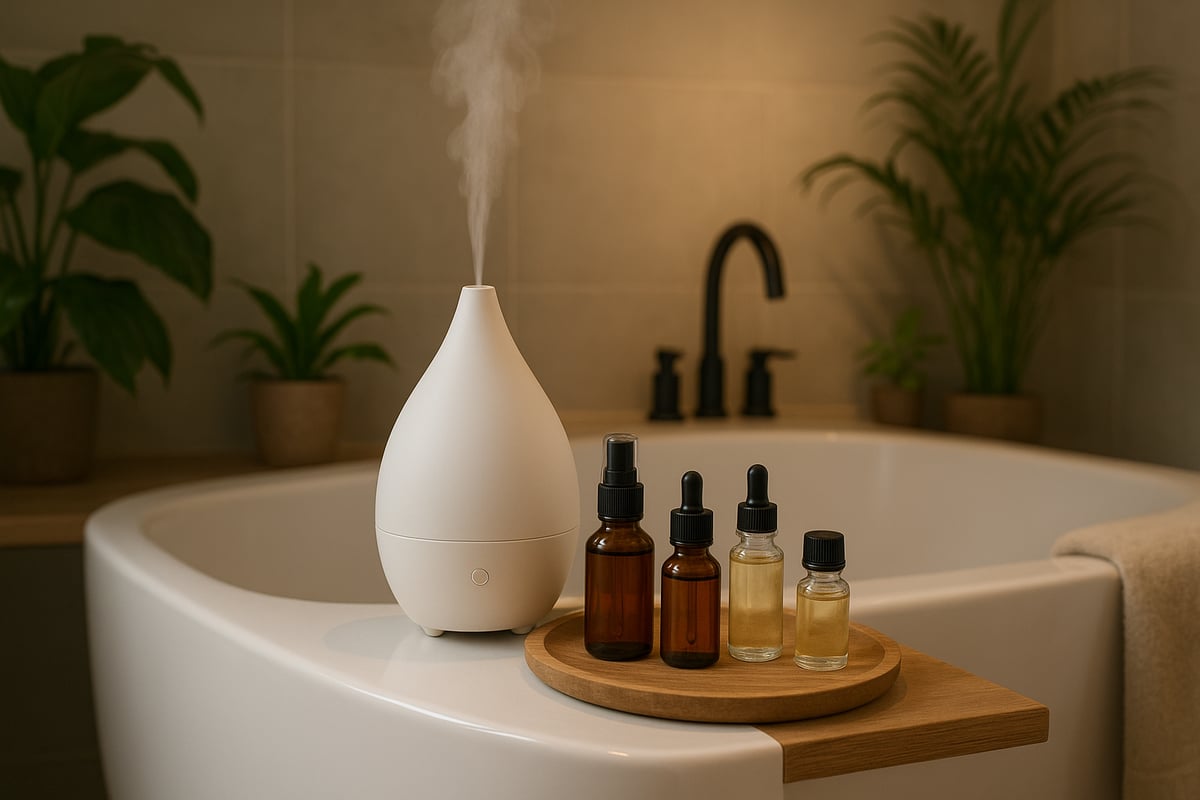
Basic Rules for Safe Use
Using essential oils always starts with safety. Always dilute essential oils with a carrier oil like jojoba or almond oil before applying to the skin. This prevents irritation and allergic reactions. The correct dosage is crucial; usually, a few drops per application are sufficient.
Be extra cautious with children, pregnant women, and pets. Not every essential oil is suitable for these groups. Always read labels and consult an expert if in doubt. Statistics show that 95% of users are satisfied when essential oils are used correctly.
Tea tree oil is a good example. Never use it undiluted on sensitive skin. Want to learn more about safe use? Then consult the Safe Use of Essential Oils for current guidelines and dilution charts.
Always test a small amount of essential oil on the inside of your wrist first. This prevents unexpected reactions. Keep essential oils out of reach of children and pets.
Various Uses in Home and Wellness
Essential oils are versatile and can be used in various ways. Popular uses include aromatherapy diffusers, which spread scents and purify the air. In the bath, a few drops of essential oil mixed with carrier oil provide deep relaxation.
For massages, essential oils are ideal when properly diluted. You can also make your own skincare products or perfumes with essential oils. Lemon oil is popular in cleaning for a fresh and natural result.
Practical example: Add 5 drops of lavender oil to your bathwater (mixed with a tablespoon of carrier oil) for better sleep. Use eucalyptus oil in the diffuser during a cold for a refreshing effect.
DIY enthusiasts make their own room sprays or cleaning products. Essential oils not only provide fragrance but also support well-being.
Dosage, Dilution Ratios, and Blending
The correct dosage of essential oil is essential for safe and effective use. For a diffuser, usually use 3 to 5 drops per 100 ml of water. For skin application, use a dilution ratio of 1-3% essential oil in carrier oil. This means about 2 to 6 drops per 10 ml of carrier oil.
| Application | Number of drops of essential oil | Base/amount |
|---|---|---|
| Diffuser | 3-5 | 100 ml water |
| Massage | 3-6 | 10 ml carrier oil |
| Bath | 5-10 | 1 tablespoon carrier oil |
| Room spray | 10-15 | 100 ml water |
Blending is popular: for example, combine lavender, orange, and geranium for a calming mix. Always store essential oils in a cool, dark place, tightly sealed. This preserves the oil’s potency and fragrance.
For beginners, it is wise to start with simple blends and pay close attention to the dosage. Note your favorite combinations for future use.
Common Mistakes and How to Avoid Them
One of the most common mistakes is applying pure essential oil directly to the skin. This can cause irritation or even allergic reactions. Always use a carrier oil for dilution. Confusion between synthetic and pure essential oils occurs regularly; always choose 100% natural, preferably organic essential oils.
Citrus oils like lemon and orange are phototoxic. Avoid sun exposure after applying to the skin to prevent spots and irritation. Always read the leaflet and check if the essential oil is suitable for your situation.
Also pay attention to the expiration date. Expired essential oils can be less effective or even cause irritation. Avoid these common mistakes and make the most of the benefits of essential oils.
Innovative Use Cases (2026)
In 2026, there are numerous innovative applications for essential oils. Smart diffusers connected to apps enable scent diffusion based on schedules and personal preferences. Personalized oil mixes tailored to your DNA or lifestyle are gaining popularity.
More and more blends are coming to market aimed at specific goals, such as sleep, focus, or immunity. DIY kits with clear instructions and safe mixing ratios are also becoming more popular. Essential oils are thus more accessible to a broad audience.
Sustainable packaging and refill stations contribute to eco-friendly use. These innovations make essential oil use safer, smarter, and more aligned with individual preferences.
Trends & Innovations in Essential Oils for 2026
The world of essential oils is constantly evolving. In 2026, we see a wave of innovation inspiring both professionals and enthusiasts. New products, smart technology, and sustainability set the pace. Consumers are seeking transparency, quality, and ethics in their essential oil choices more than ever.
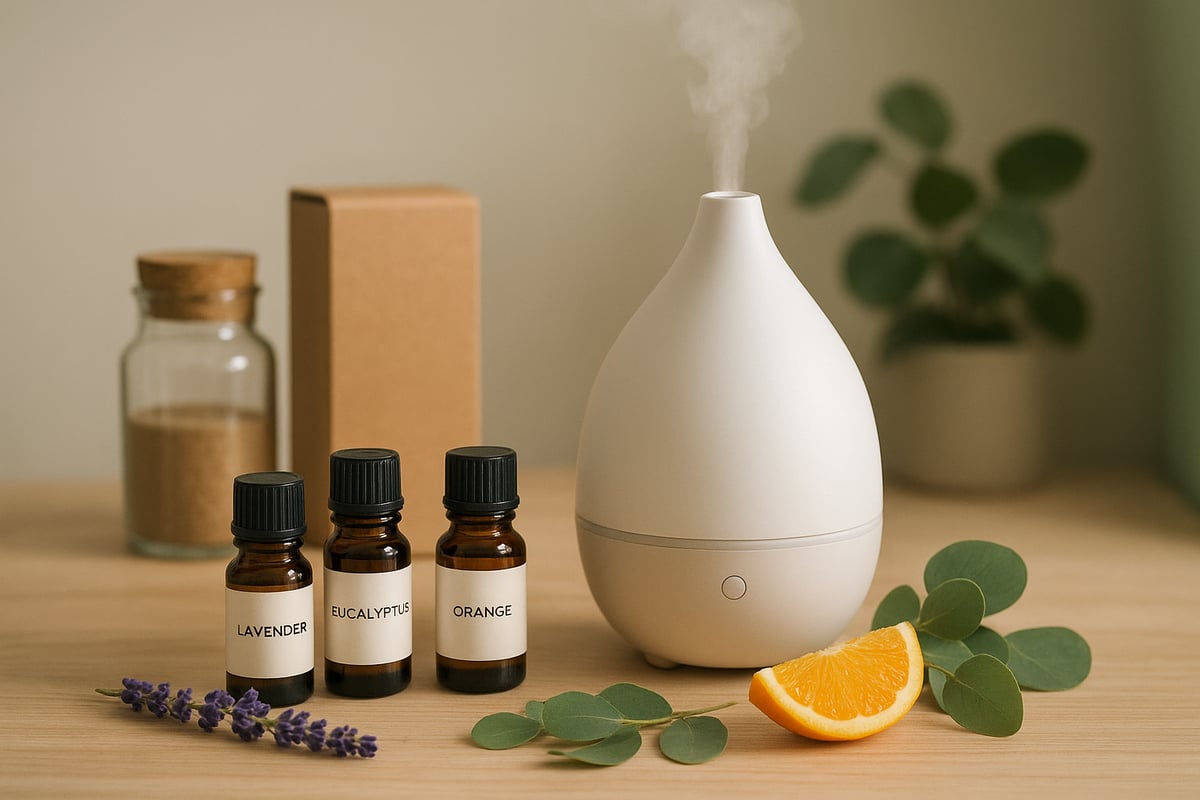
New Products and Blends
In 2026, striking new essential oil blends are on the market. Blends focused on sleep, focus, and immunity are popular, as are mixtures tailored to zodiac signs or chakras. These customized combinations offer users a personal wellness experience.
Astrological and energetic blends attract a growing audience. Think of a blend for the Leo zodiac sign, with sunny citrus and warming spices. Local producers also release unique, organic essential oil products, often with a story about origin and production.
Technological Developments
Technology takes essential oils to the next level. Smart diffusers with app integration allow for complete customization of scents and schedules. Users can set their favorite blends and even automate routines for morning or evening.
Sustainable packaging is another innovation. Reusable bottles, refill stations, and recyclable materials are becoming the norm. Additionally, QR codes on packaging provide direct access to origin information and certificates of essential oil products. This transparency increases consumer trust.
Market Growth and Consumer Behavior
The market for essential oils continues to grow. Worldwide demand increases annually by 8 to 10 percent. Consumers increasingly choose natural wellness, aromatherapy, and holistic self-care. Companies also discover the power of essential oils, for example in private label products or wellness concepts.
According to the Essential Oils Market Growth 2026 report, this trend is expected to continue in the coming years. B2B partnerships and innovative applications, such as personalized blends, create a dynamic market that responds to the needs of different target groups.
Sustainability and Ethical Production
Sustainability plays a central role in the production and selection of essential oils. Consumers increasingly demand eco-friendly, cruelty-free, and fair trade oils. Producers invest in environmentally friendly cultivation, ethical harvesting methods, and transparent supply chains.
A good example is the range of companies that supply only cruelty-free and sustainable essential oils. Organic certification and fair trade are important criteria for both consumers and business buyers. This way, the sector contributes to a better world without compromising on quality.
Health Claims and Regulation
Health claims around essential oils are more strictly regulated. In 2026, tightened EU legislation ensures clear labels and transparent communication. Manufacturers must be able to show where their products come from and which claims are scientifically supported.
This development encourages the professionalization of the market. Consumers benefit from greater certainty about the composition, effects, and safety of essential oils. Transparency, certification, and reliable information are essential for trust in this growing market.
Choosing Essential Oil: What Should You Look For?
Choosing the right essential oil requires attention to quality, price, and reliability. With the wide selection in 2026, it is essential to be well informed. In this guide, you will discover what to look for, so you can be sure you are investing in the best essential oil for your needs.
Quality Criteria and Certifications
Purity is crucial when purchasing essential oils. Always choose a product labeled 100% pure, along with the botanical name and origin. A batch number guarantees traceability. Organic certification, such as Ecocert or USDA, provides extra assurance about production.
Avoid essential oils with synthetic additives, perfumes, or vague ingredients. Look for quality marks and ask for a lab analysis if in doubt. Want to know more about safe use and certifications? Check the essential oils safety guidelines for detailed information.
Price-quality ratio
The price of essential oil says a lot about the quality. Cheap variants are often diluted or contain synthetic substances. For organic lavender oil, you pay on average between €12.50 and €19.95 per 10ml. You also see price differences for organic orange essential oil depending on certification and origin.
| Essential oil | Organic | Price per 10ml |
|---|---|---|
| Lavender | Yes | €12.50–€19.95 |
| Orange | Yes | €7.00–€11.00 |
| Tea tree | Yes | €9.00–€15.00 |
Watch out for offers and value bundles, but always be alert to the quality of essential oils.
Reliable Retailers and Suppliers
Choose recognized webshops and wholesalers who are transparent about their essential oils. Well-known parties like Chi.nl, Geurwolkje.nl, and Oliemeesters offer extensive product information and certificates. Always check customer reviews: a high score, such as 9.5 out of 10 at Chi.nl, builds trust.
Reliable suppliers clearly show the origin and batch information of their essential oils. Feel free to ask for certificates if you doubt authenticity. Transparency is an important feature of a good provider.
Practical Tips for Purchase
Start with a starter kit or choose the top 5 essential oils, such as lavender, tea tree, orange, peppermint, and lemon. Always ask for lab analyses or quality marks. Pay attention to the expiration date and choose dark, glass bottles.
A good example of a quality choice is organic orange essential oil. This essential oil is certified, sustainably produced, and ideal for daily use.
Frequently Asked Questions from Consumers
- Can I ingest essential oil? Only on expert advice, never just like that.
- Which essential oil is safe for children? Use only child-friendly oils, always heavily diluted.
- How long do essential oils stay good? Usually 1 to 3 years, depending on type and storage method.
- Are essential oils safe for pets? Not all oils are safe; consult a specialist.
- How do I recognize genuine essential oil? Check for purity, botanical name, and certification.
With this knowledge, you make informed choices and fully enjoy the benefits of essential oils.
Practical Guide: Using Essential Oils in Your Daily Life
Essential oils are versatile and easy to integrate into your daily routine. With this practical guide, you’ll discover how to use essential oils safely and effectively, tailored to your needs and lifestyle. By making conscious choices, you get the most out of every bottle of essential oil.
Step 1: Define Your Goal and Select Oil
Always start by determining the desired effect of the essential oil. Do you want more relaxation, energy, or focus? Each essential oil has unique properties. For example, choose lavender for calm, peppermint for alertness, or eucalyptus for colds. Make a list of your goals and select your essential oil based on that.
- Relaxation: lavender, geranium
- Energy: peppermint, grapefruit
- Focus: rosemary, lemon
This makes choosing the right essential oil a personal experience that fits your wishes and daily rhythm.
Step 2: Choosing the Right Application
Have you chosen an essential oil? Then select the application method that suits you. Use a diffuser for scent diffusion, add essential oil to a warm bath, or massage diluted on the skin. Lemon oil is ideal for cleaning. Eucalyptus works well for steaming. This way, you easily integrate essential oils into different moments of your day.
- Diffuser: for ambiance and air purification
- Bath: relaxation and skin care
- Massage: muscle relaxation and well-being
Always choose the application that fits your goal and situation.
Step 3: Safe Dilution and Blending
Safety comes first when using essential oils. Always dilute with a carrier oil such as jojoba or almond. For skin application, a ratio of 1-3% usually applies. Want to know exactly how many drops you need? Then consult the essential oils dosage chart for practical guidelines. For example, never use tea tree oil undiluted on the skin; for more tips, see the advice on safe use of tea tree oil. This way, you ensure essential oils remain safe and effective.
Step 4: Build a Routine
Make essential oils a regular part of your daily self-care. Start your morning with an uplifting blend in the diffuser. End the day with lavender oil in the bath for relaxation. By using essential oils daily, you create routines that support your well-being. Note what works and adjust your habits based on experience.
- Morning: citrus for energy
- Evening: lavender for relaxation
- Workplace: peppermint for focus
This is how essential oils become a valuable addition to your lifestyle.
Step 5: Evaluate and Adjust Results
The effect of essential oils can vary from person to person. Keep a journal of your experiences. Which essential oil works best for you? Adjust your blends based on the season or mood. This way, you optimize use and discover what your body and mind need.
- Record results daily or weekly
- Experiment with new combinations
- Adjust dosage if necessary
Regular evaluation ensures that essential oils contribute optimally to your health and well-being.
Inspiration from Practice
Many users share positive experiences with essential oils like lavender and orange for better sleep and mood. Try a DIY recipe: mix 10 drops of lavender and 10 drops of orange with 100 ml of water in a spray bottle for a calming room spray. Frequently asked questions cover storage, combining with medications, and versatile oils for beginners. Essential oils continue to inspire and offer endless possibilities in daily life.
Now that you know everything about the power, uses, and trends of essential oils in 2026, you’re ready to get started yourself. Whether you want to enrich your wellness routine, are looking for pure ingredients for your own products, or want to purchase high-quality oils as a business, quality truly makes the difference. At Oliemeesters, you’ll find a wide range of 100% pure and organic oils that are produced sustainably and ethically. Want to get started right away with your favorite oils and benefit from fast delivery within the EU? Order now – fast delivery within 1-5 days