

Curious why lemongrass oil is the must-have for natural care and wellness in 2026? The rise of essential oils is unstoppable, but lemongrass oil stands out with its fresh scent and versatile uses. In this guide, you will learn all about its origin, production, household use, skincare, proven health benefits, safety, and smart buying. Be inspired by practical tips and discover how lemongrass oil can enrich your daily routine.
What is Lemongrass Oil? Background & Origin
Lemongrass oil is one of the most versatile essential oils today. But what makes this oil so special, and where exactly does it come from? In this section, you will discover everything about the origin, production process, and unique properties of lemongrass oil.
Botanical origin and production process
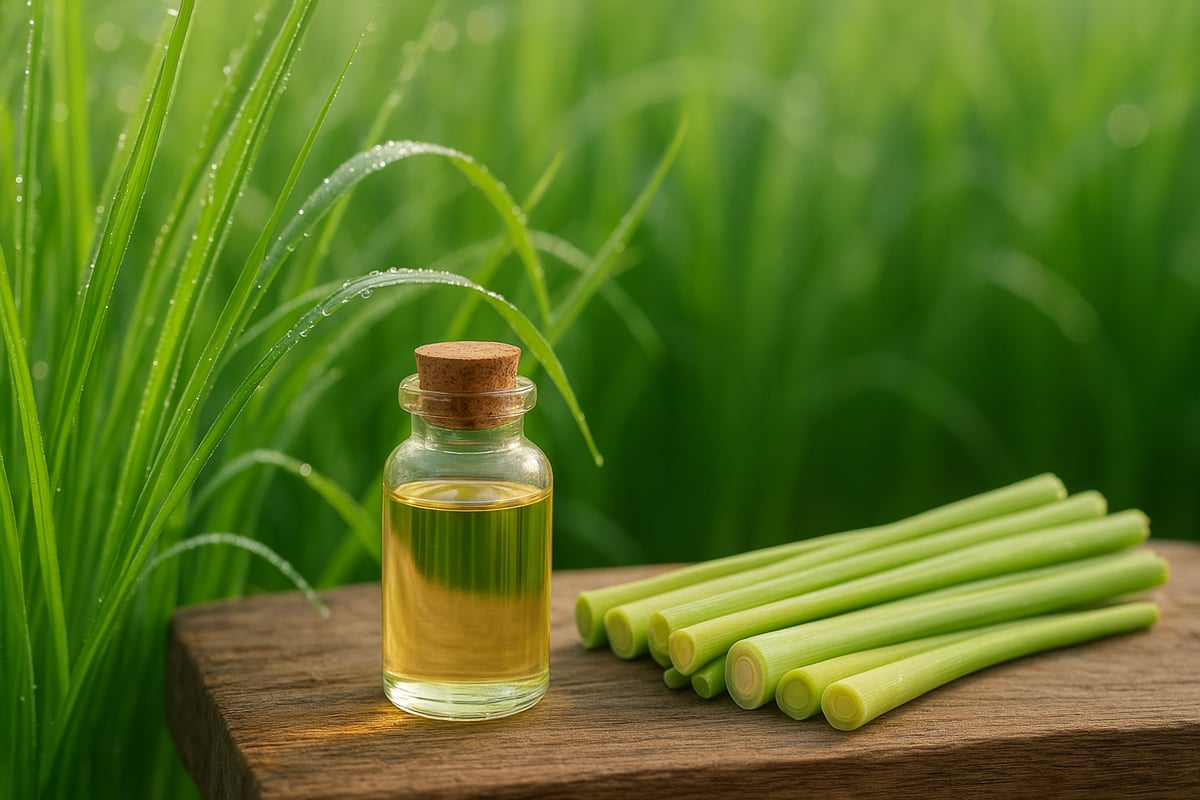
The basis of lemongrass oil is the Cymbopogon citratus plant. This fresh-smelling grass mainly grows in tropical regions such as Southeast Asia, parts of Africa, and South America. The plant is known for its long, narrow leaves and citrus-like scent.
Lemongrass oil is extracted through steam distillation of freshly harvested lemongrass. During this process, the aromatic components are drawn from the plant material, resulting in a clear, yellow-green oil.
There is a clear difference between organic and conventional lemongrass oil. Organic oil is produced without synthetic pesticides or fertilizers, contributing to a pure final product. The demand for organic essential oils grows annually; market analyses show an upward trend in popularity. Want to know more about truly organic oil? Then check out Lemongrass essential oil organic for more background and quality information.
Important quality characteristics of lemongrass oil are:
- A fresh, lemon-like scent
- A light to yellow-green color
- A thin, liquid consistency
Because of these characteristics, lemongrass oil is popular in aromatherapy and natural care.
Chemical composition and unique properties
The power of lemongrass oil lies in its chemical composition. The main active components are citral, geraniol, and limonene. Citral provides the characteristic fresh scent and has a purifying effect. Geraniol and limonene contribute to the uplifting effect and versatility of the oil.
Compared to other citrus oils, such as lemon or orange oil, lemongrass oil has a stronger and spicier profile. This makes the oil suitable not only for fragrance experiences but also for use in cosmetics and household products.
A special aspect is the use of citral as a natural preservative in DIY products. This helps maintain the effectiveness of lemongrass oil optimally, even after extended periods.
Lemongrass oil is widely used in aromatherapy for its refreshing and purifying properties. Thanks to its unique composition, it is a valuable addition to various blends and care products.
Uses of Lemongrass Oil in Daily Life
Discover how lemongrass oil can enrich your daily life. This versatile oil offers surprisingly many uses, from aromatherapy to skincare and even household solutions. More and more people choose lemongrass oil because of its fresh scent and proven effects. Below you’ll find the most popular ways to integrate this oil into your daily routine.
Aromatherapy and scent experience
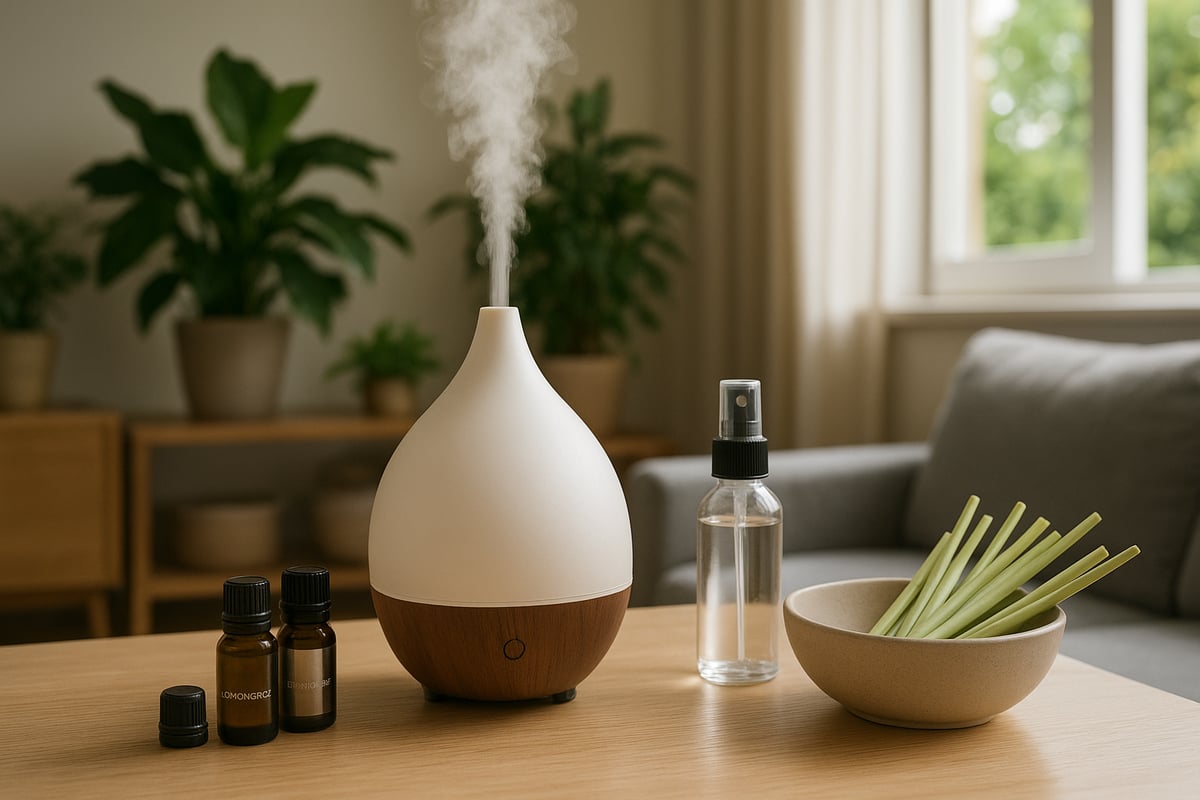
Lemongrass oil is beloved in aromatherapy for its fresh, lemon-like scent that instantly energizes. Use the oil in a diffuser to create an uplifting atmosphere and improve concentration. Many people find that the scent stimulates mental clarity and helps them stay focused while working or studying.
A popular combination is lemongrass oil mixed with lavender and peppermint for a balanced, refreshing blend. This mix is often used to promote an energetic feeling. According to user surveys, 60% of users specifically choose lemongrass oil in their diffuser for a boost.
Want to learn more about practical and scientifically supported uses of lemongrass oil in aromatherapy? Then read the applications and benefits of lemongrass essential oil.
Skincare and cosmetics
Lemongrass oil is increasingly added to creams, lotions, and serums because of its purifying properties. It can be especially helpful for oily skin or blemishes. Its natural antibacterial effect contributes to clearer skin and reduces the chance of pimples.
A simple DIY recipe is a facial toner with lemongrass oil: mix a few drops of oil with rose water and apply with a cotton pad. Lemongrass oil is also used in natural deodorants, thanks to its fresh scent and ability to neutralize bacteria. This way, you enjoy a long-lasting fresh feeling without synthetic additives.
Household use
Not only in wellness but also in the household, lemongrass oil proves its worth. Due to its antibacterial and antifungal properties, the oil is ideal as a natural cleaning agent. Mix a few drops with water and vinegar to create a powerful, fresh spray that combats unpleasant odors and mold.
For insect control, you can dilute lemongrass oil and use it as a spray in the home or garden. It naturally repels mosquitoes and other unwanted guests. A popular recipe is a mixture of lemongrass oil, water, and vinegar for cleaning kitchen surfaces. This keeps your home not only clean but also smelling wonderfully fresh.
Wellness and relaxation
Lemongrass oil plays an important role in wellness and relaxation. Add a few drops to your bathwater for a refreshing and calming effect. It is also widely used in massages, often mixed with a carrier oil to relieve muscle pain or fatigue.
After a busy day, lemongrass oil creates a relaxing atmosphere at home. The scent helps you unwind and recover. Many users experience deeper relaxation after a massage or bath with lemongrass oil, making it a regular part of their daily self-care routine.
Health benefits of Lemongrass Oil
Lemongrass oil is rapidly gaining popularity in natural healthcare. More and more people are looking for effective, plant-based alternatives to support their well-being. But what makes lemongrass oil so special when it comes to health?
Scientifically Supported Effects
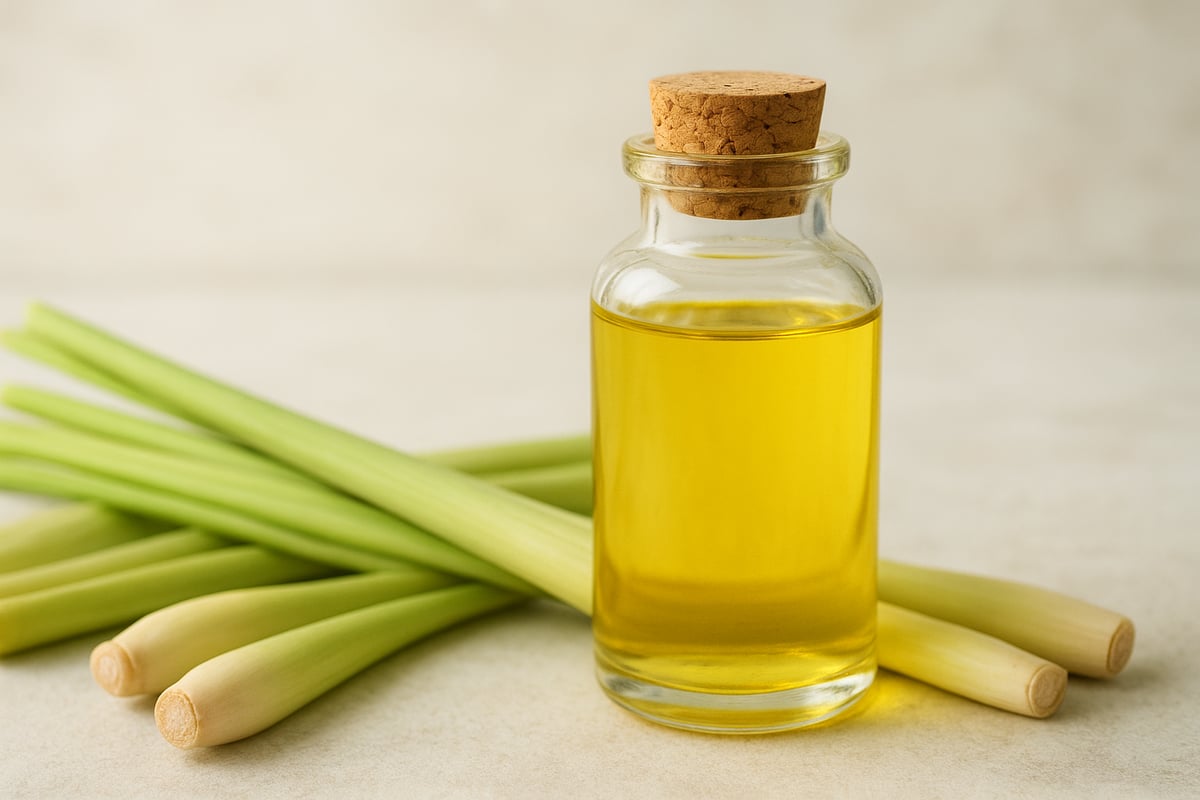
The power of lemongrass oil is largely due to its rich chemical composition. Substances like citral, geraniol, and limonene give this oil its intense scent and its effects. Various scientific studies show that lemongrass oil has strong antibacterial and antifungal properties. This makes it a popular choice for skincare and as a natural cleaning agent.
Research shows that the oil can support the immune system. When used in aromatherapy, many people experience a clear reduction in stress and anxiety. This is partly due to its relaxing effect on the nervous system. In a study on skin infections, lemongrass oil proved effective in inhibiting bacterial growth.
For those who want to explore the specific properties and composition of lemongrass oil further, the Chemical composition and properties of lemongrass oil offers a detailed overview.
The versatility of lemongrass oil makes it a valuable addition to a natural health routine.
Specific uses for physical complaints
Lemongrass oil is widely used in practice for various physical complaints. For muscle and joint pain, a diluted application on the skin helps provide local relief. It can also help with headaches, as a light massage with lemongrass oil on the temples can promote relaxation.
In Southeast Asian folk medicine, lemongrass oil has been used for generations. It is especially valuable for digestive complaints. A gentle abdominal massage with a few drops of diluted oil can support digestion and reduce bloating.
Some applications at a glance:
- Topical use for muscle and joint pain
- Abdominal massage for digestion
- Use for tension headaches
This versatility highlights why lemongrass oil has a permanent place in natural remedies.
Safety and limitations of health claims
Although the benefits of lemongrass oil seem impressive, it remains important to distinguish between traditional use and scientific evidence. Not every effect has yet been fully proven in large-scale clinical studies. However, user feedback indicates that 80% experience relief from mild complaints.
Safe use starts with proper dosing and dilution. Lemongrass oil should never be applied pure to the skin. A maximum concentration of 1 to 2% in a carrier oil is recommended. It is also essential to perform a patch test on first use to rule out allergic reactions.
Finally: always use lemongrass oil with common sense and consult an expert if in doubt. This way, you can fully benefit from the advantages without unnecessary risks.
Safe Use & Possible Side Effects
Safe handling of lemongrass oil is essential for an optimal experience and to prevent unwanted side effects. This powerful oil offers many benefits but requires careful use. In this section, you will learn how to correctly dose and dilute lemongrass oil, what to watch for regarding possible reactions, which interactions may occur, and how to safely use the oil at home.
Proper dosing and dilution
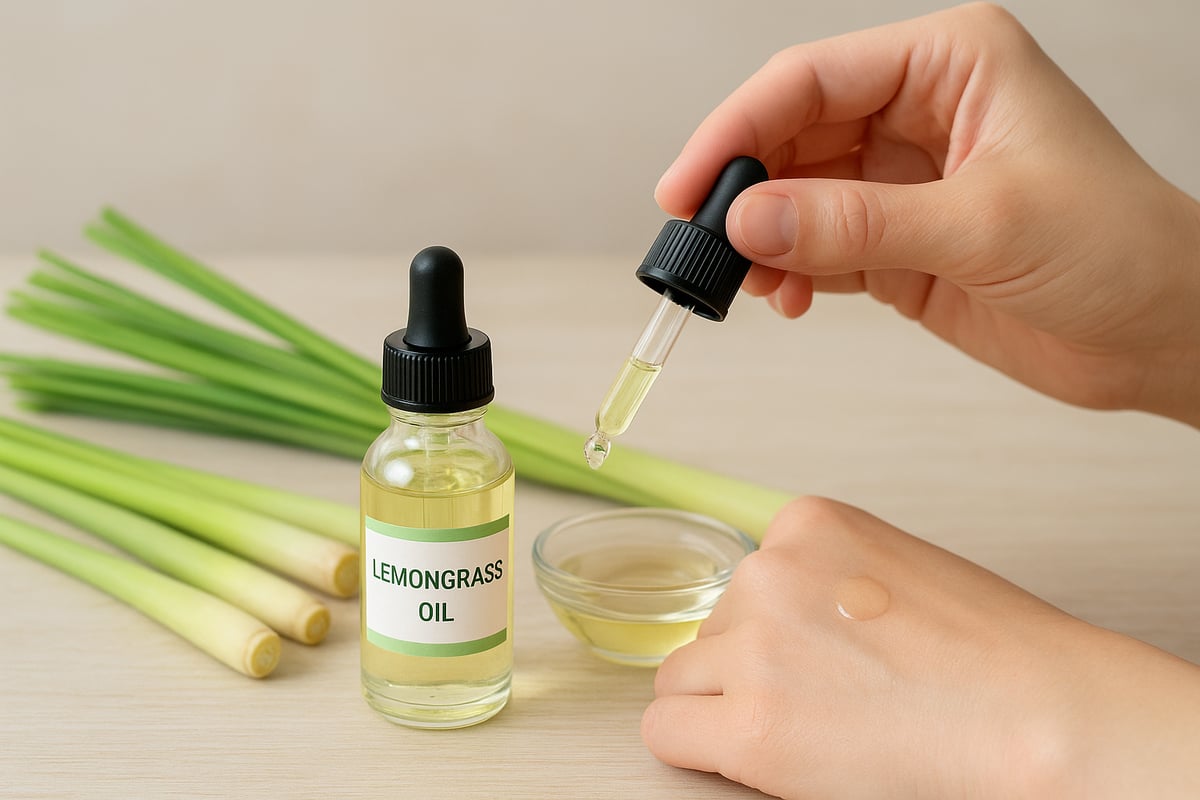
Lemongrass oil is highly concentrated. For skin applications, it is recommended to always dilute the oil. The standard ratio is a maximum of 1 to 2 percent lemongrass oil in a suitable carrier oil, such as jojoba or almond. This means about 1 to 2 drops per 10 ml of base oil.
Below is a brief overview:
| Application | Dilution |
|---|---|
| Skin care | 1% (1 drop/10 ml) |
| Massage | 2% (2 drops/10 ml) |
A popular use is making a roller with diluted lemongrass oil for local application on muscle pain. Strict dosing prevents irritation and maximizes the benefits of lemongrass oil.
Possible side effects and allergic reactions
Although lemongrass oil is known as a natural product, some people may have sensitive reactions. Skin irritation or sensitization mainly occurs with undiluted use or on sensitive skin. It is therefore advisable to always perform a patch test on the forearm first.
Please note the following points:
- Not suitable for young children, pregnant women, and people with very sensitive skin.
- Stop use immediately if redness, itching, or swelling occurs.
- Do not combine lemongrass oil with other irritating substances.
For more practical tips and guidelines on safe use and possible side effects, visit Safe Use and Precautions for Lemongrass Oil.
Interactions and Precautions
Lemongrass oil, like other essential oils, can interact with medications. Especially with internal use (which is not recommended without medical advice), this can pose risks. Keep the following precautions in mind:
- Never ingest lemongrass oil without consulting a doctor or therapist.
- Keep out of reach of children.
- Avoid contact with eyes and mucous membranes.
These precautions ensure you can use lemongrass oil safely and responsibly in your daily routine.
Guidelines for Safe Use at Home
Always use lemongrass oil in well-ventilated areas. When using in diffusers or sprays: less is more. Be extra cautious with pets, as some animals can be sensitive to essential oils.
Practical tips:
- Avoid direct contact with eyes or mouth.
- Clean surfaces after using DIY cleaners with lemongrass oil.
- Use a separate cloth for surfaces where food is prepared.
By following these guidelines, you can safely enjoy the benefits of lemongrass oil at home and for your well-being.
Buying Lemongrass Oil: What to Look For in 2026
Are you planning to buy lemongrass oil in 2026? Then it is important to know what to look for regarding quality, packaging, price, and point of sale. In this section, you will find practical tips to always choose the best lemongrass oil for your needs.
Quality Criteria and Certifications
Always choose lemongrass oil that is 100% pure and preferably organically certified. Look for quality marks such as Ecocert or Soil Association, as these guarantee the oil is produced without synthetic additives and pesticides.
An overview of important quality aspects:
| Quality Feature | What to Look For |
|---|---|
| Origin | Producer Transparency |
| Quality mark | Ecocert, Soil Association |
| Certificate of Analysis | Batch Number, Purity |
Good lemongrass oil has a fresh lemon-like scent profile, a bright yellow color, and a light, non-sticky consistency. Always check the label and avoid products without clear origin or certification.
Packaging and Shelf Life
The packaging of lemongrass oil is essential for preserving quality. Always choose dark glass, such as amber or blue, as this protects the oil from light and oxidation.
After opening, lemongrass oil usually stays good for 1 to 2 years if stored cool and dark. Pay attention to the expiration date and batch number. Store the oil upright and close the bottle tightly after use.
Tips for optimal shelf life:
- Store in a cool, dark place
- Avoid plastic packaging
- Use a pipette or dropper for dosing
This way, the quality of lemongrass oil remains optimal until the last drop.
Price-quality ratio and market trends
The price of lemongrass oil varies depending on origin, certification, and packaging size. Organic oil is often more expensive but offers greater assurance of purity. Bulk packaging is attractive for frequent users.
There is a clear trend toward sustainable packaging and private label products. According to Lemongrass Oil Market Growth 2025-2035, global demand for lemongrass oil is rising, mainly due to growing interest in natural care.
When purchasing, don’t just focus on price; also compare content, quality marks, and additional guarantees from the seller.
Reliable points of sale and advice
Preferably buy lemongrass oil from specialized natural product stores or certified webshops. These shops provide transparency about origin, batch number, and certification.
When buying online, look for clear product information and customer reviews. If in doubt, ask for a certificate of analysis or proof of origin.
Popular points of sale include:
- Organic specialty shops
- Certified online stores
- Pharmacies with natural products
With these tips, you’re sure to find a reliable source for your lemongrass oil.
Frequently Asked Questions about Lemongrass Oil
Lemongrass oil raises many questions among users who choose natural care and wellness consciously. Below you’ll find clear answers to the most frequently asked questions so you can use lemongrass oil safely and effectively.
Is lemongrass oil suitable for daily use?
Lemongrass oil can be used daily if properly diluted. Use a maximum of 1 to 2 percent in a carrier oil for skin applications. For diffusers, just a few drops are enough. Alternate with other oils to prevent tolerance and skin irritation.
Can I take lemongrass oil internally?
Taking lemongrass oil internally is not recommended without medical advice. Essential oils are highly concentrated and can be harmful if ingested. Always consult a doctor or aromatherapist if you are considering this.
How long does lemongrass oil stay good?
Lemongrass oil typically lasts 2 to 3 years when stored in a well-sealed dark glass bottle, kept in a cool, dark place. Watch for changes in scent or cloudiness as signs that the oil is becoming less suitable for use.
Is lemongrass oil safe for pets?
Be cautious when using lemongrass oil in spaces where pets are present. Some animals, especially cats and dogs, can be sensitive to essential oils. Use the oil in well-ventilated areas and allow pets to leave the room when using a diffuser.
How do I use lemongrass oil in DIY products?
Lemongrass oil is suitable for many DIY recipes, such as a refreshing room spray, natural deodorant, or facial toner. Always add the correct amount and mix with a suitable carrier, such as water, alcohol, or a plant-based oil. Experiment with small amounts for the best results.
Can I combine lemongrass oil with other essential oils?
You can easily combine lemongrass oil with other essential oils. Popular blends include lavender oil for relaxation and peppermint essential oil benefits for a refreshing, uplifting blend. Always pay attention to the total amount of oil in your blend.
Can I use lemongrass oil during pregnancy?
Using lemongrass oil during pregnancy is not recommended, especially in the first trimester. Always consult a doctor or qualified aromatherapist if you have doubts about using it during this period.
How do I recognize a quality oil?
A quality lemongrass oil is recognized by a clear, fresh citrus scent, a light yellow color, and a label stating 100 percent purity. Look for quality marks and choose reliable sellers with transparent product information.
Practical Tips & Inspiring Recipes with Lemongrass Oil
Want to start using lemongrass oil in your daily life right away? In this section, you’ll find practical tips, inspiring recipes, and creative combinations to enrich your routine.
DIY recipes for home use
Lemongrass oil is known for its versatility. With these simple recipes, you can get the most out of this oil:
- Refreshing room spray: Mix 100 ml water, 20 drops of lemongrass oil, and 1 tablespoon of alcohol in a spray bottle. Use as a natural air freshener in your home.
- Soothing massage oil: Add 5 drops of lemongrass oil to 30 ml almond oil. Ideal for a relaxing massage after exercise.
- Natural car air freshener: Mix 50 ml water, 10 drops of lemongrass oil, and 5 drops of lemon oil in a spray bottle. Spray on fabric surfaces.
- Insect-repellent spray for garden and patio: Combine 100 ml water, 15 drops of lemongrass oil, and 10 drops of eucalyptus oil in a plant spray bottle. Spray around doors and windows.
- Facial toner for fresh skin: Mix 50 ml rose water, 5 drops lemongrass oil, and 5 drops tea tree oil. Apply with a cotton pad on cleansed skin.
These DIY recipes are easy to apply and let you immediately benefit from the powerful effects of lemongrass oil. Always pay attention to proper dilution to avoid skin irritation.
Creative combinations with other essential oils
Lemongrass oil combines excellently with other oils for various purposes. Popular blends include:
| Purpose | Lemongrass oil | Other oils | Application |
|---|---|---|---|
| Focus & Energy | 3 drops | 2 drops peppermint, 2 drops rosemary | Diffuser, study room |
| Relaxation | 3 drops | 2 drops lavender, 2 drops orange | Diffuser, bedroom |
Lavender is often used for relaxing blends. Discover more about lavender essential oil uses for inspiration. Experiment with different combinations to create your ideal scent experience.
Tips for daily use and routine
Lemongrass oil not only adds fragrance but also supports a healthy lifestyle. Here are some practical tips:
- Start your morning with a few drops in the diffuser for a fresh start.
- Add it to your cleaning products for a hygienic and fresh home.
- Always store lemongrass oil in dark glass in a cool, dry place to preserve its quality.
Use lemongrass oil in your yoga or meditation routine for extra focus. Small adjustments can make a big difference in your daily well-being.
Inspiration from practice
Users of lemongrass oil often share positive experiences. Many say the oil helps create an energetic atmosphere at home. Wellness centers and spas also use lemongrass oil, especially in aroma diffusers. Industry research shows that 70% of wellness centers use this oil for a fresh ambiance.
The trend of natural living is growing. Lemongrass oil is loved for its fresh scent, effectiveness, and wide range of uses. Thanks to its versatility, this oil fits effortlessly into any routine and contributes to a healthier lifestyle.
Now that you’ve discovered everything about the origin, uses, and benefits of lemongrass oil, you might be curious about how to integrate this versatile oil into your daily routine. Whether you’re working on natural skincare, want to freshen your home, or are looking for a sustainable ingredient for your own products, at Oliemeesters you’ll find guaranteed 100% pure, organic, and cruelty-free oils of top quality. Experience the difference real quality makes today and enjoy fast delivery within a few days.
Order now fast delivery within 1–5 days