

Imagine: you open a bottle, and the calming scent of lavender immediately fills the room. In 2026, lavender essential oil is more popular than ever, loved for its versatility and natural power. More and more people are discovering its benefits for relaxation, sleep, and skincare.
In this article, you’ll find a current, comprehensive guide to lavender essential oil. You’ll learn all about its origin, different varieties, scientifically proven uses, and safe application in the home and personal care. You’ll also get practical buying and quality tips, plus answers to frequently asked questions.
After reading, you’ll know exactly how to use lavender essential oil optimally for your well-being, relaxation, radiant skin, and a restful night’s sleep.
What is lavender essential oil? Origin, types & production
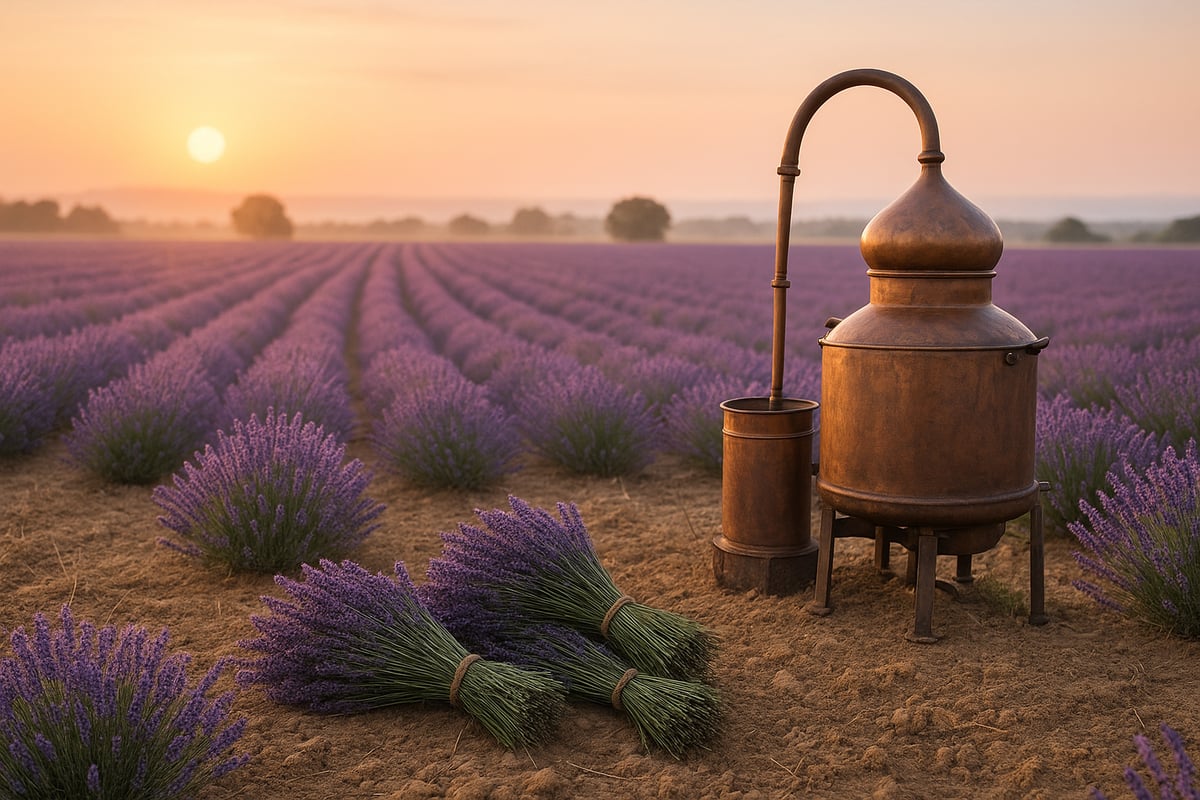
The world of lavender essential oil begins in the vast, purple fields of Provence in France but extends to Bulgaria and Spain. These regions have been famous for their lavender for centuries, combining traditional hand-harvesting with modern mechanical methods. In folk medicine, lavender essential oil has always been cherished for its calming and healing properties. Over the centuries, lavender has been used for relaxation, wound care, and as a fragrance. France and Bulgaria together now account for more than 70 percent of the world’s production, highlighting the international value of this oil.
Lavender comes in several varieties, each with its own scent profile, effects, and uses. The most well-known is Lavandula angustifolia, also called true lavender. This variety is known for its soft, floral fragrance and is a favorite for aromatherapy and skincare. Lavandin, a hybrid of different lavender types, has a stronger scent and is often used in cleaning products or air fresheners. Spike lavender stands out with a fresh, camphor-like aroma and is valued in aromatherapy. Brands like Chi Natural Life offer various options, such as Lavender France and Lavender Bulgaria, each with organic certifications or CO2 extracts. You’ll also find these different types in cooking and natural care, for example in desserts or DIY skincare products. If you want to learn more about the differences and unique uses of each type, check out the overview of the differences between lavender varieties.
The production process of lavender essential oil is a precise craft. Usually, steam distillation is used, where the fragrant flowers are treated with steam to extract the oil. This method preserves the delicate scents and active compounds optimally. CO2 extraction is gaining popularity as an alternative because it produces a very pure oil without heating. The harvest time and the altitude at which the lavender grows, such as Fine Lavender harvested at 1200 to 1600 meters, strongly influence the final result. Every quality brand has the oil analyzed in laboratories to ensure purity and composition. It is essential that lavender essential oil is always offered pure and undiluted for maximum effectiveness.
Quality and certification are crucial for lavender essential oil. Organically grown lavender is strictly controlled and certified by organizations such as ECOCERT and SKAL. When purchasing, look for labels that guarantee 100% pure oil, so you can be sure you are not getting synthetic additives. Sustainable brands avoid microplastics and do not test on animals, which you can recognize by labels like Zero Plastic Inside. Examples of reliable suppliers are Chi and Geurwolkje, who only provide certified, pure lavender oil. This ensures your lavender essential oil is safe, pure, and potent.
The origin of lavender oil
Different types of lavender and their oils
Production process of lavender essential oil
Quality characteristics and certification
Scientifically proven benefits & active substances
Lavender essential oil is known worldwide for its versatile effects and scientifically supported benefits. Thanks to unique active compounds, this oil not only offers relaxation but also supports the skin, respiratory system, and overall well-being. In this section, you will read which substances are responsible for the effect, what recent studies show, and what to watch for safe use.
Main active substances in lavender oil
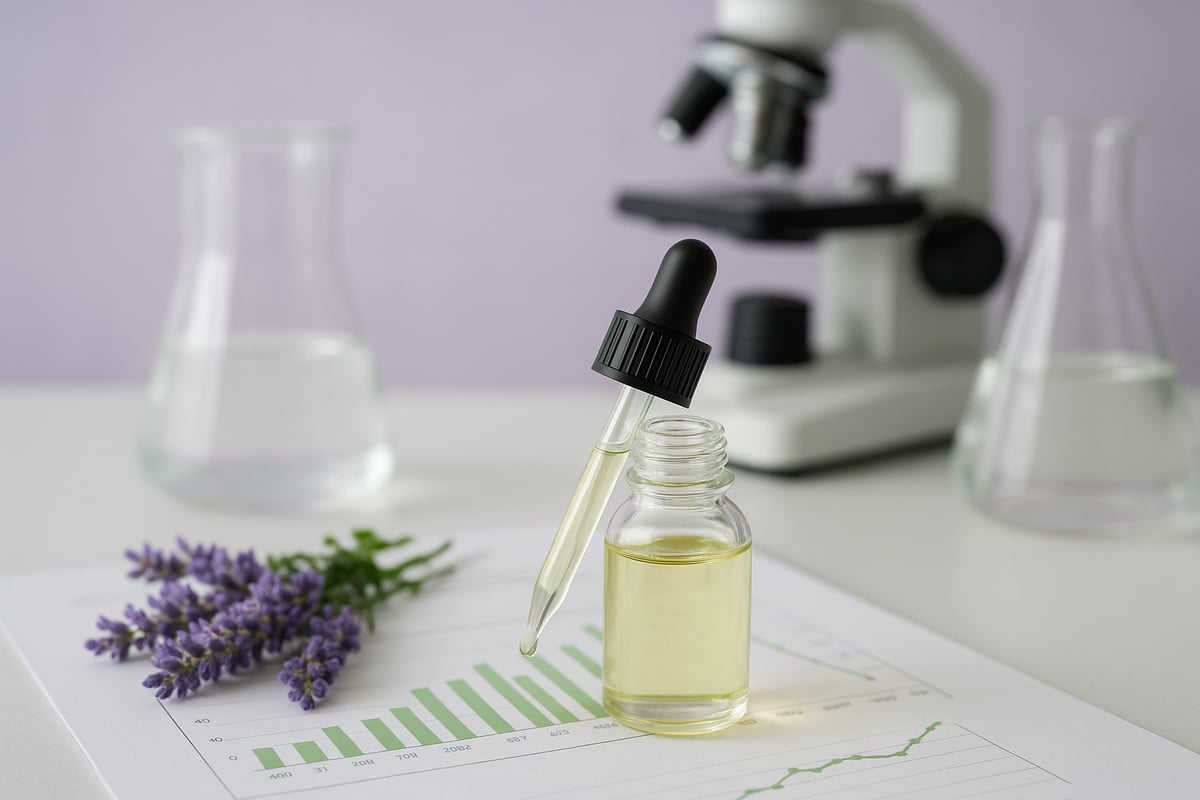
The effectiveness of lavender essential oil is due to several characteristic components. The three main ones are linalool, linalyl acetate, and camphor. Especially Lavandula angustifolia contains a high content of linalyl acetate, often more than 30 percent according to laboratory analyses. This provides the calming scent profile and relaxing properties.
The composition varies by type of lavender. For example, lavandin contains more camphor, which gives a sharper scent and refreshing effect. Linalool contributes to both the fragrance and the mild antiseptic effect. Quality brands regularly test their lavender essential oil to guarantee the exact profile and purity.
The table below shows the main substances and their effects:
| Dust | Percentage (average) | Effect |
|---|---|---|
| Linalool | 25-40% | Relaxation, antiseptic |
| Linalyl acetate | >30% | Calming, soothing |
| Camphor | 0-8% | Refreshing, mildly stimulating |
The unique combination of these substances makes lavender essential oil a favorite in aromatherapy and personal care.
Research on relaxation, sleep & stress reduction
The calming effect of lavender essential oil has been extensively studied. Multiple clinical studies show that lavender oil facilitates falling asleep, improves sleep quality, and reduces stress. In a recent Chi sleep test, 88 percent of participants reported a noticeable improvement in their sleep after using lavender oil.
Lavender essential oil is also used for feelings of anxiety, tension, and restlessness. In healthcare and aromatherapy, lavender oil is popular in relaxation treatments. Product lines like Lavinchi Relax utilize its proven effects for sleep support.
Want to learn more about the scientific background and publications? Then continue reading this overview of scientific studies on lavender oil, which extensively discusses its effects and applications.
Other health benefits: skin, pain & respiratory system
Besides relaxation, lavender essential oil offers various other health benefits. The oil is known for its antiseptic and anti-inflammatory effects. It is often applied to minor wounds, insect bites, and mild burns. Lavender oil is also a natural alternative for acne and skin irritations.
Inhalation or local application can relieve headaches and migraines. Lavender essential oil is also used for colds and respiratory issues due to its soothing properties. Customer satisfaction surveys show that 99 percent of users of Chi lavender oil products report positive experiences. Geurwolkje lavender oil is also often used for relaxation and skin care.
Safety and possible side effects
Lavender essential oil is safe for most people when used correctly. However, it is important to be cautious with pure oil on the skin, especially for sensitive skin or children. Diluting with a carrier oil, such as jojoba or almond, is recommended.
Take extra care during pregnancy and when using with pets. Not all applications are suitable in these cases. Always consult an expert if in doubt. Follow industry advice and always perform a skin test before first use to prevent irritation or allergic reactions. This way, you can safely and effectively enjoy the benefits of lavender essential oil.
Practical uses of lavender oil in 2026
Lavender essential oil will be used in countless ways in daily life in 2026. The versatility of this oil makes it indispensable for anyone looking to relax, sleep better, or seek natural care. Discover the latest routines, recipes, and tips for optimal use below.
Sleep & relaxation: routines and recipes
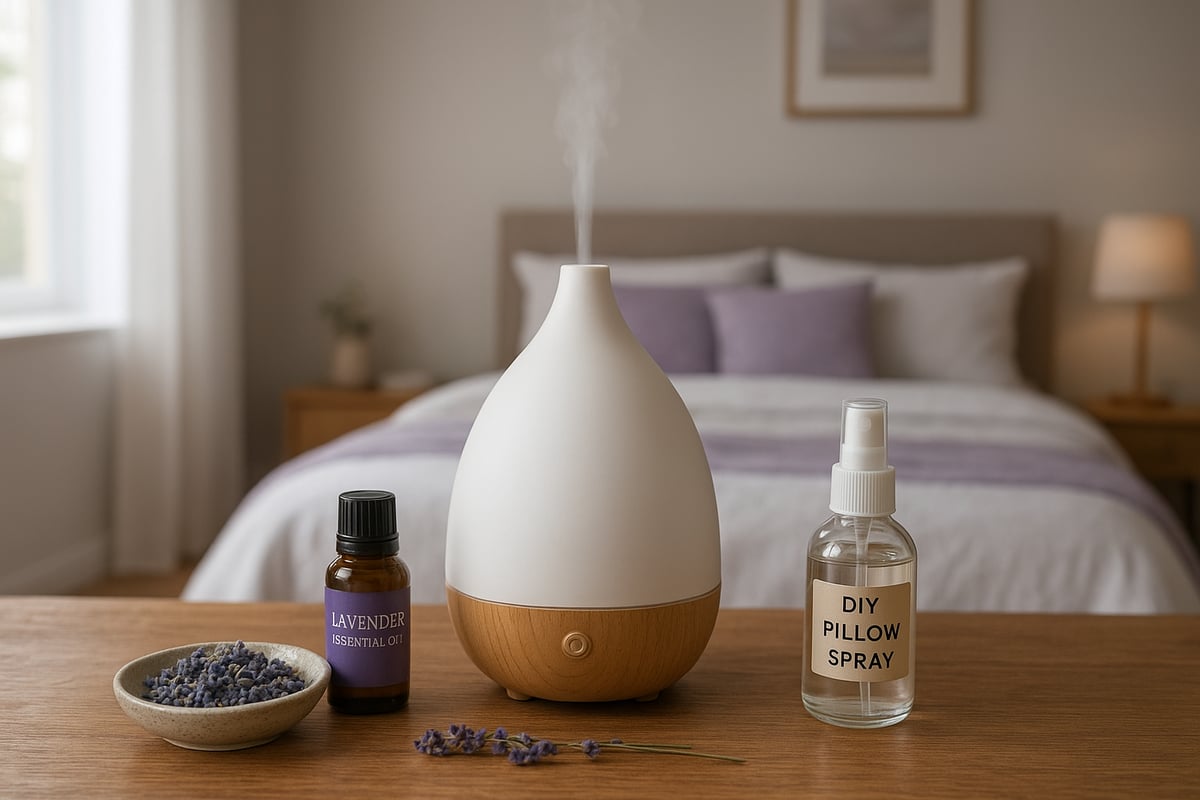
For deep sleep and moments of calm, lavender essential oil is a proven favorite. Use a diffuser with 4-6 drops of lavender oil in the bedroom, preferably half an hour before bedtime. This creates a calming atmosphere and supports a natural sleep cycle.
Homemade pillow sprays are easy to make with lavender essential oil, water, and a little alcohol. Lightly spray over the pillow before sleeping. Aroma rollers with lavender are practical for on the go and ideal during moments of stress.
Combine lavender essential oil with marjoram or mandarin for extra relaxation. Products like Lavinchi Relax oil and Relax roller are popular, and research shows 4 out of 5 users experience better sleep. This routine offers natural support for falling asleep and relaxing.
Skincare & DIY beauty
Lavender essential oil is a valuable addition to your skincare routine. Add a few drops to a face mask or mix with a carrier oil like jojoba or almond for a soothing facial oil. This helps with acne, minor wounds, and skin irritations.
Lavender essential oil also shines in bath oil or massage oil. Make a DIY aftersun by combining lavender with aloe vera gel. Use lavender in natural deodorant for a fresh, soft scent.
For more inspiration and concrete recipes, you can consult the uses and benefits of lavender oil. This way, you make the most of the power of lavender essential oil in your daily beauty ritual.
At home: air purification, scent & cleaning
Lavender essential oil is ideal for a fresh, relaxed atmosphere at home. Use an aroma diffuser in the living room or bathroom for a subtle scent experience. Room sprays and linen sprays with lavender provide a calming effect on textiles.
Lavender also works as a natural air freshener and keeps insects away. A simple DIY all-purpose cleaner recipe: mix water, vinegar, and a few drops of lavender essential oil in a spray bottle. This not only cleans but also leaves a pleasant scent.
Chi Top 15 vaporizing oils with lavender are popular for daily use. This way, you easily create a healthy and pleasant indoor climate.
In the kitchen and nutrition
Biological lavender essential oil is increasingly used in cooking. Add a drop to desserts, pastries, or tea for a subtle floral flavor. Use only food-grade lavender oil and stick to the recommended dosage of a maximum of 1-2 drops per recipe.
Lavender pairs well with honey and citrus in sweet dishes. Lavender Fine from France, for example, is suitable for kitchen use. Always pay attention to the quality and origin of the oil for safe use.
Here’s how to add a surprising accent to your culinary creations with lavender essential oil.
For children & babies: points to consider
Lavender essential oil is suitable for children if you take some precautions. Always dilute the oil extra strongly, for example, 1 drop per 10 ml carrier oil for babies and young children. Never apply pure oil directly to the skin.
Preferably choose products specially made for children, such as the Geurwolkje Kids line. Lavender helps with relaxation, sleep, and caring for sensitive skin. Always perform a skin test first to prevent reactions.
Note: the use of lavender essential oil is not recommended for babies under 3 months.
For pets: do’s & don’ts
Be careful with lavender essential oil around pets, especially cats and dogs. Never apply the oil directly to the animal. Ensure good ventilation and use low doses in spaces where animals are present.
There are alternatives and special products for animals, but always consult a veterinarian or aromatherapist for advice. Lavender essential oil can contribute to a relaxing atmosphere if used responsibly.
Safety always comes first when using lavender essential oil around pets.
Tips for purchasing, recognizing & using quality lavender oil
The growing demand for lavender essential oil calls for attention to quality, safety, and sustainability. With these practical tips, you can recognize high-quality oil, avoid common mistakes, and get the most out of your lavender experience.
What should you watch out for when buying?
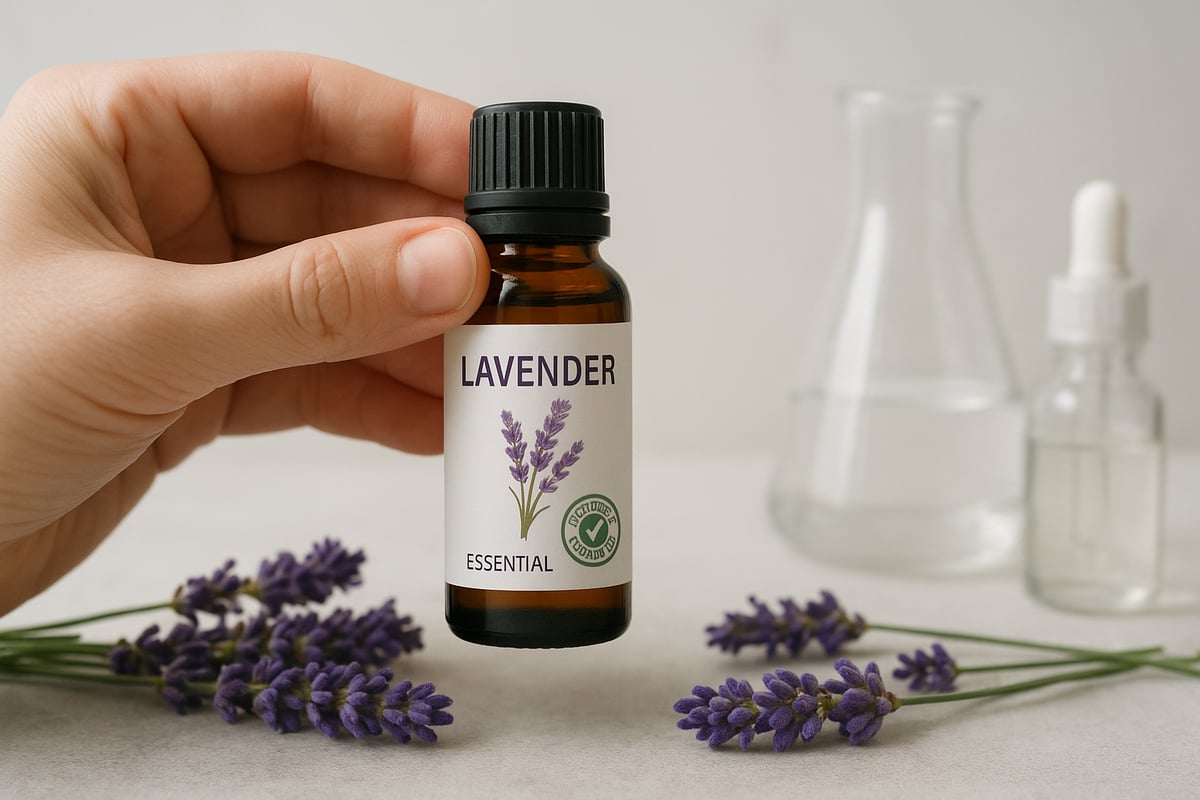
When buying lavender essential oil, the origin is essential. Always check the botanical name, such as Lavandula angustifolia, to be sure of the species. Preferably choose oil with an organic certification, like SKAL or ECOCERT, and look for transparent certificates. A pure lavender essential oil is recognizable by clear labeling, without additives or synthetic substances.
Pay attention to the scent, color, and viscosity: real lavender oil smells fresh, is light in color, and does not feel greasy. The price often gives an indication. A quality oil typically costs between €9 and €20 per 10 ml. Also check reviews, with brands like Chi and Geurwolkje reporting 99% customer satisfaction. Want to know more? See the Organic lavender essential oil for more information on production, certifications, and uses.
Difference between pure, organic, and blended oil
Lavender essential oil is available as pure oil, organic variant, or in blends. Pure oil contains only lavender, without additives. Organic oil is certified and comes from controlled cultivation, offering benefits for health and the environment. Blends combine lavender essential oil with other oils, such as Lavandin or CO2 extracts, and are suitable for specific applications.
Always read the label: pure and organic products list the exact botanical name and quality marks. Blends clearly indicate their composition. For example, Chi offers five organic lavender products, including Lavender CO2 extract select and Lavandin abrialis, so you can choose specifically.
Storage & shelf life of essential oil
To maintain the quality of lavender essential oil, proper storage is crucial. Always keep your bottle dark, cool, and tightly closed. This prevents oxidation and spoilage. The average shelf life is 2 to 3 years, depending on packaging and storage conditions.
Watch for signs of aging: changes in scent or color indicate a decline in quality. Prefer glass bottles, as plastic can affect the composition. Sustainable labels, such as Zero Plastic Inside, guarantee environmentally friendly packaging and optimal preservation of lavender essential oil.
Common mistakes and how to avoid them
Many users unintentionally make mistakes when using lavender essential oil. Overdosing in diffusers or skin products is common and can cause irritation. Never apply the oil undiluted to sensitive skin, especially in children.
Always choose the right type for your application. For example, use Lavandula angustifolia for relaxation, not spike lavender. Do not store the oil in direct sunlight or near heat sources. Always check the label for quality marks and ingredients. This way, you can enjoy lavender essential oil worry-free and safely.
Frequently asked questions about lavender oil
Using lavender essential oil often raises questions about safety, application, and possible side effects. Below you will find the most frequently asked questions so you can use this versatile oil responsibly and optimally.
Is lavender oil safe for daily use?
Lavender essential oil is safe for daily use when used correctly. Many people diffuse this oil or apply diluted oil to the skin. For adults, the maximum dosage is 4 to 6 drops in a diffuser per day. For children and the elderly, it is wise to use less and always dilute. Daily use supports relaxation and better sleep. Alternate lavender essential oil regularly with other oils to prevent tolerance. Always test the oil on a small patch of skin first to rule out a reaction. This way, you can safely enjoy the benefits.
Can I ingest lavender oil?
Ingesting lavender essential oil is only safe when using organic, food-grade oil. Always check the label and choose only products explicitly suitable for consumption. The recommended dosage is a maximum of 1 to 2 drops per recipe, for example in honey, desserts, or tea. Not all lavender essential oil is suitable for ingestion due to possible additives or impurities. Pay attention to quality marks and choose certified oils for safe use. When in doubt, consult a specialist. This way you maximize the flavor and effect without taking risks.
What are the best combinations with lavender oil?
Lavender essential oil combines excellently with citrus oils, marjoram, and mandarin for a relaxing effect. For skincare, the combination with tea tree oil is popular, for example in DIY masks or massage oil. In a blend for calm and sleep, you can mix lavender with marjoram and mandarin, as in the Lavinchi Relax mix. For air purification, lavender works well with eucalyptus or lemon. Experiment with different combinations in your diffuser for a personal aroma. This way you enhance the effect and create unique scent experiences at home.
Can lavender oil cause allergic reactions?
Although lavender essential oil is generally well tolerated, some people may experience a skin reaction. Symptoms include redness, itching, or a burning sensation. Risk groups are people with sensitive skin, young children, and pregnant women. Always dilute the oil before applying it to the skin and perform a patch test on the inside of the elbow beforehand. If allergic, you can opt for a lavender hydrosol or another calming oil. Complaints remain very rare with proper use of lavender essential oil. Safety always comes first in aromatherapy.
Trends & innovations: lavender oil in 2026
The world of lavender essential oil will not stand still in 2026. Innovations are rapidly following one another, both in product forms and applications. Consumers demand versatility and convenience, leading to various new products. Think of CO2 extracts, organic blends, and multifunctional skincare items. Roll-ons, sprays, and aroma inhalers are popular for direct use. DIY and self-care products continue to grow, with lavender oil as a staple base. Lavender oil is increasingly combined in unique blends, for example with other calming oils like marjoram essential oil for relaxation, for an optimal experience of relaxation and sleep.
Sustainability and traceability in the supply chain
Sustainability is receiving increasing attention in the lavender essential oil market. Manufacturers choose Zero Plastic Inside, recycled packaging, and short production chains. Transparency about origin and production processes is a must for the conscious consumer. Certification by independent bodies, such as ECOCERT, is widely applied. Independent laboratory tests guarantee the purity and quality of the oil. Local production and organic cultivation are gaining ground, reducing the ecological footprint. Want to know more about this development? Check out the quality characteristics of organic lavender oil for an up-to-date overview of origin, certificates, and applications.
Scientific developments & studies
Scientific interest in lavender essential oil is steadily growing. New clinical studies focus on effectiveness for stress, anxiety, and sleep improvement. Much research is being done on the synergy between lavender oil and other essential oils. Data show that 88% of users are satisfied with their sleep quality after using lavender products. Publications pay attention to safety, even with long-term use. In medical and therapeutic settings, lavender essential oil is gaining a permanent place in care programs. These developments support confidence in lavender oil as a natural wellness aid.
Future of lavender oil in the Netherlands & Belgium
The future of lavender essential oil in the Netherlands and Belgium looks promising. The supply of organic and local brands continues to grow. Lavender oil is becoming increasingly popular in wellness, hospitality, and retail. Consumers demand transparency, quality, and sustainability. There is a clear trend towards pure products, focusing on short supply chains and eco-friendly packaging. Online platforms and communities play a major role in knowledge sharing and purchase advice. It is expected that by 2026, lavender essential oil will be even more integrated into the daily lives of conscious users.
Now that you know exactly how to use lavender oil safely and effectively for relaxation, sleep, and skincare, it's time to put this knowledge into practice. Whether you're looking for pure, organic oil for your daily routine or high-quality ingredients for your own care line, at Oliemeesters you'll always find a carefully selected range that aligns with the latest trends and quality standards. You benefit from fast delivery and reliable service, so you can start your lavender adventure right away. Discover it for yourself and Order now with fast delivery within 1-5 days.