

Want to get the most out of pure, organic essential oil in 2026? This ultimate guide to organic essential oil offers a unique insight into origin, benefits, uses, and quality criteria. Discover the latest trends, learn safe and sustainable ways to use them, and experience how this natural source of power can enhance your health and well-being. Curious how to get started right away? Read on and make the most of organic essential oil.
What Are Organic Essential Oils?
Organic essential oils are at the heart of a natural lifestyle and offer pure power from nature. But what really makes an organic essential oil special? Let’s take a closer look at the origin, production, and unique benefits of these oils.
Definition and Origin
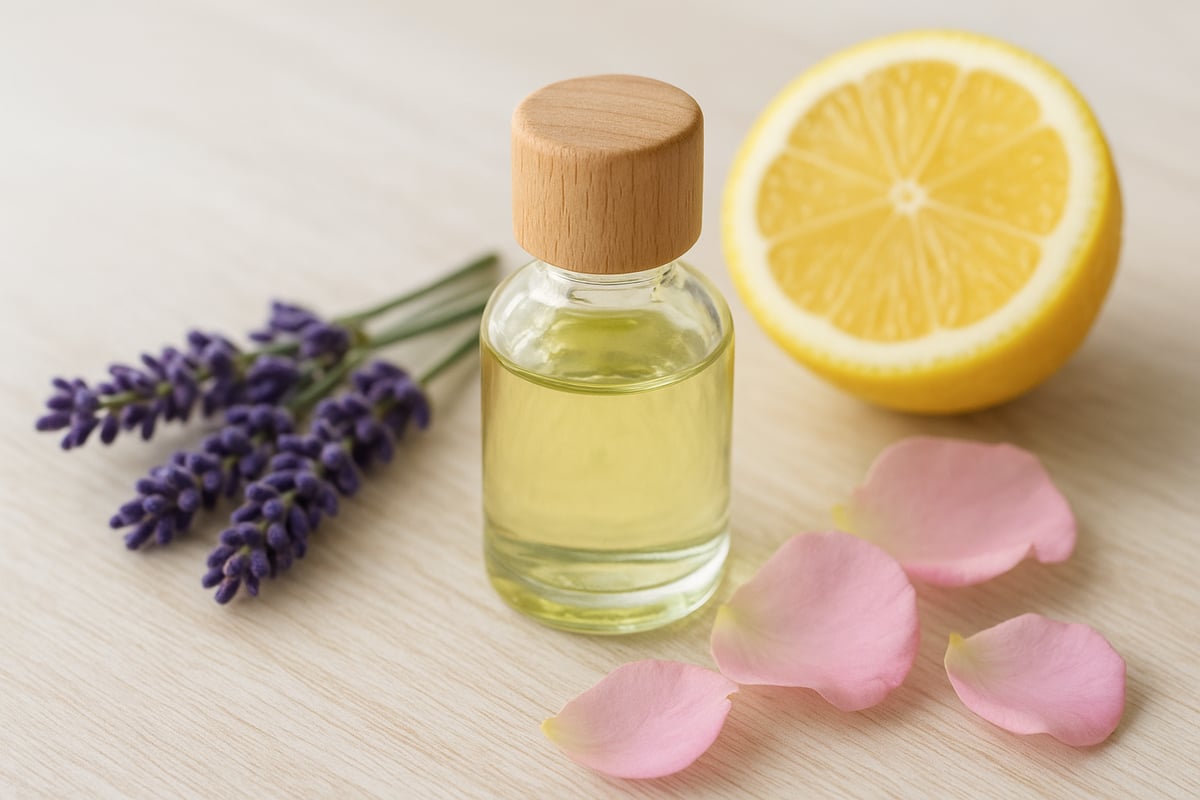
An organic essential oil is a concentrated plant extract obtained from flowers, leaves, peels, or wood through natural processes. Unlike regular oils, an organic essential oil contains no synthetic additives or pesticide residues. It’s all about purity and an authentic plant fragrance.
The organic certification is central. This certification, such as SKAL or Demeter, guarantees that the oil comes from controlled organic cultivation. Plants for an organic essential oil grow without chemical pesticides and under strict environmental regulations. Certifications provide assurance to consumers and are an important selection criterion when purchasing. Those who want to learn more about quality standards and buying certified oils can visit Buy Organic Essential Oil.
Popular examples of organic essential oils include lavender, tea tree, bergamot, and rose. Thanks to their natural origin and purity, these oils are highly favored. The European market is experiencing strong growth: according to recent figures, the demand for organic essential oils is increasing annually.
An organic essential oil is always traceable back to the organic farmer. This not only guarantees quality but also supports sustainable agriculture and biodiversity.
Production Process and Sustainability
The production process of an organic essential oil must meet strict requirements. The most commonly used methods are steam distillation, cold pressing, and CO2 extraction. These techniques ensure that the active compounds from the plants are optimally preserved.
Sustainable farming practices are essential in this process. No pesticides or chemical fertilizers are used for an organic essential oil. Also, no synthetic substances are added during production. Everything revolves around respect for nature and the environment.
Transparency is an important aspect. Every batch of organic essential oil comes with information about origin, production date, and certification. This way, you know exactly what you are using. This increases trust and encourages conscious choices.
Using organic essential oil contributes to biodiversity preservation and supports local communities. By choosing organic oil, you invest in a healthier planet and a fairer supply chain.
The Power and Benefits of Organic Essential Oils
The use of organic essential oil is rapidly gaining popularity because of its powerful benefits for body and mind. More and more people choose these pure, organic oils for their natural effects and versatile applications. But what makes organic essential oil so special, and how can you use it safely and effectively? In this section, you will discover the main health benefits, practical uses, and the scientific evidence behind these valuable oils.
Health Benefits and Applications
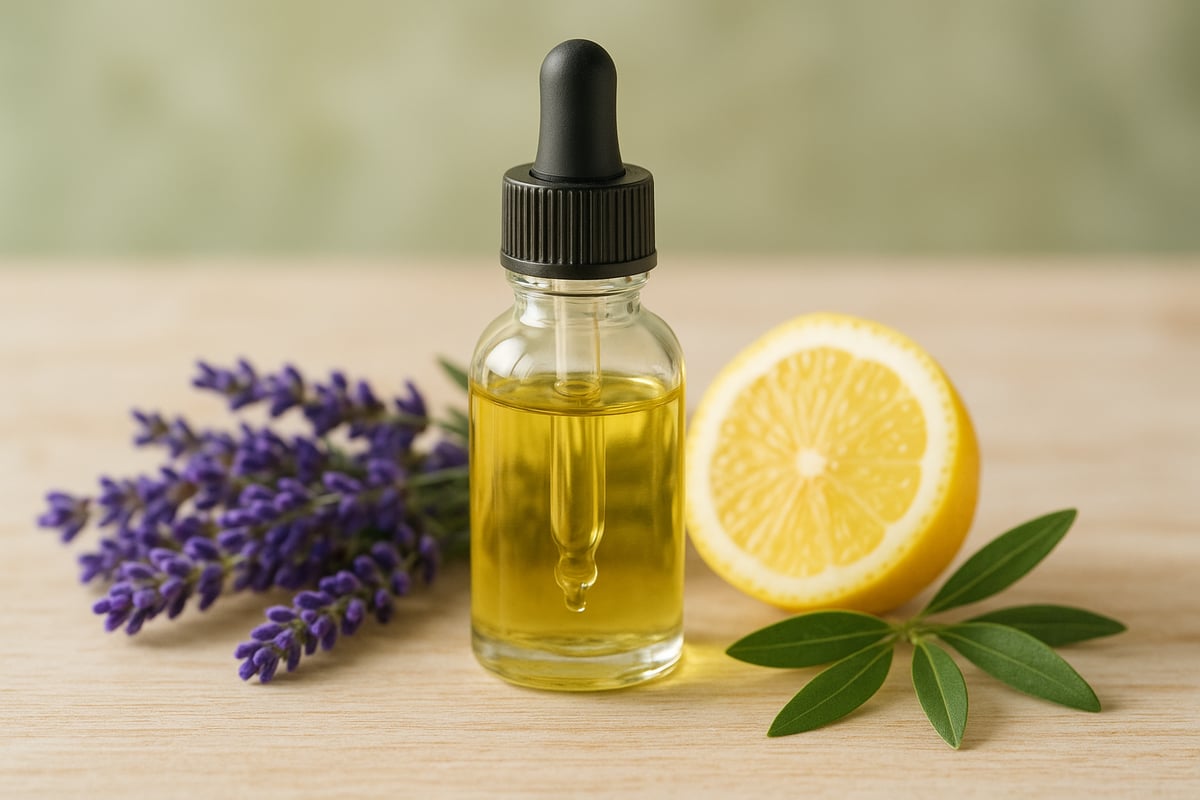
Organic essential oil offers numerous health benefits, mainly due to its pure composition without synthetic additives. In aromatherapy, organic essential oil is often used for relaxation, stress reduction, and improving sleep. A few drops of lavender oil in a diffuser, for example, can create a calm atmosphere at home and help you unwind after a busy day.
Organic essential oil is also popular in skincare. Many people use tea tree oil to treat blemishes or sensitive skin issues. Rose oil is known for its anti-aging properties and is regularly added to natural facial care products.
Organic essential oil is also used to purify the air. Thanks to the antibacterial, antiviral, and antifungal properties of oils like tea tree and lemon, these oils contribute to a fresh and healthy living environment. This is especially relevant during the winter months when indoor air quality requires extra attention.
In the kitchen, organic essential oil is used as a flavoring in salad dressings, desserts, or even drinks. Be sure that only certified food-grade oils are safe for consumption. According to Chi Natural Life, 95% of customers report being very satisfied with the effects of organic essential oil, based on more than 6,500 reviews.
Caution is advised for children, babies, and people with sensitive skin. Always use an appropriate dosage and choose mild oils such as lavender or chamomile. When in doubt, always consult a specialist.
Scientific Evidence and Safety
The effects of organic essential oil are increasingly supported by scientific research. For example, studies confirm the relaxing effect of lavender on sleep quality, and clinical trials show that tea tree oil is effective against certain bacteria and fungi. Still, it remains important to critically assess the quality of the research and the oils used.
Safe use is central when it comes to organic essential oil. Dosage and dilution are essential to prevent skin irritation or allergic reactions. For skin applications, a dilution of 1 to 3 percent in a carrier oil is usually recommended. Pure application is only advised in exceptional cases, for example with lavender or tea tree, and always after a patch test.
The difference between food grade and cosmetic use is important. Not every organic essential oil is suitable for ingestion. Always check the certification and instructions on the label. Incorrect use of non-organic oils can pose health risks, such as exposure to pesticides or synthetic substances.
For pregnant women, people with medical conditions, or when using with young children, it is wise to consult an expert beforehand. Want to learn more about the scientific background and safe use of organic essential oil? Then check the overview at Scientific Aromatherapy, where you’ll find in-depth information about research and the effectiveness of pure, organic oils.
In short, organic essential oil offers a wide range of benefits, provided you choose quality and use it consciously. By investing in knowledge and reliable products, you get the most out of nature’s power.
How to Recognize Genuine Organic Essential Oil?
Recognizing genuine organic essential oil is essential if you want to benefit from all its advantages and be sure of a safe and pure product. The market is growing rapidly, but not every oil sold as organic meets the strictest standards. Want to avoid buying synthetic or diluted oil? Then pay attention to the following quality criteria and practical tips.
Quality Criteria and Certifications
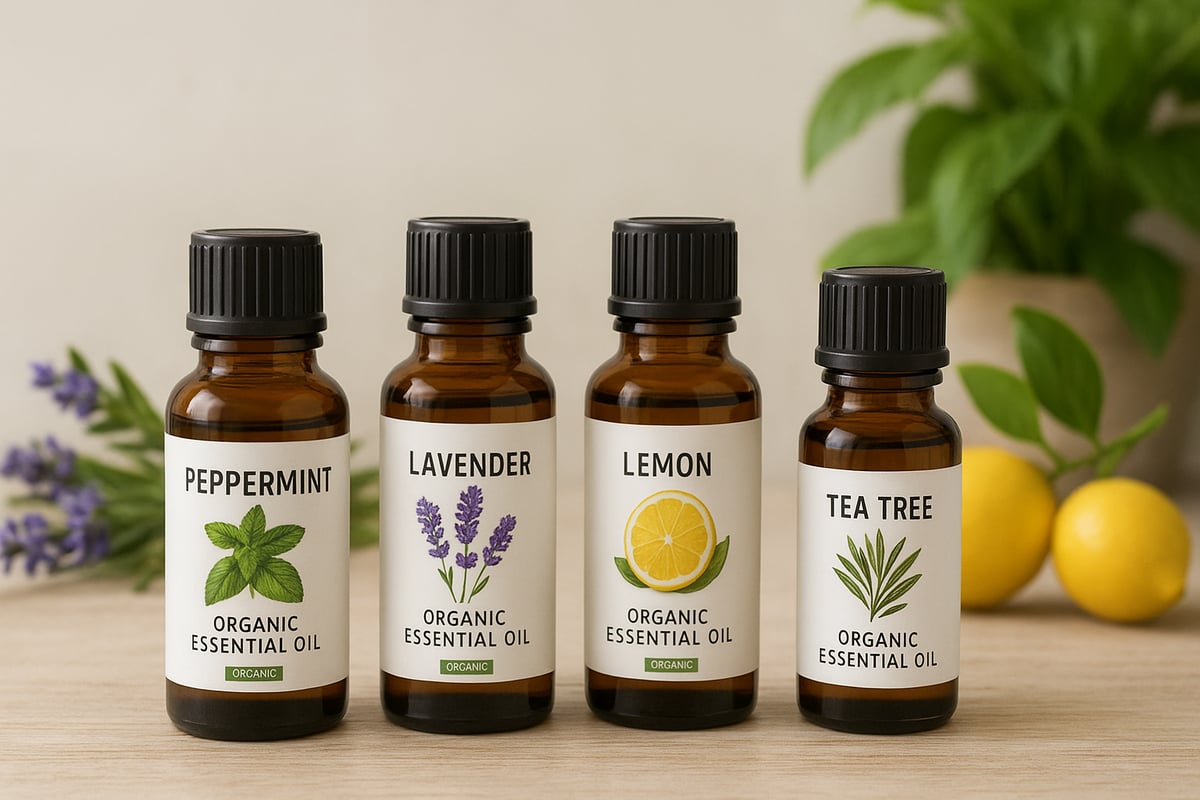
Are you looking for assurance about the quality of organic essential oil? Start with the label. A reliable product always lists the botanical name of the plant, the country of origin, the batch number, and the production date. These are essential details that allow you to verify the origin and composition of the oil.
Look for recognized organic certifications such as SKAL, Demeter, or Ecocert. These certifications guarantee the oil comes from controlled organic cultivation without synthetic pesticides or artificial additives. Price can also be an indicator: genuine organic essential oil is rarely cheap because the production process is intensive and sustainable.
The scent and color of pure organic essential oil are subtle and authentic. Synthetic oils often smell too sharp or unnatural and may have unusual colors. Transparency is important: a good supplier provides insight into ingredients, production dates, and analysis certificates. Want to learn more about exact quality standards and certification? Read more about the essential oil quality criteria for in-depth information.
Practical Tips for Consumers
As a consumer, it’s wise to buy organic essential oils only from recognized suppliers with excellent customer reviews. Always ask for a GC/MS analysis certificate, which proves the oil’s purity and composition. Avoid products with vague blends or synthetic fragrances, as they don’t offer the benefits of pure oil.
Store your organic essential oil in a dark, cool place and close the bottle tightly. This preserves quality and prevents oxidation, especially with citrus oils. Always check the expiration date for optimal results.
A practical example: organic lavender oil has a soft, floral scent, while regular lavender oil often smells sharper and is less effective. By carefully checking certifications, labels, and transparency, you ensure a pure organic essential oil that supports your health and well-being.
Popular Organic Essential Oils and Their Unique Effects
Organic essential oils have become indispensable favorites in aromatherapy and natural care over recent years. In 2026, these oils continue to play a major role thanks to their pure quality and versatile uses. Consumers are increasingly choosing organic essential oils due to their proven effectiveness, sustainable nature, and pure scent experience.
Top 7 Organic Essential Oils in 2026
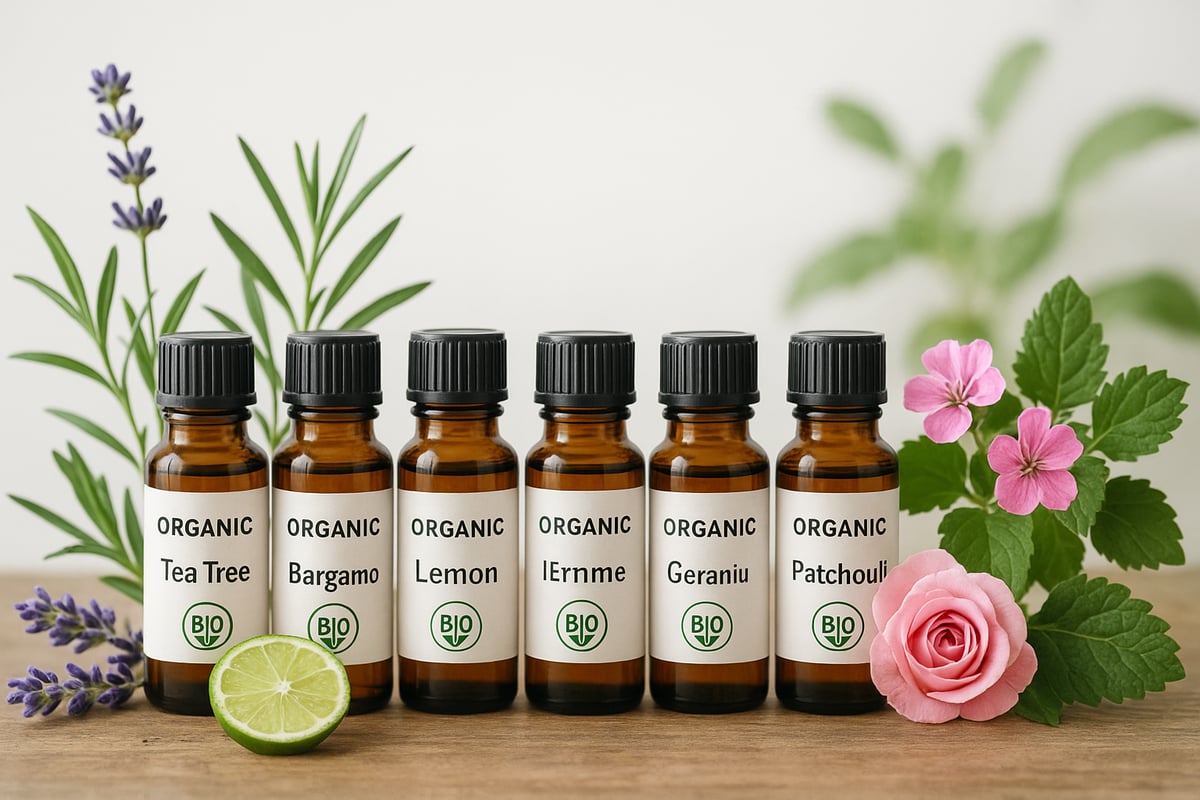
The demand for organic essential oils continues to rise, especially for the seven most popular types. Below you’ll discover their unique effects:
| Oil | Effect | Application |
|---|---|---|
| Lavender | Calming, skin-repairing, safe for children | Sleep, skin, bath |
| Tea Tree | Antibacterial, versatile | First aid, air purification |
| Bergamot | Invigorating, air-purifying | Diffuser, mood |
| Lemon | Fresh, immunity-boosting | Kitchen, air, cleaning |
| Rose | Luxury skincare, emotional balancing | Face, perfume, dessert |
| Geranium | Hormonal balance, skin improvement | Massage, skin, diffuser |
| Patchouli | Grounding, warm scent, skincare | Perfume, skin, relaxation |
Lavender oil is praised for its calming properties. Tea tree oil is a true all-rounder, ideal for sensitive skin or as natural first aid. Bergamot is uplifting and purifies the air, while lemon oil gives a fresh boost to your immunity and serves as an alternative to lemon zest in the kitchen.
Rose oil is a favorite in luxury skincare and emotional balance. Geranium supports hormonal stability and offers a floral scent experience. Patchouli, finally, is known for its grounding effect and warm, deep fragrance.
If you want to explore a wide range of 100% pure and organic oils, be sure to check out the organic essential oil collection for more inspiration and choice.
Practical Examples and Recipes
Organic essential oils are used daily in various recipes and rituals. Below you’ll find some immediately applicable examples for home use.
- Relaxing bath oil: Mix 5 drops of lavender with 2 drops of geranium in 20 ml of jojoba oil. Add to the bath for a calming effect.
- Natural air freshener: Combine 10 drops of lemon, 5 drops of bergamot, and 5 drops of tea tree in a spray bottle with water. Spray rooms for a fresh, pure air.
- Massage blend: Mix 4 drops of patchouli, 3 drops of rose, and 3 drops of lavender in 30 ml of almond oil. Perfect for a relaxing massage after a long day.
Organic essential oils also find their way into the kitchen. Add a drop of organic lemon oil to salad dressing or use lavender in desserts for a subtle flavor experience. Always pay attention to the correct dosage and choose only food-grade oils for culinary uses.
During cold season, steam inhalation with tea tree and bergamot is a popular remedy. Add a few drops to hot water and inhale the steam to relieve respiratory passages, as recommended by Farfalla Adem Vrij.
Statistics show that lavender, tea tree, and lemon are among the best-selling organic essential oils at Chi.nl and Aromalifestyle.shop. Customer satisfaction is high; they especially appreciate the purity, effectiveness, and sustainable nature. This way, you experience the pure power of organic essential oils daily in your own rituals.
Trends and Innovations in Organic Essential Oils for 2026
The market for organic essential oil is in full motion. In 2026, sustainability, transparency, and innovation are central. Both consumers and entrepreneurs are looking for pure products that contribute to health and a sustainable world.
New technologies, stricter origin requirements, and innovative applications are causing a true revolution within the sector. What are the main trends and what opportunities exist for users and professionals?
New Developments and Market Figures
The production of organic essential oil is becoming increasingly advanced. CO2 extraction is gaining ground because this method delivers an even purer oil without residues. This process requires advanced equipment but results in higher quality organic essential oil that is loved by both consumers and professionals.
Another notable development is the growth of local and European organic cultivation. More producers are choosing short supply chains and partnerships with local farmers. This reduces the ecological footprint and makes traceability easier. Transparency is further supported by blockchain technology and QR codes on labels. This allows the origin of every batch of organic essential oil to be tracked back to the field.
Sustainability plays a key role. Consumers demand vegan, cruelty-free, and zero-waste packaging. Manufacturers invest in recyclable bottles and eco-friendly labels. Statistics show that the revenue of organic essential oil in Europe grows by 15% annually. This growth is partly driven by the demand for private label organic essential oil, allowing entrepreneurs to launch their own brand. Want to learn more about this opportunity? Check out the solutions for private label organic essential oil.
| Year | Revenue growth (%) | New brands |
|---|---|---|
| 2022 | 11 | 30 |
| 2023 | 13 | 45 |
| 2024 | 15 | 60 |
| 2025 | 15 | 75 |
| 2026 | >15 | 100+ |
These developments make organic essential oil more attractive to a broad audience. Both quality and availability are increasing, securing the oil a permanent place in health, wellness, and industry.
Expected Applications and Integration
Organic essential oil will find its way into surprising new applications in 2026. Integration into wellness, yoga, mindfulness, and spas is becoming increasingly popular. Aromas support relaxation, focus, and balance. The use of organic essential oil as a flavoring and natural additive is also growing in the hospitality and food industries.
Innovative blends cater to specific needs, such as mood boosters, focus blends, and sleep formulas. Collaborations with sustainable brands and local farmers create unique products that meet the demands of conscious consumers.
Technology offers additional possibilities. Smart aroma diffusers with smart home integration make it easy to use organic essential oil at home or in the office. Think of automatic scent programs that respond to time of day or mood.
Scent marketing is an emerging trend where companies create a unique experience for customers and guests using organic essential oil. Want to learn more about this development? Read the article on scent marketing with organic essential oil for inspiring examples and practical tips.
The future of organic essential oil is versatile and innovative. With new applications, technologies, and a focus on sustainability, this natural power source remains relevant for everyone who chooses pure, healthy, and responsible products.
Organic Essential Oil in Practice: Step-by-Step Plan for Safe and Effective Use
Want to get the most out of organic essential oil? Then follow this practical step-by-step plan for safe and effective use. By choosing consciously, dosing correctly, and storing carefully, you can fully benefit from the pure power of organic essential oil in your daily life.
Step 1: Choose the Right Oil for Your Goal
Choosing the right organic essential oil starts with determining your goal. Do you want relaxation, energy, skincare, or air purification? Each oil has unique properties, so tailor your choice to the desired effect.
Always use reliable sources. Check if the oil carries an organic certification, such as SKAL or Demeter, and pay attention to batch information. If in doubt, ask for certificates and prefer a supplier who is transparent about origin and production.
For an overview of the full range of essential oils, you can visit specialized wholesalers. This way, you can be sure you are choosing an authentic and certified organic essential oil.
Step 2: Dilute and Dose Correctly
Correct dosing is crucial for the safe use of organic essential oil. The standard dilution for skin use is 1 to 3 percent in a base oil, such as jojoba or almond oil. This prevents skin irritation and maximizes the effect.
For diffusers, usually only a few drops are enough. For a relaxing bath, use a maximum of 8 drops of organic essential oil, mixed with an emulsifier such as milk or honey. For massage, always mix well first with a carrier oil.
Never use organic essential oil undiluted on the skin, except for a few exceptions like lavender or tea tree. Always be cautious and start with a low dose.
Step 3: Test for Sensitivity and Allergies
Before using a new organic essential oil, it is important to perform a patch test. Apply a diluted drop to the inside of your forearm and wait 24 hours for a reaction.
Be extra cautious during pregnancy, with young children, or pets. Their skin may react more sensitively to organic essential oil. When in doubt, always consult a specialist or aromatherapist.
Never use organic essential oil internally without expert advice. Watch for redness, itching, or irritation and stop immediately if symptoms occur. This way, you can safely enjoy the benefits.
Step 4: Store and Use Wisely
Store organic essential oil best in a dark, cool place in a tightly sealed bottle. This keeps the quality optimal and prevents oxidation, especially with citrus oils.
Always check the expiration date of organic essential oil. Do not use oil that smells rancid or has changed color. Keep the bottles out of reach of children.
Keep a clean workspace to ensure your organic essential oil stays pure. Clean droppers and pipettes after use to prevent cross-contamination.
Step 5: Enjoy the Pure Power of Organic Essential Oil
By following these steps, you can fully enjoy the unique effects of organic essential oil. Combine different oils for a synergy effect, for example, lavender with bergamot for relaxation.
Experiment with DIY recipes: make your own massage oil, a natural air freshener, or add a drop to your bath. Tailor the use to your needs and preferences.
Always use organic essential oil consciously. This way, you not only get the best out of the oil but also support your well-being in a safe and sustainable way.
Now that you know everything about the power, origin, and safe uses of organic essential oils, you are at the start of your own oil adventure. Whether you are a professional or just want to enjoy pure, sustainable oils at home, it is important to choose quality and transparency. At Oliemeesters, you will find only 100% organic, cruelty-free oils carefully selected for both cosmetic and culinary use. Want to experience right away what the right carrier oil can mean for your recipes or products? Order now fast delivery within 1-5 days