

Lavender oil has fascinated people worldwide for centuries with its unique scent and broad usability. Why has essential lavender oil become indispensable in households, wellness, and healthcare in 2026? In this guide, you will learn everything about the origin, production, and composition of this special oil. We explore scientific findings, practical applications, dosages, and possible side effects. Additionally, you will get advice on what to look for when choosing quality and safety. Curious how you can make the most of its benefits? Read on for practical tips and current insights.
What is Essential Lavender Oil?
Essential lavender oil is loved worldwide for its distinctive scent and wide range of uses. But what makes this oil so special, and how does it differ from other essential oils? In this section, you will discover everything about the botanical origin, production process, unique composition, and differences with other lavender varieties.
Botanical Background and Origin
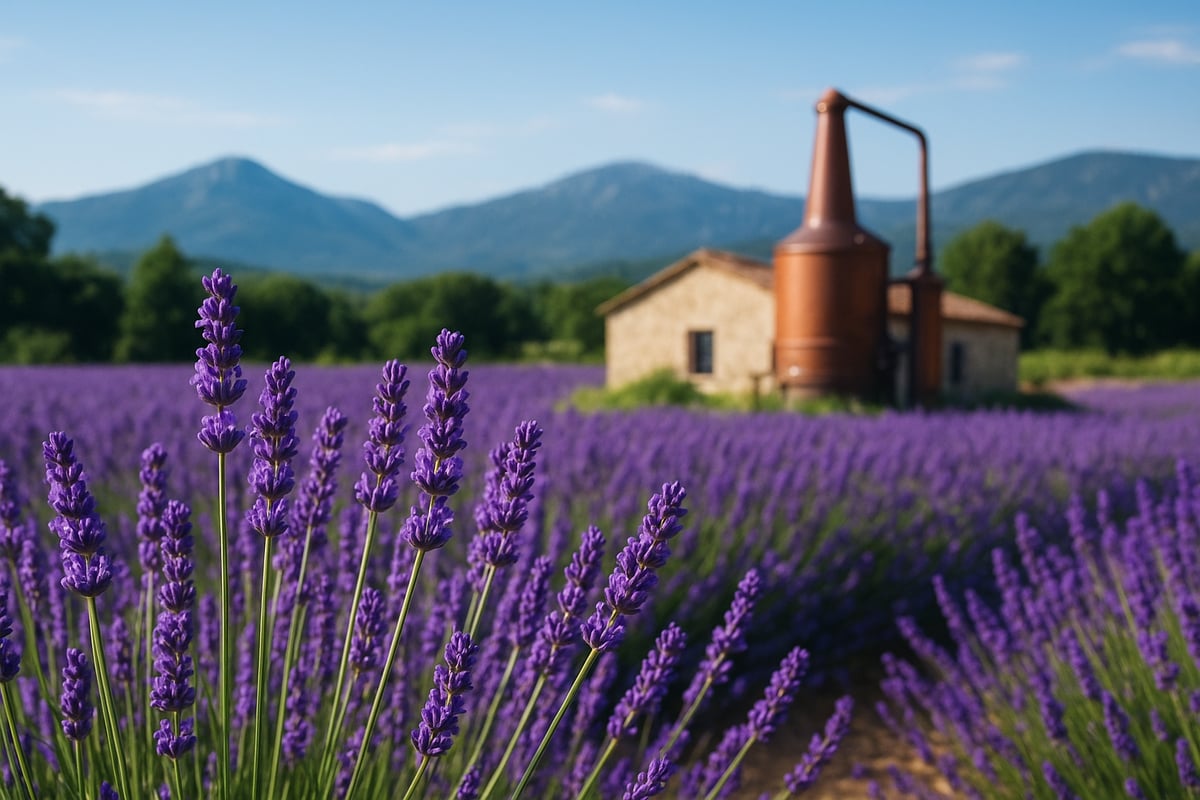
Lavender belongs to the genus Lavandula, with Lavandula angustifolia being the most valued species for essential lavender oil. This ‘true lavender’ originally grows in the Mediterranean region, but large production areas are now found in Provence, Bulgaria, England, Tasmania, South Africa, and China.
Historically, lavender was already used by the ancient Greeks and Romans for baths, medicine, and perfumes. The name ‘lavender’ comes from the Latin ‘lavare,’ meaning ‘to wash.’ There are clear differences between wild lavender, which grows at high altitudes in the mountains, and cultivated lavender, which is often grown in lower fields. Lavender oil from Provence is known worldwide for its therapeutic quality.
It takes as much as 100 to 200 kg of flowers to produce 1 liter of essential lavender oil, making the oil valuable.
Lavender Oil Production Process
The production of essential lavender oil is done through various methods. The most traditional and commonly used technique is steam distillation, where steam is passed through freshly harvested lavender flowers and the volatile oils are collected.
Additionally, there is CO2 extraction, which uses high-pressure carbon dioxide to obtain oil richer in certain components. Absolute is a solvent extraction method, mainly used for perfumes. High-quality oils, such as ‘alpine lavender,’ are often hand-harvested for optimal quality. Products from France sometimes carry the AOC label as a quality guarantee.
Distilled oil is usually liquid and light yellow, while CO2 extract is thicker and darker in color. Each method gives essential lavender oil its own scent profile and composition.
Composition and Main Components
Essential lavender oil consists of hundreds of natural components. The most important are linalool, linalyl acetate, monoterpenes, and esters. The precise composition determines not only the scent but also the oil’s effects. Linalyl acetate is mainly responsible for the calming effect, while linalool contributes to the floral freshness.
The content of these substances varies depending on the extraction method. For example, a CO2 extract often contains more linalyl acetate than a distillate. For those who want to delve deeper into the background and applications, Lavender Oil: Composition and Application offers extensive information.
A well-composed essential lavender oil is recognizable by a balanced profile of these main components.
Differences Between Lavender Oil, Lavandin, and Synthetic Variants
Not every oil with a lavender scent is essential lavender oil. Lavandin is a hybrid cross between Lavandula angustifolia and Lavandula latifolia, grows faster, and yields more oil but has a sharper scent and different composition. Spike lavender (Lavandula latifolia) contains more camphor and is often used for technical or industrial applications.
Synthetic lavender oil is made in the laboratory and lacks the complexity and therapeutic effects of natural oil. There is also a risk of adulteration when cheaper lavandin or synthetic substances are added to expensive lavender oil.
| Oil | Botanical name | Scent profile | Use |
|---|---|---|---|
| True lavender | Lavandula angustifolia | Soft, floral | Therapeutic, skin |
| Lavandin | Lavandula hybrida | Sharp, spicy | Industrial, soapy |
| Synthetic | n/a | One-dimensional | Cheap perfumes |
Always pay attention to the botanical name and origin when purchasing. Wild lavender grows up to 1600 meters in altitude and produces a particularly aromatic product.
Scientific Research and Health Benefits
Essential lavender oil is studied worldwide for its versatile effects on body and mind. Recent studies show that this oil not only promotes relaxation but also supports physical recovery. In this section, you will discover the latest scientific insights, practical examples, and data about essential lavender oil.
Psychological and Physiological Effects
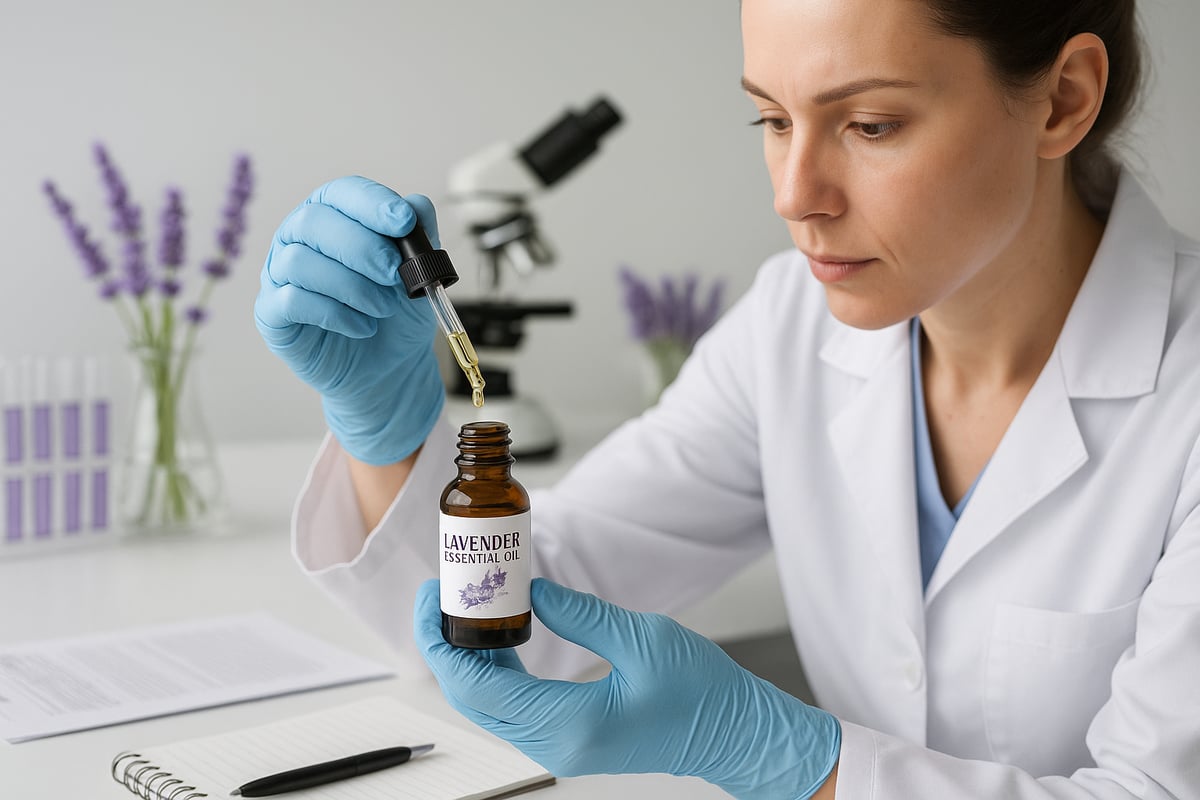
Essential lavender oil is known for its calming effect on the psyche. Various studies confirm that the oil can reduce stress and anxiety. Its effect is partly explained by its influence on serotonin levels in the brain, which positively impacts mood and relaxation.
Studies show that inhaling essential lavender oil calms the nervous system. This results in a lower heart rate and a feeling of relaxation. A single drop on the pillow can improve sleep quality, especially for people with insomnia.
For anxiety complaints, essential lavender oil is regularly used as a natural alternative. Scientific research on lavender oil for anxiety disorders shows that participants experience a clear reduction in anxiety and stress. The oil is also used during busy periods to calm the mind.
Physical Health Benefits
Essential lavender oil offers not only psychological support but also physical benefits. The oil is known for its wound-healing properties. As early as the 1930s, it was discovered that lavender oil can speed up the recovery of burns.
Additionally, essential lavender oil has anti-inflammatory, antifungal, and antibacterial properties. This makes it a valuable remedy for treating minor wounds, acne, and insect bites. The oil is also used to relax muscles and relieve pain.
Lavender oil is a popular first aid remedy in natural healthcare. Applying a small amount directly to the skin supports the healing process and reduces the risk of infections.
Use in Aromatherapy and Psychosocial Care
Aromatherapists frequently use essential lavender oil in diffusers and inhalations. The oil purifies the air, creates a pleasant atmosphere, and contributes to emotional well-being. Research shows that lavender oil has a positive effect on heart rate, breathing, and blood pressure.
In psychosocial care, essential lavender oil is used in stressful situations, such as in palliative care. It helps clients relax and can reduce pain perception. An example is the use of lavender oil during medical procedures, where patients experience less pain and anxiety.
Essential lavender oil is also used in wellness centers, massage salons, and hospitals to create a calm and supportive environment. Its versatility makes it a popular product in professional care.
Statistical Overviews and Recent Studies
Recent studies confirm the effectiveness of essential lavender oil for anxiety, sleep, and pain. Scientific analyses show that the oil contains on average 25 to 45 percent linalool and 35 to 55 percent linalyl acetate. These substances determine the scent and effects of the oil.
| Component | Percentage in oil |
|---|---|
| Linalool | 25-45% |
| Linalyl acetate | 35-55% |
The right dosage is essential for optimal results. For example, CO2-extract of lavender oil has stronger antimicrobial properties than absolute or distillate. Practical examples show that a few drops are enough for a noticeable effect, while overdosing can cause headaches.
Essential lavender oil remains the subject of new studies, further supporting its reputation as a versatile health remedy.
Practical Applications of Essential Lavender Oil
Essential lavender oil is a versatile oil that can be used in many daily situations. From relaxation to skincare and even as a flavoring, the applications are broad. Below you will find practical ways to use essential lavender oil safely and effectively, with attention to dosage, safety, and inspiring examples.
Use in the Aroma Diffuser and Inhalation
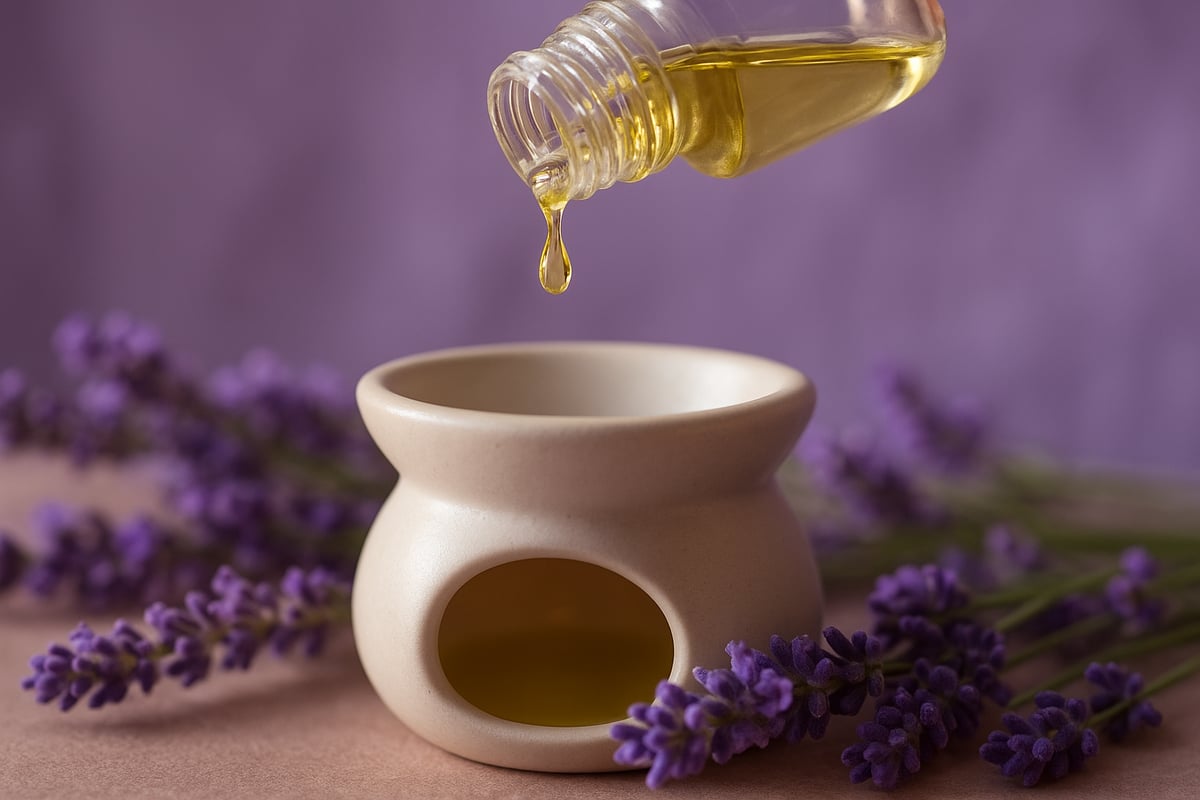
Essential lavender oil is ideal for use in an aroma diffuser or by direct inhalation. Add a few drops to water in the diffuser to freshen the air while benefiting from its calming and antifungal properties. The gentle scent helps with stress, insomnia, and headaches.
You can combine essential lavender oil with other oils such as clove or orange for a stronger effect. This creates a unique scent experience and enhances the effect. During stressful periods or with sleep problems, diffusing this oil in the bedroom is especially effective.
For those who want to learn more about aromatherapy and specific applications, Lavender Oil in Aromatherapy offers useful tips and inspiration.
An example: one to three drops of essential lavender oil in the diffuser before bedtime promotes deep and restful sleep. Always ensure good ventilation and do not use too much oil to avoid headaches.
Topical Use: On the Skin and in Massage
Essential lavender oil can be safely applied to the skin if properly diluted. Mix 2 to 10 percent oil with a plant-based carrier oil, such as almond or jojoba oil, for a relaxing massage. This helps with muscle pain, stiff joints, and improving circulation.
For small wounds, pimples, or insect bites, you can sometimes apply the oil pure, but always test on a small patch of skin first. Essential lavender oil supports skin recovery and soothes irritation.
During a massage, for example with pregnant women or people experiencing stress, the scent contributes to deep relaxation. Also use for osteoarthritis or rheumatic complaints for extra relief.
For optimal results, apply the oil after showering while the skin is still slightly damp. This allows the essential lavender oil to be better absorbed.
Use in Bath and Cosmetics
A warm bath with essential lavender oil is a proven way to relax after a busy day. Add up to ten drops to a full bath for adults. The oil disperses in the warm water and provides a calming effect on body and mind.
Essential lavender oil is also popular in homemade creams, lotions, and hair care products. It promotes healthy skin, helps with nervousness, and supports better sleep.
For a quick relaxation moment, you can take a foot bath with a few drops of essential lavender oil. This relieves tired feet and gives a fresh feeling.
Always use the oil combined with a neutral bath oil or milk for good distribution in the water. This prevents skin irritation and lets you fully enjoy the benefits of essential lavender oil.
Internal Use and Flavor Application
Essential lavender oil, if food-grade, can be used internally in small amounts. A maximum of one to two drops per day, dissolved in honey or a teaspoon of oil, is sufficient for adults.
The oil is sometimes added to floral honey, herbal tea, or desserts. This gives your dish a subtle floral flavor and lets you benefit from the calming properties. Essential lavender oil can also provide relief for early sore throat or mild restlessness.
Note: internal use is only suitable for adults and only with oils explicitly approved for consumption. Check the label and consult an expert if in doubt.
A practical example: lavender tea with a drop of essential lavender oil soothes tension and supports a good night's sleep.
Dosage, Safety, and Contraindications
When using essential lavender oil, dosage is crucial for safety and effectiveness. Below is a handy overview:
| Application | Dosage |
|---|---|
| Diffusion | 1-5 drops |
| Skin (diluted) | 2-10% |
| Bath | Max. 10 drops |
| Internal use (adults) | 1-2 drops per day |
Essential lavender oil is generally well tolerated. However, sensitive individuals may experience skin reactions, especially with overdosing or pure use. Headaches can occur with excessive diffusion.
Internal use is not recommended during pregnancy, for babies, and young children. Always test for skin sensitivity on first use and stop immediately if redness or itching occurs.
Tips for Use at Home and in Practice
Essential lavender oil is a valuable addition to the home medicine cabinet. Use the oil as a natural air freshener, add it to DIY cosmetics, or apply it for minor mishaps like wounds or insect bites.
In aromatherapy practices, essential lavender oil is often combined with other essential oils for a broad effect. Think of relaxing massages, wellness rituals, and spa treatments.
For home use: keep a bottle of essential lavender oil in the bathroom for quick relief from stress or fatigue. Add a few drops to your day cream or hair mask for extra care.
Experiment with combinations and discover which uses best suit your needs. Essential lavender oil is versatile, safe, and easy to integrate into daily life.
Quality, Purchase, and Storage of Lavender Oil
The quality of essential lavender oil determines not only the scent and effect but also safety and enjoyment of use. Those who want to fully benefit from this special oil should carefully consider origin, production method, and storage. Below you will find what to look for when buying, how to choose sustainable quality, and the best storage tips.
What Should You Look for When Buying?
When buying essential lavender oil, the botanical name on the label is essential. Always choose Lavandula angustifolia if you want the purest oil. Check the origin, such as Provence, Bulgaria, or England, as this says a lot about the quality.
Look for certifications such as AOC or organic. These indicate that the essential lavender oil was produced according to strict standards. Avoid oils with additives or synthetic fragrances. Producer transparency, such as providing analysis certificates, is an important plus.
A table can help with comparison:
| Feature | High quality | Lower quality |
|---|---|---|
| Botanical name | L. angustifolia | Lavandin/spike lavender |
| Quality mark | AOC, organic | No certification |
| Origin | Provence, Bulgaria, UK | Unknown, anonymous |
| Price | Higher, market standard | Remarkably low |
Organic and Sustainable Choices
More and more people are consciously choosing organic essential lavender oil. Organic oil is free from pesticides and other harmful residues. This is not only better for health but also supports the environment and biodiversity.
Sustainable cultivation practices, such as crop rotation and water conservation, contribute to healthy soil and reduce the ecological footprint. When purchasing, look for certifications from independent organizations. Organic essential lavender oil is often produced in small batches, allowing for greater attention to quality.
An additional benefit: organic oil is generally cruelty-free and not tested on animals. This makes it a responsible choice for conscious consumers.
Oliemeesters: Organic Lavender Oil of Top Quality
For those seeking assurance about quality and sustainability, Oliemeesters offers a wide range of organic essential lavender oil of top quality. This wholesaler supplies not only businesses but also individuals and wellness professionals.
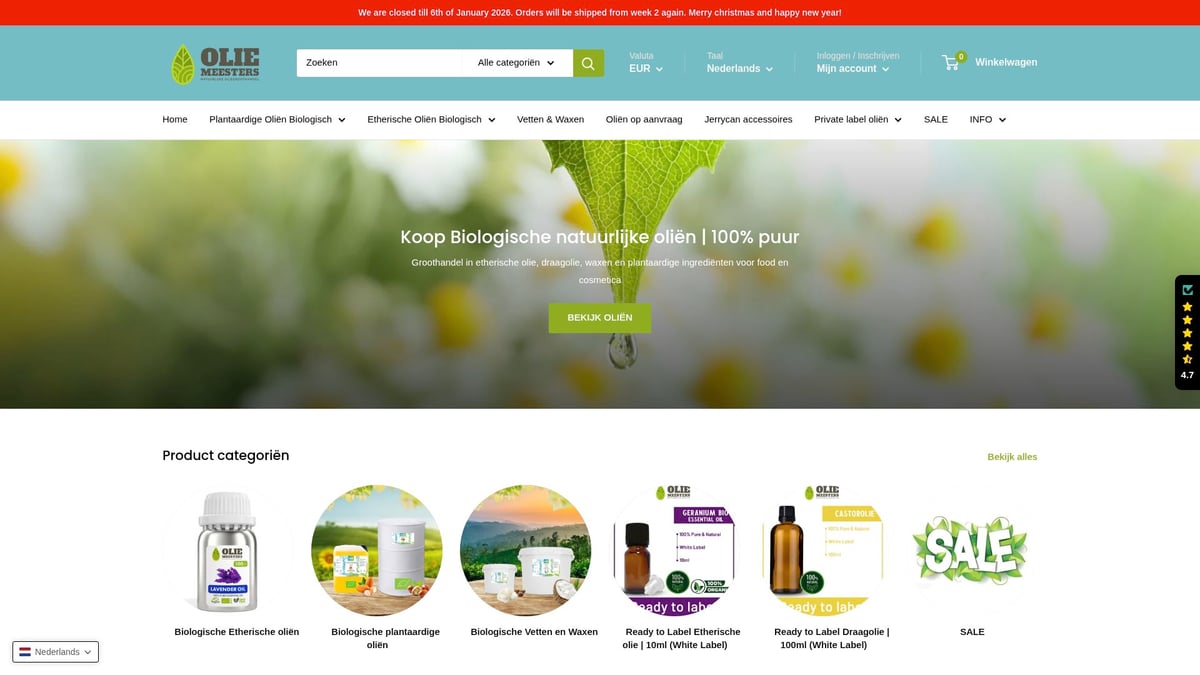
All oils are 100% pure, transparently certified, and suitable for both cosmetic and culinary use. Thanks to fast delivery and excellent customer service, Oliemeesters is a reliable partner for those who value purity and traceability.
Want to know more about the different organic lavender oils and applications? Check the current selection of Organic Lavender Oil Wholesale for detailed product information and certificates.
Storage Tips and Shelf Life
To keep essential lavender oil in good condition for a long time, proper storage is crucial. Always store the bottle in a cool, dark place, such as a cupboard or drawer. Preferably use a dark glass bottle with a tightly sealing cap.
After opening, essential lavender oil maintains optimal quality for an average of 2 to 3 years. Watch for discoloration or changes in scent, as these may indicate oxidation. Avoid contact with sunlight and heat sources, as these accelerate aging of the oil.
A handy tip: write the opening date on the label. This way, you know exactly how long the oil has been in use and can timely stock up on a fresh supply.
Dosage, Safety, and Possible Side Effects
Safe use of essential lavender oil requires knowledge of the correct dosages, attention to specific groups, and awareness of possible side effects. Below you will find practical guidelines for daily use, so you can fully benefit from the advantages of essential lavender oil without risks.
Recommended Dosages per Application
For safe use of essential lavender oil, it is important to follow the correct dosage for each application. The table below provides a clear overview:
| Application | Dosage |
|---|---|
| Diffusion | 2-5 drops per application |
| Skin | 2-10% dilution in carrier oil |
| Bath | Maximum 10 drops per full bath |
| Internal use (adults) | 1-2 drops per day, dissolved |
Preferably use a dropper for precise dosing. For small wounds, essential lavender oil can sometimes be applied pure, but always with caution. You can also read more tips on the safe use of essential oils on the page Tips for Safe Use of Essential Oils. This helps prevent overdosing and ensures you get the most out of essential lavender oil.
Safety Advice for Specific Groups
Essential lavender oil is generally safe but not suitable for everyone. Do not use the oil internally during pregnancy or with babies and young children. For sensitive skin, first test a diluted drop on the forearm and wait 24 hours for a reaction.
People with allergies or very sensitive skin should be extra cautious. In these cases, you can choose alternative oils that are milder. This way, the use of essential lavender oil remains responsible and pleasant for everyone.
Possible Side Effects and Overdose
When used correctly, side effects of essential lavender oil are rare. Sometimes redness or itching may occur, especially with pure application on the skin. Headaches can result from excessive vaporization in enclosed spaces.
Symptoms of overdose include nausea, dizziness, or an unpleasant scent experience. Stop use immediately if you experience symptoms and consult a doctor if necessary. By carefully monitoring dosage and your body's signals, you can continue to use essential lavender oil safely.
Interactions and Warnings
Essential lavender oil is not known for serious interactions with medications. However, it is wise to consult a doctor first if you have chronic conditions or are taking medication. Synthetic or counterfeit oils carry additional risks.
Always pay close attention to the label and origin when buying online. This helps you avoid unwanted effects and ensures safe use of essential lavender oil.
Trends and Innovations in Lavender Oil 2026
The world of essential lavender oil is changing rapidly in 2026. New research findings, sustainable production methods, and growing market demand bring a fresh perspective to this classic oil. What are the key trends and innovations that you as a user or professional should not miss? Below, we explore the most notable developments around essential lavender oil.
New Scientific Developments
Scientific research on essential lavender oil is ongoing. Recent studies show that this oil has a measurable effect on anxiety, sleep, and wound healing. Clinical applications are increasing, especially in healthcare settings where lavender oil is used for pain relief and stress management. Innovative extraction methods produce oils with higher purity and a richer aroma. For example, CO2 extraction is becoming increasingly popular due to the optimal composition of active compounds. Want to know more? Check the overview of scientific research on aromatherapy for current publications.
Sustainability and Transparency in the Supply Chain
Sustainability plays a central role in the production of essential lavender oil. Organic and fair trade lavender oil are rapidly gaining popularity, with increasing attention to environmentally friendly cultivation and fair labor conditions. Producers communicate transparently about origin and cultivation methods. Climate change affects lavender cultivation, leading to initiatives that promote biodiversity in traditional regions like Provence. By choosing certified oil, you contribute to a healthier planet and a fairer supply chain.
Applications in Cosmetics, Food, and Wellness
Essential lavender oil is conquering new markets as an ingredient in natural skincare, hair products, and fragrance experiences in wellness centers. Lavender is also increasingly used in food, for example in honey, tea, and desserts. In spas and aromatherapy practices, lavender oil is used for burnout and stress complaints. Research confirms that lavender scent stimulates serotonin production and has a positive effect on mood and sleep, as explained in the effects of lavender.
Market Developments and Consumer Trends
The demand for essential lavender oil is growing in both the B2B and B2C segments. Consumers are looking for private label solutions and customized products, prompting suppliers to expand their range. Prices are rising due to scarcity of high-quality raw materials and stricter quality standards. DIY users are increasingly discovering the versatility of lavender oil in home, cosmetics, and wellness. These trends make essential lavender oil more relevant and innovative than ever in 2026.
Now that you know exactly what to look for when purchasing and using essential lavender oil, you can confidently choose quality and sustainability. Whether you work professionally with essential oils or enjoy experimenting at home, at Oliemeesters you will find guaranteed pure, organic lavender oil that is carefully produced and transparently delivered. This way, you get the most out of the versatile applications you discovered in this guide, and you are assured of fast delivery and optimal service. Ready to start using your lavender oil right away? Order now for fast delivery within 1-5 days