

Natural oil underwent a true revolution in 2026. Not only in beauty but also in food, technology, and wellness, natural oil has become indispensable. This article reveals 7 surprising applications, from personalized skincare to eco-friendly cleaning.
Curious why these innovations are so relevant? Discover the benefits for you as a consumer or professional and get inspired. Read on quickly and find out how to use natural oil smartly in your daily life.
Why Natural Oil is Indispensable in 2026
The evolution of natural oils
Natural oil has held a firm place for centuries in traditional medicine, nutrition, and cosmetics. Think of olive oil for skincare or essential oils in aromatherapy. What was once mainly applied artisanally has accelerated due to modern technology and scientific research.
In recent years, the approach to natural oil has changed significantly. Innovations make it possible to extract oils while preserving active ingredients and purity. Thanks to these developments, natural oil has become a versatile ingredient, not only in beauty and wellness but also in food and even technological applications.
Interest in natural oil is further fueled by a growing number of scientific studies. Researchers demonstrate that certain plant-based and essential oils actually have effects on skin, hair, and health. This strengthens the confidence of consumers and professionals in the effectiveness and safety of natural oil.
Consumer trends show a clear shift. Transparency, sustainability, and health are central. People want to know where their products come from and increasingly choose organically certified and traceable oils. This leads to a strong increase in demand, both among consumers and businesses.
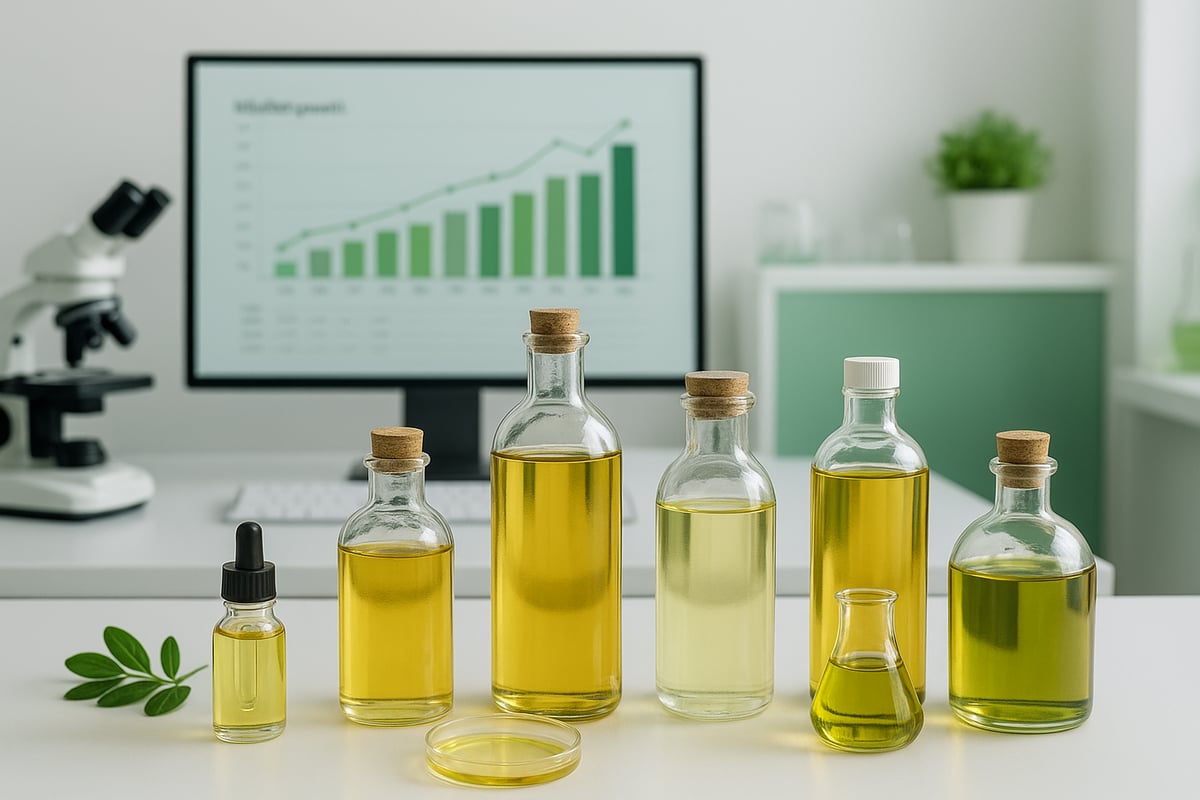
The natural oil market is growing rapidly. In Europe and worldwide, sales have increased significantly, especially in cosmetics, dietary supplements, and the wellness sector. The rise of private label and white label products makes it possible to serve niche markets and respond to specific needs. Those who want to learn more about the wide range of natural oils for cosmetics and food can visit the wholesale plant-based and essential oils.
Key Benefits of Natural Oils
What makes natural oil so special and indispensable in 2026? First of all, these oils are completely plant-based, organic, and cruelty-free. This aligns with the growing demand for ethically responsible and sustainable products in almost every sector.
The versatility of natural oil is a major advantage. It is found in skin and hair care, dietary supplements, wellness products, and even as an eco-friendly alternative in technology. Natural oil is increasingly used as a substitute for synthetic ingredients, helping companies reduce their ecological footprint.
Transparency and traceability are the standard in 2026. Consumers want to know exactly where their natural oil comes from and consciously choose products with clear certification and origin information. This increases trust and contributes to a positive brand experience.
A good example of the impact of natural oil is pure jojoba oil in sustainable skincare. This oil mimics the skin’s natural sebum, deeply hydrates, and is suitable for all skin types, minimizing waste and irritation.
In short, natural oil offers an eco-friendly, transparent, and versatile alternative to traditional products. This has made it indispensable for both the modern consumer and professionals across various sectors.
7 Surprising Uses for Natural Oil in 2026
The versatility of natural oil in 2026 knows almost no limits. Innovation and sustainability bring a true revolution in applications, from beauty to technology. The modern consumer and professional are constantly discovering new ways to use natural oil effectively and responsibly.
1. Skincare 2.0: Personalized Beauty Oil Blends
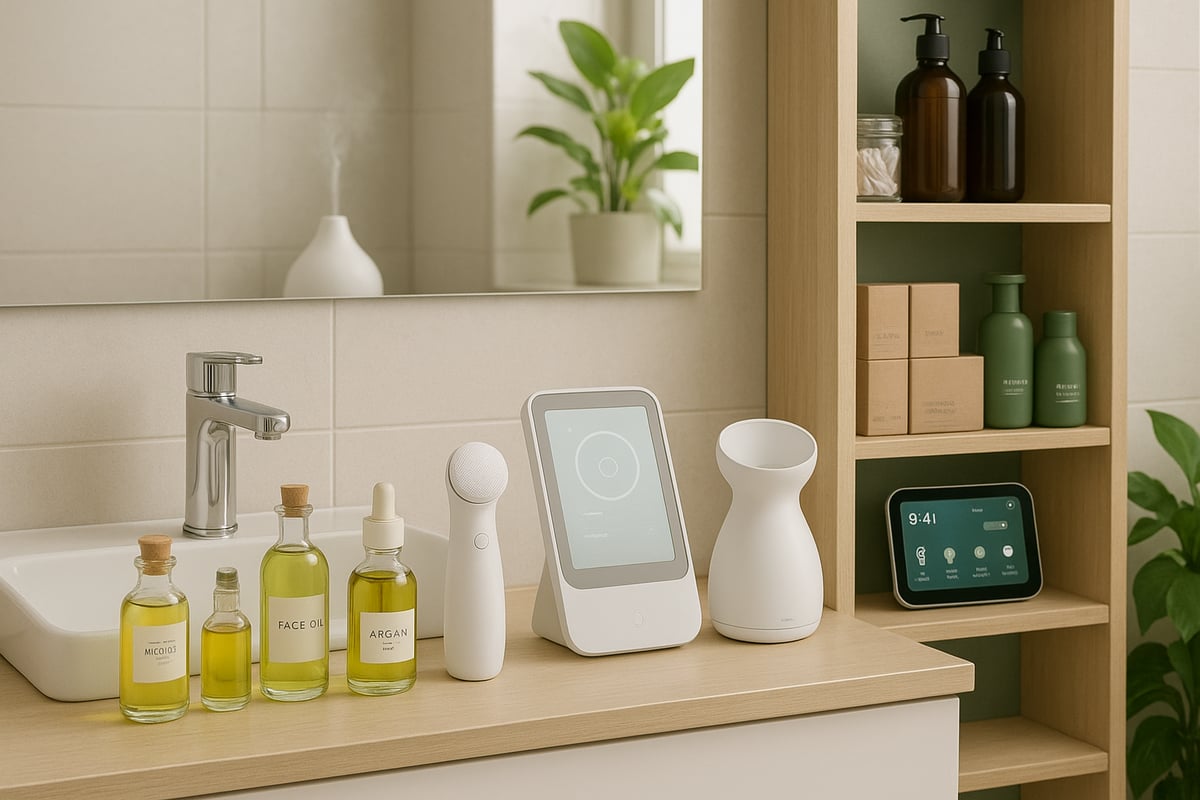
In 2026, personal skincare is completely transformed. Thanks to AI-driven skin analyses, every user receives a unique natural oil blend tailored to skin type, lifestyle, and environment. This means natural oil is no longer a single product but a smart combination of ingredients like jojoba, argan, and rosehip oil that together provide maximum effectiveness.
Beauty brands offer private label blends where consumers enter their skin goals in an app. The technology links this to the optimal natural oil mix. This creates a targeted approach to skin issues such as dryness, sensitivity, or signs of aging. At the same time, waste is reduced because the correct dosage and composition are immediately available.
The benefits of this approach are significant:
- Lower risk of allergic reactions due to transparent ingredient lists.
- Maximum results with minimal products.
- Completely vegan, cruelty-free, and organic.
The market for personalized beauty products is growing explosively. In 2025-2026, a 30% growth was even recorded, according to the Natural Skin Care Market Growth report. For beauty brands, this offers opportunities to offer unique blends as private label solutions. Future integration with smart skincare devices will provide real-time feedback and adjustments, making natural oil the core of an intelligent, sustainable skincare routine.
2. Natural Oil as Innovative Dietary Supplements
Natural oil will be indispensable in the dietary supplement aisle by 2026. The trend focuses on oils as sources of essential fatty acids, antioxidants, and micronutrients. New applications include capsules targeting specific health goals, such as omega-3 from chia seed oil or vitamin E from wheat germ oil.
A striking example is hemp seed oil, which serves as a plant-based alternative to fish oil. This perfectly meets the demand for vegan and vegetarian products. Natural oil in supplement form is easy to dose, has a neutral taste, and is suitable for a wide audience. The market is growing rapidly: in Europe, consumption of plant-based oil supplements is expected to increase by 25% in 2026.
The benefits at a glance:
- 100% plant-based and free from artificial additives.
- Scientifically supported health claims.
- Easily integrated into sports nutrition and wellness programs.
The popularity of natural oil as a supplement is also due to transparency in production and origin. Consumers value traceability from seed to capsule. With the rise of personalized supplements, a new market for customization is emerging, where natural oil is precisely tailored to individual needs.
3. Sustainable Hair Care: From Leave-in to Styling
The hair care market undergoes a green revolution in 2026. More and more people choose natural oil in their hair routine. Leave-in conditioners, hair masks, and styling products are now based on powerful oils like avocado oil for curly hair and castor oil for hair growth.
Natural oil offers unique benefits for hair:
- No silicones or parabens.
- Suitable for sensitive scalp.
- Repair of damaged hair and promotion of natural shine.
Innovation plays a major role: personalized hair oils are composed based on hair structure and needs. Think of blends for dry, colored, or fine hair. In 2026, 40% of consumers choose natural hair care. This is due to proven effectiveness and eco-friendly packaging, such as refillable and recyclable bottles.
Professional salons are increasingly working with natural oil, while DIY routines at home are becoming more popular. The future lies in transparent formulas, where consumers know exactly which oil is intended for what. This way, natural oil becomes the standard for healthy, shiny, and sustainable hair.
4. Natural Oil in Home & Living: Air Purification and Fragrance Experience
Essential oils have a fixed place in the modern household in 2026. Natural oil is used in diffusers to purify the air and create a pleasant atmosphere. Popular choices include lavender oil for relaxation and eucalyptus oil for fresh, clean air.
The trend of smart aroma diffusers, controllable via an app, makes it easy to adjust the desired scent and intensity per room. Natural oil thus contributes to a healthy living environment, stress reduction, and natural fragrance experience.
Key advantages:
- Improvement of air quality.
- Natural support for relaxation and sleep.
- Safe for children and pets thanks to child-friendly formulas.
By 2026, 60% of households use a diffuser with natural oil. Additionally, DIY room sprays and natural candles are on the rise, allowing consumers to fully customize their living environment. The future brings even more personalization, with blends tailored to mood, season, or even health goals.
5. Natural Oil as an Environmentally Friendly Cleaning Agent
Chemical cleaners are being replaced by natural oil as a safe and effective alternative. In 2026, demand for eco-friendly cleaning products has surged. Tea tree oil is used against mold, while lemon oil excels at dissolving grease.
The benefits of natural oil as a cleaning agent are clear:
- Biodegradable and safe for people and the environment.
- Multipurpose use in kitchen, bathroom, and laundry room.
- No harmful fumes or residues.
Consumers make their own all-purpose cleaners and laundry boosters with natural oil. In 2026, 50% of households choose eco-friendly cleaning products. Natural oil is also used in hospitality, schools, and healthcare facilities due to its safety and effectiveness. Refill systems and zero waste concepts encourage packaging reuse, placing natural oil at the center of sustainable cleaning routines.
6. Innovation in Aromatherapy: Stress Management & Sleep
Mental health receives full attention in 2026, with natural oil playing a key role in aromatherapy. New blends focus on stress reduction, improved focus, and sleep support. A combination of chamomile, lavender, and bergamot is widely used for a deeper, calming night's sleep.
Personal aromatherapy kits and portable inhalers make it possible to harness the power of natural oil anytime, anywhere. The use is non-invasive and supported by scientific research. In 2026, aromatherapy use for burnout symptoms increases by 35%.
Advantages:
- Immediate effect on mood and well-being.
- No addictive substances or side effects.
- Integration into wellness centers, yoga, and meditation practices.
The future brings collaboration between aromatherapy experts and healthcare, making natural oil a staple in stress management and preventive self-care.
7. Biological Oil in Technology: Natural Lubricants & Bioplastics
The technology sector embraces natural oil in 2026 as an environmentally friendly alternative to mineral oils. For example, sunflower oil is used as a lubricant in the food industry because it is safe for food processing and produces less CO2 emissions.
Innovation goes further: natural oil forms the basis for biodegradable plastics and packaging. This aligns with the circular economy and the demand for sustainable production processes. In industry, the use of natural lubricants is expected to grow by 20% in 2026.
Main benefits:
- Reduction of harmful emissions.
- Completely safe for people and the environment.
- Opportunities for collaboration between oil producers and technology companies.
With a focus on circularity and innovation, natural oil will play an even greater role in technological applications in the future. Collaboration between B2B partners accelerates the development of sustainable alternatives across various sectors.
Quality, Origin & Certification: What Should You Look For?
Transparency and quality are essential when choosing natural oil in 2026. The market has matured, leading consumers and companies to demand higher standards for origin and certification. Below you will discover exactly what to look for.
Transparency in the supply chain
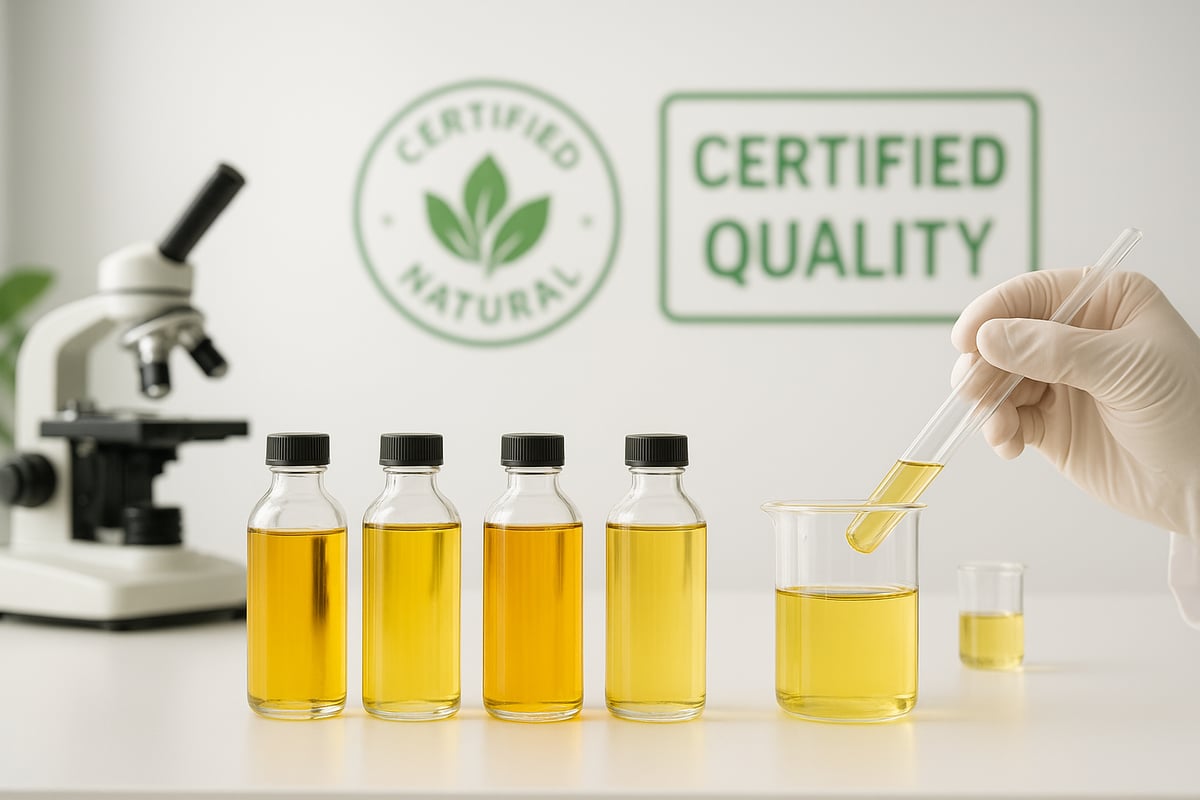
Transparency is indispensable for natural oil in 2026. Consumers want to know exactly where their oil comes from. From the seed to the final product, traceability is a must. Organic certifications, vegan labels, cruelty-free marks, and Fairtrade are now standard.
Companies invest in documentation, such as allergen lists and certificates of origin. This increases customer trust and brand value. A good example is the importance of an up-to-date allergen list for essential oils, which provides insight into potential risks and offers transparency.
Independent laboratories conduct quality checks. Increasingly, suppliers who can guarantee full transparency are being chosen. Want to learn more about the requirements and quality control? Then read more at Quality of natural oil.
Always pay attention to the following when making your choice:
- Official certifications (organic, vegan, cruelty-free)
- Complete traceability of natural oil
- Availability of laboratory reports
- Transparent communication about ingredients
Price-quality ratio and sustainability
The price of natural oil varies greatly. This depends on the origin of the oil, the production process, and the chosen packaging. Premium organic oils are often more expensive but offer greater assurance of quality and sustainability.
Sustainability aspects are becoming increasingly important. More producers are opting for recyclable or refillable packaging. This is not only environmentally friendly but also reduces the product’s carbon footprint. Bulk packaging is often more cost-effective and sustainable than consumer packaging, especially for large purchases.
| Packaging type | Price per liter | Environmental impact | Suitable for |
|---|---|---|---|
| Consumer bottle | High | Average | Private |
| Bulk packaging | Lower | Low | Business |
Private label and white label solutions are gaining ground, especially for brands that want to stand out with sustainable concepts. When choosing, pay attention to the balance between price, quality, and sustainability.
Practical tips:
- Compare the price per liter among different suppliers
- Request certificates and origin information for natural oil
- Choose sustainable packaging and refill options
Choosing natural oil consciously means investing in quality, safety, and a sustainable future.
Trends & Future Outlook for Natural Oil
The future of natural oil looks promising. In 2026, innovation will be central, with a strong increase in niche oils and exotic blends making their way to the European market. Globalization enables the integration of unique oils from different continents into existing products, giving consumers and businesses access to a wider range of high-quality natural oils.
A notable trend is the integration of natural oil into smart home devices and wearables. Think of smart aroma diffusers that offer personalized scent experiences via apps or skin analysis devices that automatically dose the ideal oil. This makes natural oil increasingly part of digital and personalized living environments.
The market for private label and white label oil products is growing rapidly, partly due to demand for transparency and sustainability. More and more brands are choosing to launch organic oils under their own label, often in collaboration with specialized wholesalers. This offers opportunities for both small entrepreneurs and large retail chains. More information about this market development can be found at Organic essential oil wholesale.
Regulations evolve alongside the growing interest in natural oil. New requirements around certification, traceability, and labeling provide greater transparency in the supply chain. Producers are investing in innovative packaging, such as recyclable bottles and refill systems, to meet stricter sustainability standards.
The rise of e-commerce and direct sales models accelerates the adoption of natural oil. Consumers expect fast delivery, clear information, and customization. Online platforms respond by offering extensive product information, customer reviews, and personalized recommendations.
Collaborations between oil brands and technology companies are creating new applications that were unthinkable just a few years ago. Think of personalized aromatherapy via wearables or natural oil as a base for biodegradable packaging. This kind of innovation contributes to the circular economy and offers new revenue models within the sector.
An overview of key trends for natural oil:
| Trend | Expected Impact after 2026 |
|---|---|
| Niche oils and blends | More diversity in offerings |
| Smart home integration | Personalized applications |
| Private/white label growth | More brands, broader distribution |
| Sustainability innovation | Less waste, lower CO2 emissions |
| Direct sales & e-commerce | Faster adoption and transparency |
Looking ahead to the period after 2026, natural oil will play an increasingly central role in various sectors, from wellness to technology. Market analyses, such as the Essential Oils Market Analysis 2024, confirm that innovation and sustainability will remain leading in the coming years.
In short, those who invest in natural oil invest in the future. New technologies, stricter regulations, and growing awareness around sustainability ensure that natural oil further strengthens its position as an indispensable ingredient.
Now that you have discovered how versatile and innovative natural oils can be in 2026 for both personal care and professional applications, you might be eager to get started yourself. Whether you want to create a unique oil blend for your skin, are looking for sustainable hair care, or want your business to benefit from high-quality, pure oils: at Oliemeesters you will always find a reliable source. We supply only 100% pure, organic, and cruelty-free oils with a focus on quality and sustainability. Want to benefit immediately from fast delivery and a wide selection? Order now fast delivery within 1–5 days