

The essential oils wholesale market is growing fast and offers plenty of opportunities for entrepreneurs, retailers, and professionals. With rising demand in sectors like cosmetics, wellness, and food, gaining insight into reliable sourcing, quality, and current market trends is crucial.
This guide takes you step by step through the key topics. You will discover market developments, smart purchasing strategies, quality control, regulations, logistics, and future trends. With the right knowledge, you can increase your success in essential oils wholesale.
Follow the guide and take the first step toward a profitable and sustainable position in this dynamic industry.
The Essential Oils Market through 2026
The essential oils wholesale market is rapidly evolving toward 2026. Worldwide demand is rising, driven by trends in health, wellness, and sustainability. Entrepreneurs in this sector see growing opportunities, especially when they respond to market developments and focus on quality and reliable sourcing.
Current Market Growth and Statistics
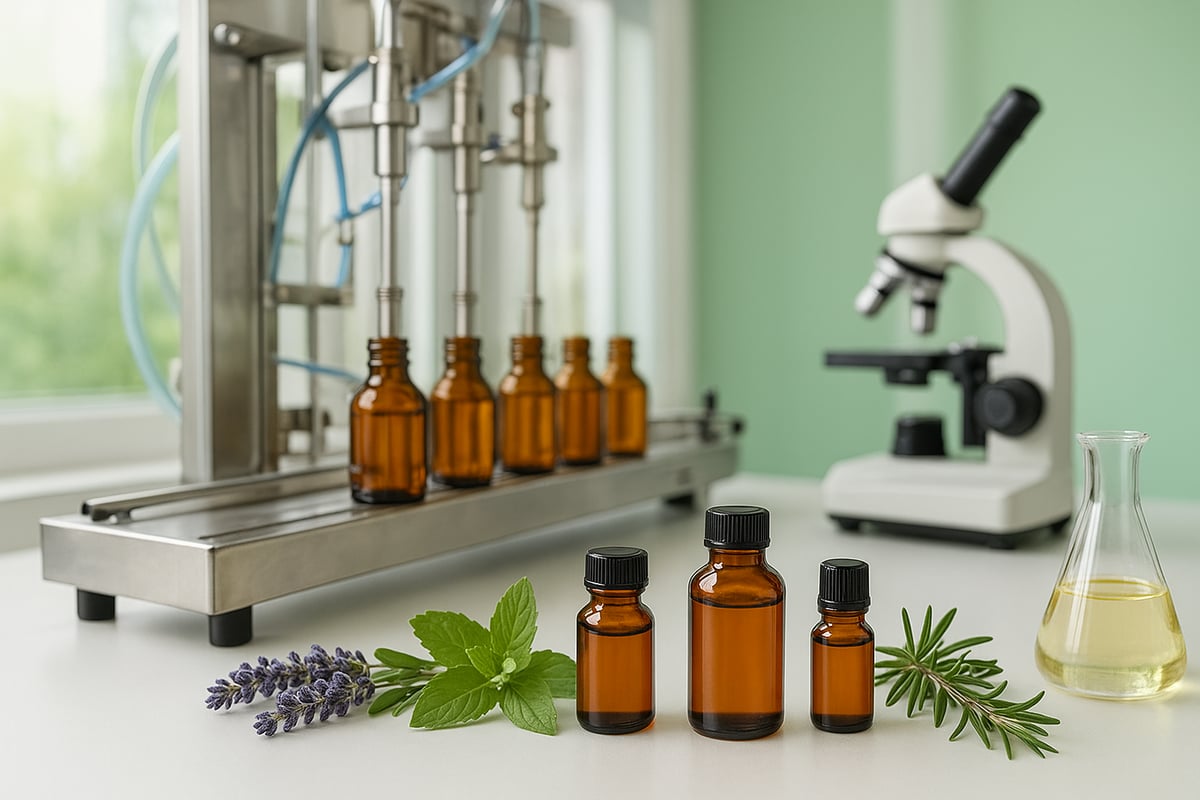
The value of the global essential oils market is estimated at $12.1 billion by 2026, with an average annual growth rate (CAGR) of about 8% according to recent analyses. This reflects the growing role of essential oils wholesale in sectors such as cosmetics, wellness, food, and aromatherapy. Demand for organic and sustainable products is especially strong. In Europe, for example, lavender oil is increasing in popularity among both consumers and producers. More statistics and current forecasts can be found in this overview of the global essential oils market. Entrepreneurs who follow these developments increase their chances of success in essential oils wholesale.
Key Producers and Exporting Countries
India, France, Australia, and China are among the largest exporters of essential oils. Production in these countries largely determines the supply within the essential oils wholesale market. Climate change affects harvests, leading to fluctuations in availability and price. For example, drought can limit the production of sandalwood and eucalyptus. Additionally, there are clear regional differences in quality and price, making the selection of the right origin crucial for buyers.
Trends and Innovations in the Industry
Within the essential oils wholesale market, there is a strong rise of niche oils such as yuzu and cajeput. These unique oils find their way to new applications and markets. Innovation plays a major role thanks to improved extraction technologies, such as CO2 extraction, which ensure higher purity and a lower environmental impact. Digitalization also makes purchasing and distribution more efficient. Wholesalers increasingly rely on automated inventory management systems and online platforms to better serve customers.
Supply and Demand within Europe and the Netherlands
The European market is characterized by a growing number of local producers and short supply chains. In the Netherlands, the import of essential oils increases annually, supported by successful collaborations between farmers and wholesalers. This promotes transparency and traceability within the essential oils wholesale market. Local initiatives respond to buyers' demand for sustainable, high-quality products. This creates a dynamic environment where innovation and collaboration are central.
Purchasing Strategies for Essential Oils Wholesale
Setting up a successful essential oils wholesale business requires strategic purchasing. Every step in the procurement process affects the quality, reliability, and profitability of your enterprise. In this section, you will discover how to select suppliers, compare prices, ensure quality, integrate sustainability, and optimize logistics.

Selection of Reliable Suppliers
For an essential oils wholesaler, selecting reliable suppliers is crucial. Pay attention to certifications like organic and fair trade, transparent communication, and full traceability of raw materials. Always verify origin and production methods through due diligence, including requesting test results and audits.
Important Criteria:
- Certification (ISO, Ecocert, SKAL)
- Transparency about Production and Origin
- Traceability through Documentation and Batch Numbers
A good example is working with a organic essential oils wholesaler, where certification and transparency are central. This builds a solid foundation for your purchasing strategy.
Price Comparison and Negotiation
The price of essential oils within the wholesale market is influenced by various factors. Consider seasonal effects, scarcity, and transportation costs. It pays off to consult price indexes and market analyses for an objective comparison.
Key Price Factors:
| Factor | Impact on Price |
|---|---|
| Season | High/Low Supply |
| Transportation Costs | Varies by Region |
| Scarcity | Price Increase |
Effective negotiation strategies include bulk purchasing, fixed contracts, and flexibility with delivery dates. This way, you optimize margins within your essential oils wholesale business.
Quality Control and Laboratory Testing
Quality control is essential in every essential oils wholesale. Conduct laboratory tests, such as GC-MS analysis, to verify purity and composition. Monitor batch consistency and ensure complete documentation per delivery.
Essential tests:
- GC-MS analysis for purity
- Batch consistency control
- Access to purity reports
Quality deviations can lead to recalls or reputational damage for your essential oils wholesale. Always ensure clear processes and quick follow-up on deviations.
Sustainability and ethics in the supply chain
Sustainability is increasingly important for an essential oils wholesaler. Choose suppliers who use sustainable harvesting methods and fair trade. Certifications like Fair Trade and organic labels increase your brand value and customer trust.
Practical examples:
- Collaboration with farmer cooperatives
- Transparency about working conditions
- Investing in local projects
By investing in sustainable partnerships, your essential oils wholesale builds a future-proof supply chain and stands out in the market.
Logistics and inventory management
Optimal logistics are indispensable for every essential oils wholesaler. Store oils in a cool, dark place and use packaging that protects against light and oxygen. Labeling must comply with EU traceability standards.
Inventory management tips:
- Use just-in-time deliveries to ensure freshness
- Automate inventory management for efficiency
- Check packaging for airtightness and material
By organizing logistics smartly, you minimize losses and maximize quality within your essential oils wholesale.
Quality, Certification & Legislation
Ensuring quality is essential for every essential oils wholesaler. In a market where purity and reliability are central, transparent quality standards and clear regulations make the difference between success and risk. Below you will find the key aspects regarding certification, legislation, and liability for essential oils wholesalers.
Main quality standards and certifications
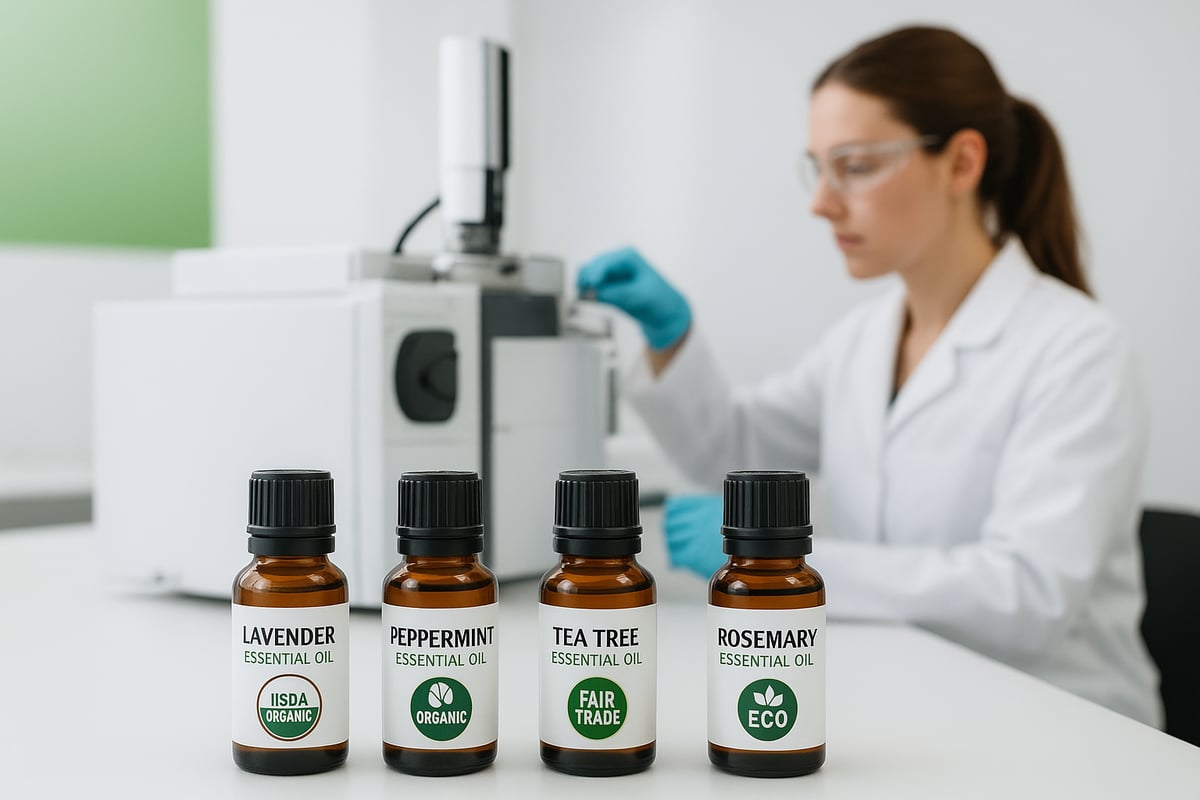
For essential oils wholesalers, complying with international quality standards is a must. Certifications like ISO, Ecocert, SKAL, and COSMOS lead the way for organic and conventional oils. Each certification sets specific requirements for origin, production, and traceability.
| Certification | Application | Feature |
|---|---|---|
| ISO | General | International quality standard |
| Ecocert | Organic | Sustainable production control |
| SKAL | NL Organic | Strict Dutch organic certification |
| COSMOS | Cosmetics | Natural and organic standard for cosmetics |
The certification process often requires extensive documentation and periodic audits. Those who want to learn more can read about certification and quality control of essential oils. This ensures that your essential oils wholesale meets the highest standards.
European and Dutch regulations
The European Union and the Netherlands impose strict requirements on wholesale essential oils. Guidelines for labeling, safety, and claims are established in, among others, REACH and CLP. This means every batch of oil must have correct labels, including hazard symbols and usage instructions.
Importers and distributors of wholesale essential oils are required to register with relevant authorities. Failure to comply with these rules can lead to fines or even product withdrawal. Staying up to date with legislation is therefore crucial.
Traceability and transparency
Traceability is indispensable within wholesale essential oils. From farmer to end user, every batch of oil must be traceable through batch numbers and documentation. More and more companies are investing in digital tracking and blockchain to increase this transparency.
A good traceability system enables quick recalls in case of quality issues. This not only protects consumers but also strengthens trust in your wholesale essential oils business. Transparency is a valuable selling point in a competitive market.
Risks and liability
Working in wholesale essential oils involves legal risks. Non-compliance can lead to claims or reputational damage. That is why having good liability insurance is essential.
Incorrect labeling or insufficient quality control can have major consequences. Take, for example, a recall after a batch error. By actively managing risks and continuously investing in quality, your wholesale essential oils business remains reliable and future-proof.
Important Essential Oils and Applications for 2026
The wholesale essential oils market is developing rapidly. Entrepreneurs and buyers see growing demand for specific oils, both in traditional and innovative sectors. By gaining insight into the key oils and their applications, you as a wholesale essential oils supplier will be better prepared for the trends of 2026.
Top 10 most requested essential oils
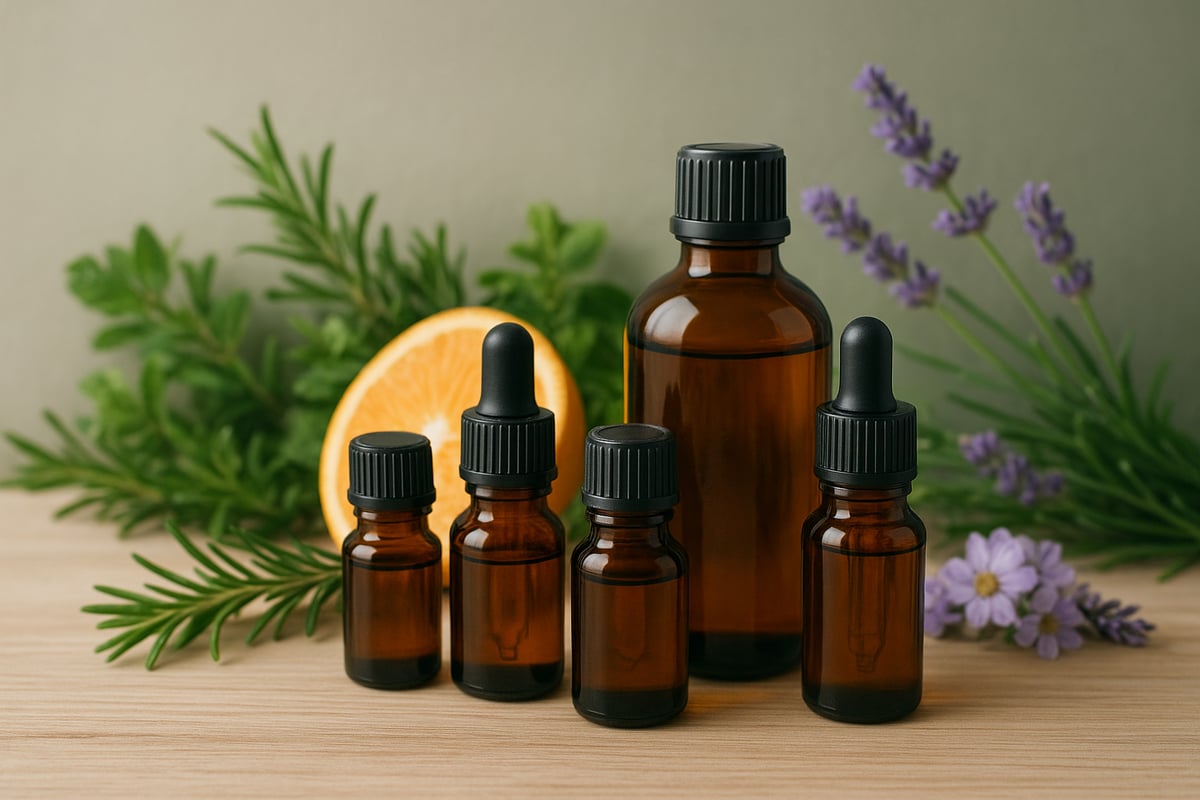
The top 10 essential oils in wholesale essential oils are still leading the market. Lavender, tea tree, peppermint, eucalyptus, lemon, rosemary, orange, ylang-ylang, sandalwood, and frankincense are widely used. According to recent figures, lavender oil holds the largest market share in Europe. Would you like to respond to this trend as a wholesale essential oils supplier? Then check the Lavender essential oil wholesale organic page for a practical example, product information, and purchasing options.
- Lavender: calming, popular in wellness
- Tea tree: antimicrobial, versatile
- Peppermint: refreshing, also in food
- Eucalyptus: respiratory support
- Lemon: fresh, often in cleaning products
- Rosemary: stimulating, in hair care
- Orange: cheerful, aromatherapy
- Ylang-ylang: relaxing, perfumery
- Sandalwood: luxury, skincare
- Frankincense: traditional, spiritual uses
New and Emerging Oils
Besides the well-known classics, new oils are gaining ground in wholesale essential oils. Yuzu, cajeput, turmeric, and black cumin are on the rise. These oils stand out for their unique scent, effects, and sustainability. Yuzu is valued in perfumery and skincare for its fresh citrus note. Turmeric oil is popular for its anti-inflammatory properties. Producers increasingly choose these special oils to differentiate themselves in a competitive market.
Applications in Cosmetics and Wellness
Cosmetics and wellness are important markets for wholesale essential oils. Manufacturers incorporate oils like lavender, rosemary, and ylang-ylang into creams, serums, and massage oils. The trend toward clean beauty and vegan formulas drives demand for organic, pure oils. Brands seek transparent origins and sustainable cultivation. In wellness centers, essential oils are used for aromatherapy, relaxation massages, and skin treatments.
Use in Food and Beverage
Wholesale essential oils also find their way into the food industry. Lemon, lime, and peppermint are added as natural flavorings to beverages, candy, and even baked goods. Lime oil is a favorite ingredient in soft drinks and cocktails. The purity and traceability of these oils are essential because they must meet strict food safety standards. Manufacturers therefore choose certified suppliers and transparent supply chains.
Industrial and Therapeutic Applications
Industrial applications of wholesale essential oils are growing rapidly. Companies use eucalyptus and tea tree oil in cleaning products and air purification systems. Additionally, there are therapeutic uses, such as in aromatherapy and natural medicines. Statistics show significant growth in B2B applications, especially within the cleaning and health sectors. The versatility of these oils makes them attractive to a wide range of industries.
Oliemeesters: Your Partner in Organic Essential Oils
Are you looking for a reliable partner in wholesale essential oils? Oliemeesters specializes in organic, 100% pure, and cruelty-free essential oils. They offer private label solutions for both B2B and B2C markets. Quality and sustainability are central, with global sourcing and strict quality controls. Oliemeesters collaborates with cosmetic brands that value transparency and ecological responsibility. This ensures you a strong product range and a stable supply chain in wholesale essential oils.
Future trends and innovations in essential oils
The wholesale essential oils sector is rapidly evolving toward 2026. New technologies, changing market demand, and sustainability form the core of this transformation. Those who want to stay ahead must know the key trends and innovations.
Digitalization and automation of wholesale
Digitalization is transforming wholesale essential oils profoundly. More and more companies are switching to online B2B platforms, where orders, inventory management, and customer contact are fully digital. This leads to greater efficiency and faster delivery times.
Inventory management systems are now linked to real-time data. This allows wholesalers to accurately align their stock with demand. Think of systems that automatically reorder when inventory falls below a certain threshold.
Through digitalization, companies within wholesale essential oils can better differentiate themselves. Automation reduces errors and increases customer satisfaction, which is essential in a competitive market.
New extraction methods and technology
Innovations in extraction offer great opportunities for wholesale essential oils. CO2 extraction and ultrasonic extraction are techniques that ensure higher purity and a lower environmental impact than traditional methods.
CO2 extraction uses pressurized carbon dioxide to extract oils without high temperatures. This better preserves the natural scent and active compounds. Ultrasonic extraction speeds up the process and minimizes energy consumption.
These new technologies enable wholesale essential oils to deliver top-quality products while operating sustainably. Investing in innovation thus becomes a distinguishing factor in the industry.
Sustainability and circular economy
Sustainability has become an indispensable theme within wholesale essential oils. More and more companies process residual streams, such as citrus waste, into valuable by-products. This minimizes waste and creates additional revenue sources.
A circular approach means maximizing the use of raw materials. For example, using orange peels in the production of cleaning products or aromas alongside orange oil. This increases efficiency and contributes to a positive image.
For wholesale essential oils, integrating sustainability is not only a moral choice but also a strategic advantage. Customers increasingly value transparent supply chains and environmentally friendly processes.
Changing Consumer Behavior and Market Demand
Consumers are placing increasingly higher demands on wholesale essential oil products. The demand for clean label, vegan, and organic oils is steadily growing. In 2025 and 2026, buyers are more often choosing brands with clear origin and fair production.
Statistics show that transparency and sustainability are decisive in purchasing decisions. Companies that respond to this trend strengthen their competitive position.
For up-to-date market insights and in-depth trends, it is advisable to consult the Essential Oils Market Trends 2026. By responding to changing behavior, wholesale essential oils can optimally prepare for the future.
Practical Steps for Successful Entrepreneurship in Wholesale Essential Oils
Those who want to succeed in wholesale essential oils follow a structured approach. Each step in this process contributes to sustainable growth, customer satisfaction, and regulatory compliance. This overview provides practical guidelines that you can apply directly in your business.
Step 1: Market Research and Target Audience Analysis
Thorough market research forms the foundation of every successful wholesale essential oils business. Analyze current demand, identify trends, and discover potential niches. Use tools like Google Trends, industry associations, and market reports to gain insight into consumer behavior and competition.
Ask yourself questions like: Which oils are most in demand? In which sectors is demand growing? These insights allow you to tailor your offerings and marketing strategy to the right target audience.
Step 2: Establishing a Reliable Supply Chain
A reliable supply chain is essential for wholesale essential oils. Select suppliers based on certifications, transparency, and traceability of origin. Use supply chain mapping to identify bottlenecks and risks.
Want to be sure of quality and authenticity? Then consult the guide to selecting quality wholesale essential oils for practical criteria and tips. This increases your chances of success in establishing sustainable partnerships.
Step 3: Product Development and Private Label Opportunities
Consider developing your own brand or private label within wholesale essential oils. Determine which oils are relevant to your target audience and invest in attractive, functional packaging.
When developing products, pay attention to branding, positioning, and legal requirements. Collaborate with laboratories to test new formulas and provide clear product information. A strong brand increases your market differentiation.
Step 4: Compliance with Laws and Regulations
Compliance with European and Dutch regulations is crucial in essential oils wholesale. Think about labeling, safety, and documentation. Use checklists to avoid missing anything and consult current guidelines.
Want to learn more? Check the European regulations for essential oils according to ECHA for guidelines on identification, classification, and registration. This helps you reduce legal risks and build trust with customers.
Step 5: Marketing and Sales Strategies
Effective marketing is essential for growth in essential oils wholesale. Use both online and offline channels, such as a professional website, social media, trade fairs, and industry magazines. Storytelling about sustainability and quality works well to convince customers.
Implement a multichannel strategy and regularly analyze the results. A successful B2B marketing campaign combines visibility, credibility, and customer focus.
Step 6: Customer Service and Aftersales
Long-term customer relationships are the core of a successful essential oils wholesale business. Provide fast, expert support and implement a system for feedback and complaint handling. This helps continuously improve your service.
Invest in aftersales by proactively maintaining contact and informing customers about new developments. This builds loyalty and a strong reputation within the industry.
Now that you are fully updated on the latest market trends, quality standards, and future opportunities in the world of essential oils, it’s time to make a difference yourself. Whether you are a new entrepreneur or want to expand your existing range, it’s all about reliable products and fast delivery. At Oliemeesters, you’ll find a wide selection of 100% pure, organic carrier oils and base oils that directly meet your business needs. Want to quickly replenish your stock and benefit from our expertise and service? Then check out the range now: Order now – fast delivery within 1-5 days
Article written using RankPill.