

The demand for bulk oils for cosmetics is growing fast and will form the backbone of successful cosmetic companies by 2026. Whether you are a startup entrepreneur or an established player, understanding bulk oils for cosmetics is essential to keep innovating and competing. In this guide, you will discover everything you need to know: from choosing the right oil to leveraging the latest trends and purchasing strategies. Read on and future-proof your cosmetic products with practical knowledge and inspiring examples.
What Are Bulk Oils for Cosmetics?
The demand for bulk oils for cosmetics is growing rapidly in Europe. But what makes these oils so important for the modern cosmetics industry? In this section, we dive into the essence of bulk oils, their applications, and how sustainability is becoming increasingly important in production and purchasing.
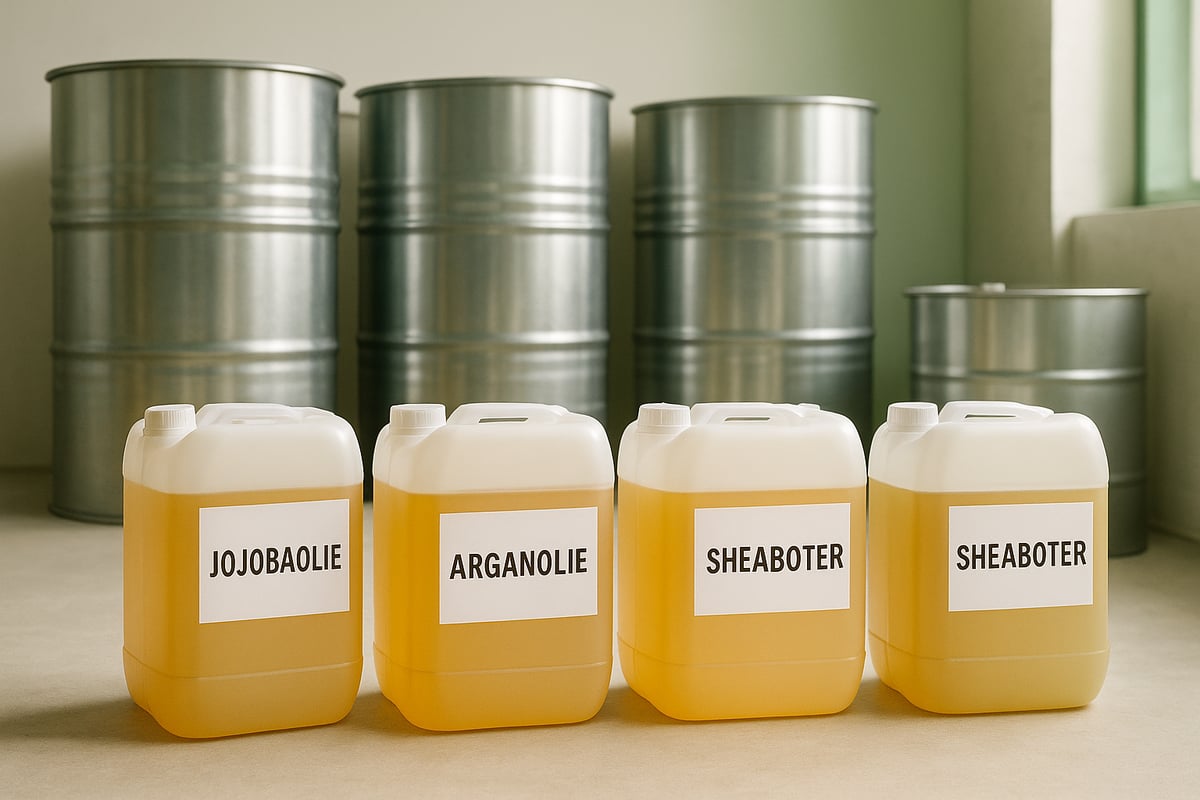
Definition and Characteristics of Bulk Oils
Bulk oils for cosmetics refer to vegetable and essential oils purchased in large quantities, usually from 5 liters up to full industrial drums. This differs significantly from retail packaging, which often contains only a few dozen milliliters. The main advantage of bulk oils for cosmetics is the economy of scale: larger volumes mean lower costs per liter, which is essential for producers and brands aiming to manufacture efficiently.
Quality standards play a major role. Think of organic certification, cold-pressed extraction, and various refining levels. Organic certified oils are increasingly popular, partly due to growing attention to natural ingredients. According to Statista, the demand for bulk oils for cosmetics in Europe increased by 12% in 2023.
Typical examples of commonly used oils are jojoba oil, argan oil, almond oil, coconut oil, and shea butter. See the overview below:
| Oil | Property | Application |
|---|---|---|
| Jojoba Oil | Skin-identical, moisturizing | Facial Serums |
| Argan Oil | Nourishing, rich in vitamin E | Hair and Skin Care |
| Shea Butter | Intensely nourishing, solid form | Body Butters |
Both small and large cosmetic companies benefit from the advantages of bulk oils for cosmetics. Want to learn more about purchasing oils in bulk for cosmetic uses? Then read the article Buying Bulk Oils for Cosmetics for practical tips and insights.
Main Applications in Cosmetics
Bulk oils for cosmetics are used in various ways. They form the base of skincare products such as creams, lotions, and serums. In hair care, oils like argan and jojoba are popular for their nourishing properties. Bulk oils for cosmetics are also essential for massage oils and even makeup.
Some common applications:
- Carrier oil for essential oils in blends
- Base for body butters (for example, shea butter)
- Nourishing ingredients in hair masks
- Hydrating components in facial oils
The difference between single oils and blends is important. Single oils, like pure jojoba or almond oil, are used directly. Blends combine multiple oils for specific effects or skin types. Shea butter, for example, is popular as a base for rich body butters, while jojoba oil is often added to light facial serums.
Sustainability and Ethics in Bulk Oil Production
Sustainability is now indispensable in bulk oils for cosmetics. Producers increasingly focus on fair trade, organic cultivation, and environmentally friendly production processes. Organic farming reduces environmental impact and supports biodiversity. Certifications such as Ecocert, Soil Association, and COSMOS offer consumers and companies extra assurance about the origin and quality of the oils.
Transparency in the supply chain is becoming increasingly important. More and more suppliers provide insight into the entire supply chain, from plantation to final product. This makes it possible to consciously choose bulk oils for cosmetics that are not only good for the skin but also for people and the environment.
Example: Some producers collaborate with local women’s cooperatives in West Africa to produce shea butter. This promotes fair trade and supports local communities. Traceability and ethical sourcing are therefore important selection criteria for any cosmetic brand aiming to be future-proof.
Main Types of Bulk Oils for Cosmetics in 2026
The selection of bulk oils for cosmetics in 2026 is larger and more innovative than ever. Manufacturers and brands are looking for oils that are not only functional but also align with trends like sustainability and personalization. Below is a current overview of the main categories and their unique properties.
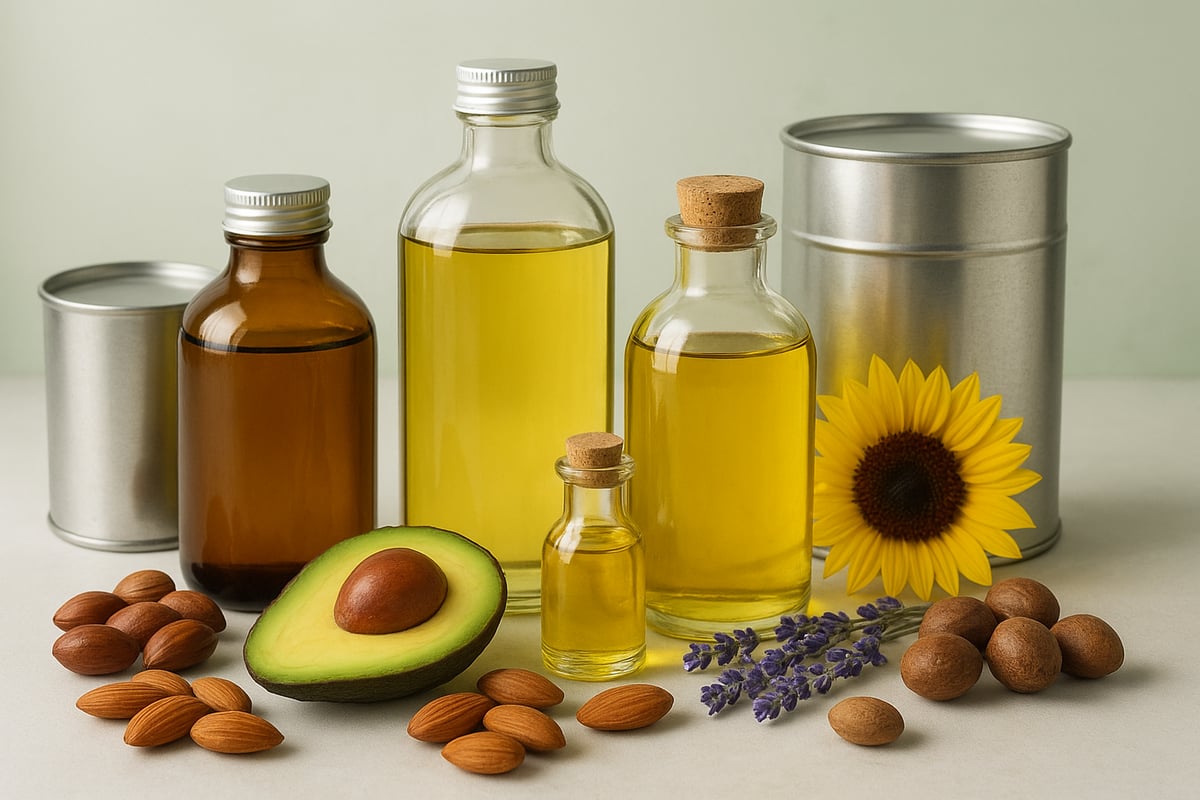
Vegetable Oils
Vegetable oils form the backbone of bulk oils for cosmetics. They are valued for their versatility and gentle effects. Some popular options:
- Jojoba oil: Closely resembles skin sebum, hydrates without clogging, and is suitable for all skin types. Want to know more? Read the detailed article about jojoba oil wholesale and applications.
- Sweet almond oil: Rich in vitamin E, it soothes and calms.
- Avocado oil: Nourishing, contains plenty of omega-9 and plant sterols.
- Sunflower oil: Light in texture, ideal for sensitive skin and baby care.
According to Cosmetics Europe, these oils are among the top five most used bulk oils for cosmetics in the European market. The demand for plant-based oils continues to rise, partly due to the focus on natural ingredients and transparency.
Essential Oils
Essential oils are concentrated extracts that add aroma and functional benefits to bulk oils for cosmetics. Popular choices include:
- Lavender oil: Known for its calming effect, widely used in skin and hair care.
- Tea tree oil: Antibacterial, favored in products for blemished skin and acne.
- Rose oil: Luxurious oil with anti-aging properties, often used in serums and creams.
When using essential oils in bulk oils for cosmetics, safety is crucial. They must always be diluted in a carrier oil, as pure essential oils can irritate the skin. Product developers strictly monitor maximum concentrations and mixing instructions for optimal safety.
Natural Fats and Waxes
Besides liquid oils, solid fats and waxes are essential within bulk oils for cosmetics. They provide texture, protection, and care. Some commonly used options:
- Shea butter: Rich in fatty acids, intensely nourishing and soothing. Ideal as a base for body butters and hair masks.
- Cocoa butter: Known for its melting point at skin temperature, perfect for lip balms and hand creams.
- Beeswax: Acts as a natural emulsifier and stabilizer in creams and balms.
A typical example is the use of shea butter in luxury skincare, where it protects the skin for a long time and keeps it supple. Natural fats are indispensable in bulk oils for cosmetics due to their rich composition and multifunctional nature.
Emerging and Trendy Oils
The market for bulk oils for cosmetics is rapidly innovating with new, exotic oils. By 2026, niche oils are especially on the rise:
- Hemp seed oil: Rich in omega-3 and 6 fatty acids, with anti-inflammatory and soothing effects.
- Marula oil: Lightweight, absorbs quickly, and packed with antioxidants.
- Baobab oil: Hydrating and popular with natural cosmetic brands.
According to Mintel, the demand for this niche bulk oils for cosmetics is growing by 20 percent annually. This is because consumers are increasingly seeking unique, sustainable, and functional ingredients for their personal care. Innovation and storytelling are decisive for success in this category.
Selection Criteria: How to Choose the Right Bulk Oil for Your Cosmetic Line?
Selecting the right bulk oils for cosmetics is a crucial step for any cosmetic brand, regardless of size. A strategic choice determines not only the quality of the final product but also the sustainability, price, and reputation of your brand. This section discusses the main selection criteria for bulk oils for cosmetics, so you can make the right decisions with confidence.
Quality and Certification
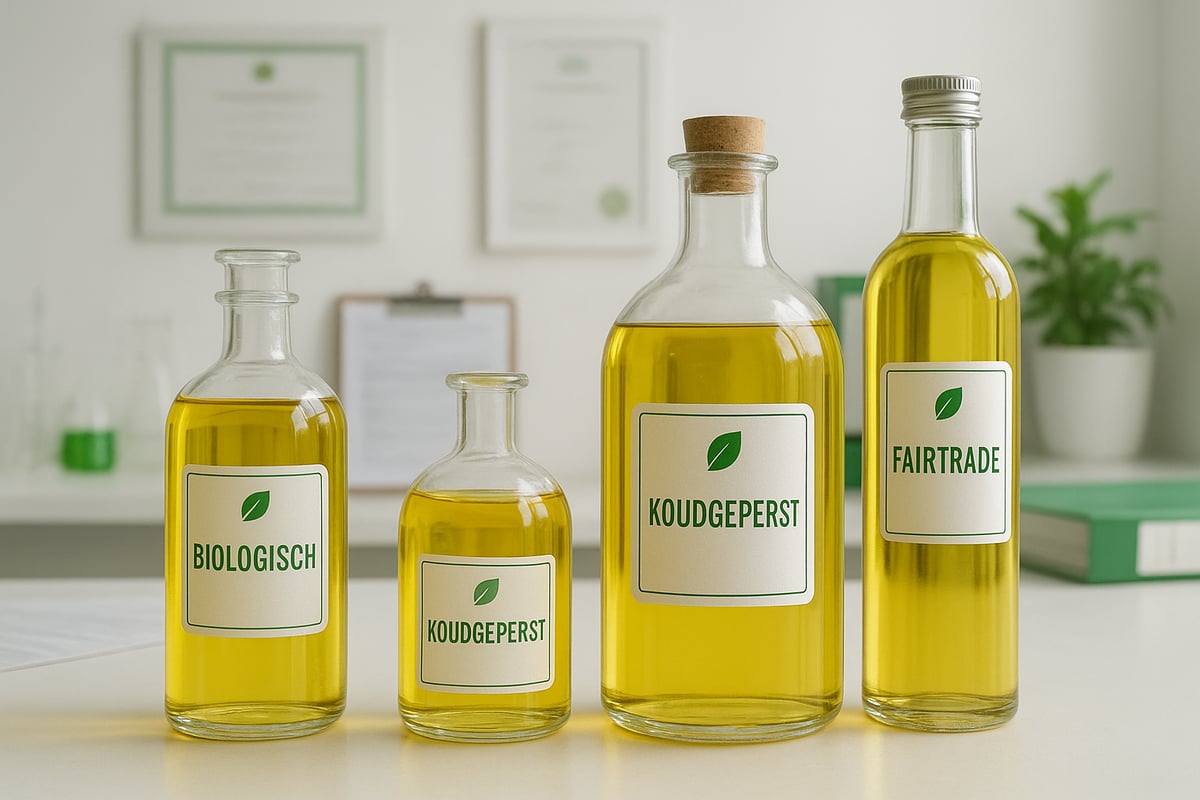
Quality is the foundation when choosing bulk oils for cosmetics. Organic and fair trade certifications not only provide assurance of purity but also strengthen your brand story. Look for labels such as Ecocert, COSMOS, and Soil Association. Always request laboratory reports with information on purity, pesticide residues, and allergens.
An important aspect is the production process: do you choose cold-pressed or refined oils? Cold-pressed oils retain more active substances, while refined oils often have a longer shelf life. The difference between these two types is crucial for the performance and experience of your final product. Read more about the difference between cold-pressed and refined oil to make an informed choice.
Also pay attention to batch consistency and request current analyses. This ensures that the bulk oils for cosmetics you use meet the highest quality standards.
Certification Comparison (example):
| Certificate | Focus Area | Suitable for bulk oils for cosmetics? |
|---|---|---|
| Ecocert | Organic | Yes |
| COSMOS | Organic/Natural | Yes |
| Soil Association | Organic | Yes |
Origin and Traceability
The origin of bulk oils for cosmetics determines not only the quality but also the unique profile of the oil. Transparency in the supply chain is essential. Ask suppliers about the entire process from seed to bottle and preferably choose oil with a traceable origin.
Regional differences can strongly affect the fragrance and fatty acid profile. For example, Moroccan argan oil has a different character than Spanish varieties. By choosing oils with a clear origin, you build credible branding and a transparent brand story around bulk oils for cosmetics.
Price and Availability
Price and availability are decisive for the profitability of your cosmetic products. Compare prices from different suppliers and pay close attention to additional costs such as transport and packaging. The harvest season can greatly influence the price and availability of bulk oils for cosmetics.
Consider whether you want to buy in bulk or work with smaller batches. Buying in bulk can be cost-effective but requires careful inventory management. Small batches offer flexibility and less risk of aging, especially with seasonal oils.
Functional Properties
Not every oil is suitable for every cosmetic product. When selecting bulk oils for cosmetics, consider functional properties such as skin type compatibility, viscosity, scent, and oxidation stability. For example, jojoba oil is known for its long shelf life and skin-identical composition, making it ideal for facial care.
Always check the stability and shelf life of the chosen oil. If possible, request test results for oxidation and storage tests. This helps you avoid surprises in the final phase of your product development with bulk oils for cosmetics.
Sustainability and Corporate Social Responsibility
Sustainability is essential when selecting bulk oils for cosmetics. Choose suppliers who invest in local communities, fair trade, and circular packaging. CO2-neutral production processes and partnerships with women’s cooperatives, for example in shea butter production in West Africa, strengthen your brand position.
Also pay attention to innovative packaging solutions and the impact of logistics. By making conscious choices, you contribute to a better world and increase the appeal of your bulk oils for cosmetics to environmentally conscious consumers.
Purchasing and Logistics of Bulk Oils for Cosmetics
Efficiently purchasing bulk oils for cosmetics is crucial for the success of any cosmetic brand, whether you are a startup or an established player. A structured approach prevents quality loss, minimizes risks, and ensures a smooth production process. Below you will find a practical step-by-step guide, logistics considerations, and cost control tips.
Step-by-step Guide for Purchasing Bulk Oils
A well-thought-out plan makes all the difference when purchasing bulk oils for cosmetics. Follow these seven steps to maintain control over quality, logistics, and price:
- Determine your needs: identify which oils, volumes, and applications you require for your cosmetic line.
- Select only suppliers who are reliable and can provide full certification. For market insights, see for example trade figures oils and fats sector 2023.
- Request samples and assess quality based on color, scent, and viscosity. Pay close attention to any deviations.
- Always check the required documentation such as COA (Certificate of Analysis), MSDS (safety data), and allergen lists.
- Make clear price agreements and set delivery terms to avoid surprises.
- Plan logistics: consider storage, shelf life, and packaging choice. Sustainable packaging options can be found in the 2025 sustainable cosmetic packaging guide.
- Monitor deliveries closely and maintain a good relationship with your supplier for continuity.
By following this approach, you ensure the consistency of your bulk oils for cosmetics and build a reliable supply chain.
Logistical Challenges and Solutions
The logistics process around bulk oils for cosmetics presents unique challenges. Quality preservation and efficiency are central. Pay attention to the following points:
- Storage: oils are sensitive to light, temperature, and humidity. Provide a cool, dark storage area to prevent oxidation.
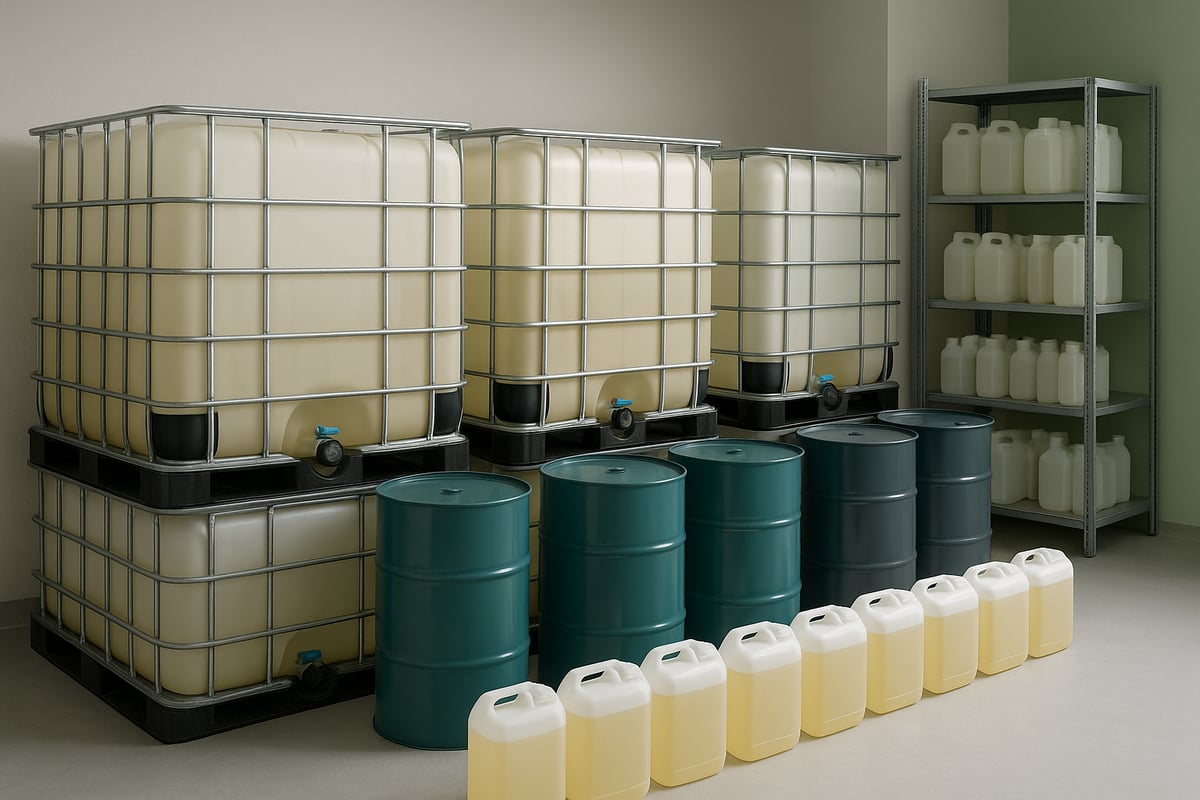
- Packaging: choose jerrycans, drums, or IBCs depending on volume and transport needs. Sustainable and recyclable materials are increasingly the standard.
- Temperature-controlled storage is essential for cold-pressed oils, as they are more sensitive to spoilage than refined variants.
- Transport: take into account European regulations, labeling, and any customs formalities when importing.
- Traceability: ensure full transparency in the supply chain so that every batch of bulk oils for cosmetics can be easily traced.
Today, 80% of cosmetic companies choose certified logistics partners, which not only ensures quality but also simplifies regulatory compliance.
Cost Control and Risk Management
Cost control is a decisive factor when working with bulk oils for cosmetics. Compare bulk purchasing with just-in-time delivery to determine what best fits your production process. Consider:
| Strategy | Benefit | Risk |
|---|---|---|
| Bulk purchasing | Lower price per liter | Risk of stock aging |
| Just-in-time | Fresh oil, less storage | Higher transport costs |
Optimize inventory management by closely monitoring shelf life and turnover rate. Invest in insurance for transport and storage to avoid high costs in case of damage or loss.
A proactive approach to costs and risks enables you to manage your bulk oils for cosmetics in a sustainable, profitable way.
Trends and Innovations in Bulk Oils for Cosmetics (2026)
The market for bulk oils for cosmetics is changing rapidly. Innovation and sustainability set the course for 2026. Producers and brands must respond to new technologies, changing legislation, and the growing demand from conscious consumers. Here you can read the key trends and developments.
Sustainability and Transparency
Sustainability and transparency are the backbone of bulk oils for cosmetics in 2026. Blockchain technology enables full traceability of oil origins. This allows brands to show their customers where and how the oil was produced. Certifications such as COSMOS and Ecocert are increasingly used as marketing tools. CO2-neutral production processes are gaining ground, reducing the ecological footprint. For more insight into relevant certifications and their impact on the cosmetics industry, read about sustainability certifications in cosmetics.
Consumers expect full transparency about ingredients, from source to final product. Transparency is no longer a trend but a must-have for brands that want to grow.
New Oil Extraction Methods
Technological advances are changing the way bulk oils for cosmetics are extracted. Supercritical CO2 extraction makes it possible to produce oils with unprecedented purity. This process uses no solvents, resulting in a cleaner final product. Cold pressing remains popular for its minimal processing and nutrient retention. Solvent extraction is used less due to environmental concerns and stricter regulations.
| Method | Advantages | Disadvantages |
|---|---|---|
| Cold-pressed | High in nutrients, pure | Lower yield |
| CO2 extraction | Very pure, no solvent | More expensive, more complex |
| Solvent | High yield | Risk of residues |
Want to learn more about the difference between these methods? Read the article about the difference between cold-pressed and refined oil.
Personalization and Niche Markets
The demand for unique and personalized bulk oils for cosmetics is growing rapidly. Customers want products that meet their specific needs and preferences. Small batches and custom blends are popular with niche brands. This trend is reinforced by data: the market for personalized cosmetics grows by 15% annually.
Cosmetic companies are investing in flexible production to quickly respond to this demand. Creating unique oil blends is becoming a distinguishing factor for innovative brands.
Technological Innovations in Packaging and Preservation
Packaging technology plays an increasingly important role in bulk oils for cosmetics. Smart packaging, equipped with freshness sensors, helps monitor quality during transport and storage. Biobased and compostable packaging significantly reduce environmental impact.
Brands are increasingly choosing renewable plastics and circular packaging concepts. These innovations not only contribute to sustainability but also strengthen brand positioning toward conscious consumers.
Legislation and Market Developments
Legislation has a direct impact on the development of bulk oils for cosmetics. New EU rules regarding microplastics and natural ingredients force producers to innovate. Brexit has led to additional import and export formalities, making transparency and compliance even more important.
According to recent statistics, 65% of cosmetic companies adjust their products based on changing legislation. This highlights the importance of a flexible supply chain and up-to-date knowledge of regulations.
Consumer Trends and Marketing
Consumers are becoming increasingly critical of the ingredients in bulk oils for cosmetics. Clean beauty and transparent ingredient lists are key factors in purchasing decisions. Social media plays a major role in popularizing new oils and blends.
Marula oil, in particular, has sparked a real hype thanks to platforms like TikTok and Instagram. Brands that quickly respond to these trends know how to increase their reach and customer loyalty.
After reading this guide, you will know exactly what to look for when choosing high-quality bulk oils for your cosmetic line: from certification and sustainability to functional properties and logistics. Are you ready to take the next step and benefit from reliable sourcing, fast delivery, and the expertise of a specialized partner? You deserve access to pure, certified oils that strengthen your brand. Discover the range now and easily order your bulk oils online with fast delivery across Europe. Order now fast delivery within 1 5 days