

Sustainability and health are more important than ever in 2026. More and more people are looking for natural products that contribute to a better world.
In this guide, you will learn everything about organic oil. You’ll find out what makes organic oil unique, how it is produced, and why it is a conscious choice.
We provide insight into sustainable alternatives, benefits for people and the environment, practical uses, and the latest trends. You’ll get tips for purchasing, using in cosmetics and food, and what to watch for to make a truly sustainable choice.
What is Organic Oil?
The demand for organic oil is growing rapidly, especially due to awareness around health and sustainability. But what truly makes an oil organic, and how does it differ from conventional varieties? In this section, you will discover the essence of organic oil, from its unique features to the sustainable production process.
Definition and Characteristics of Organic Oil
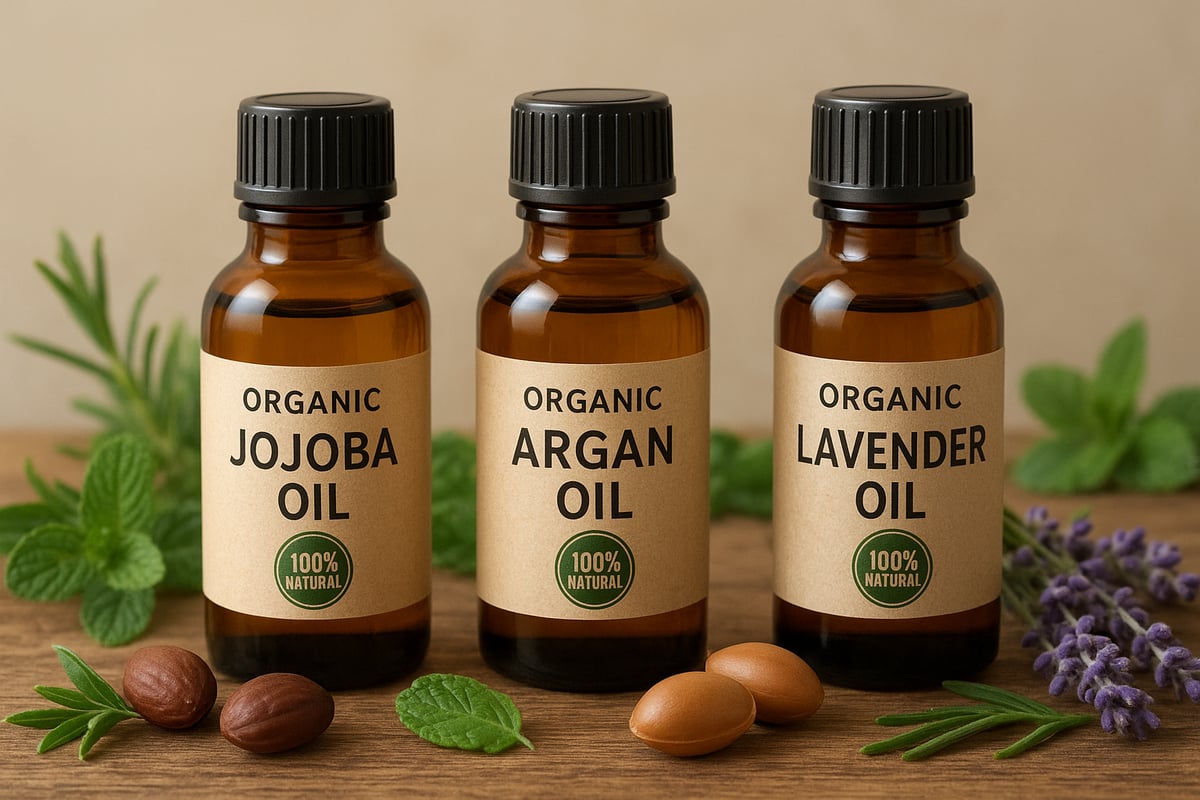
Organic oil is a vegetable oil produced entirely without synthetic pesticides, chemical fertilizers, or genetically modified organisms. The production process focuses on pure, natural ingredients without artificial additives. This distinguishes organic oil from conventional oils, which may contain pesticide or solvent residues.
Key certifications for organic oil include the EU organic label, Ecocert, and USDA Organic. These certificates guarantee that the oil is produced according to strict ecological standards. Traceability plays a central role: consumers want to know exactly where and how their oil is made.
The origin of organic oil varies. Many oils come from seeds, nuts, fruits, or herbs. Popular examples include organic jojoba oil, argan oil, olive oil, and various essential oils. The market for organic oil is steadily growing. In Europe, organic farming increased by 3.6% in 2023 (European organic farming grows by 3.6% in 2023), highlighting the rising demand for sustainable products.
Consumer trends show a growing demand for clean label products and transparent supply chains. Traceability and purity are central when choosing organic oil, with an increasing preference for products without unnecessary additives.
Comparison table: Organic vs. Conventional Oil
| Feature | Organic Oil | Conventional Oil |
|---|---|---|
| Cultivation method | Without pesticides | With pesticides |
| Certification | EU, Ecocert, USDA | Often none |
| Origin control | Fully traceable | Limited traceability |
| Ingredients | 100% pure, natural | Possible additives |
Production Process of Organic Oil
The production process of organic oil starts with cultivation. Farmers choose environmentally friendly agriculture that protects biodiversity and keeps the soil healthy. During harvest, only ripe and healthy raw materials are selected, which benefits the quality of organic oil.
Cold pressing is usually chosen for extracting the oil. This method preserves nutrients and active compounds, whereas solvent extraction can lead to quality loss. Organic oil is always tested for purity, ensuring consumers receive a clean product.
A well-known example is organic lavender oil, extracted from certified lavender fields. By working in small batches and using traditional processes, the quality of organic oil remains high. GMO raw materials are excluded from the organic production process, contributing to the purity and safety of the final product.
Producers and cooperatives play a major role in sustainability and transparency. They often collaborate with local farmers, promoting fair trade and environmentally friendly production. This approach gives organic oil a clear origin and a positive impact on people and nature.
Sustainability: Environmental Impact and Fair Trade
Sustainability is central when choosing organic oil. The focus is not only on environmental effects but also on fair trade and social impact. In this section, you will discover how organic oil contributes to a healthier planet and fair opportunities for farmers worldwide.

Environmentally Friendly Production and Packaging
The production of organic oil is characterized by minimal use of pesticides and synthetic fertilizers. This not only protects the soil but also local insects and plants, contributing to biodiversity. Farmers focus on crop rotation and natural pest control, keeping the ecosystem balanced.
An important advantage of organic oil is the lower water and energy consumption during cultivation. According to recent industry data, organic farming saves an average of 20% water compared to conventional methods. This makes organic oil a more sustainable alternative, especially in areas where water scarcity is an issue.
Moreover, the production of organic oil, such as in olive cultivation, results in a measurable CO2 reduction. By avoiding synthetic agents, the soil remains healthier and more carbon is sequestered. Many producers also choose biodegradable or recyclable packaging, such as glass bottles or compostable caps.
The oil industry increasingly works with circular economy initiatives. Here, production residues are reused, for example as animal feed or biogas. Consumers are more frequently seeing clean label and pure ingredients on packaging, which promotes transparency. If you want to explore the complete range of organic oils and their sustainable packaging, check out the overview of all organic and natural oils.
This focus on sustainability ensures that organic oil is not only good for the skin or nutrition but also for the world we live in.
Fair Trade and Social Impact
Besides environmental aspects, fair trade plays a major role in organic oil. Many producers are fairtrade-certified, meaning farmers receive a fair price for their harvest. This not only promotes income security but also encourages investments in local communities.
Working conditions are highly valued in organic oil production. Small-scale growers, for example in Morocco for argan oil, often work together in cooperatives. This strengthens farmers' bargaining power and ensures better social services, such as education and healthcare.
Transparency in the supply chain is essential. Consumers can often trace exactly where and by whom the organic oil product was made. Origin labeling and QR codes provide insight into the journey from farmer to bottle.
Gender equality is another important focus. In many cooperatives, women play a central role, making them more economically independent. This contributes to empowerment and sustainable development at the local level.
Finally, clear consumer information is crucial. By sharing stories and certifications, buyers know exactly what they are bringing into their homes. Organic oil thus represents a conscious choice, focusing on both people and the environment.
Health and Safety: Benefits of Organic Oil
Organic oil is rapidly gaining popularity among consumers who prioritize health and safety. The demand for pure, natural products is growing, partly because people are more conscious about what they apply to their skin daily and what they consume in their diet.
Health Benefits and Applications
Organic oil contains a rich mix of unsaturated fatty acids, antioxidants, and essential vitamins such as E, A, and K. Due to the absence of synthetic substances and pesticides, it is safer for the body. This makes organic oil especially suitable for people with sensitive skin or allergies.
A good example is organic lavender oil, known for its calming effect on skin irritations. More and more consumers use organic oil in their daily skincare routine, nutrition, and aromatherapy. A recent survey shows that 85% of users choose organic oil for health reasons.
The benefits at a glance:
- No residues of pesticides or heavy metals
- Rich in antioxidants and vitamins
- Suitable for vegans and people with allergies
- Lower risk of hormone-disrupting substances
In the cosmetics industry, organic oil is also an important ingredient in serums, creams, and hair products. Those who want to learn more about applications in skincare and the importance of pure ingredients can read further in The Importance of Skinimalism and Organic Essential Oils.
Safe Use and Allergies
Although organic oil is generally considered safe, it is important to stay alert for possible allergic reactions. Always perform a patch test with a new oil, especially on sensitive skin. Never use essential oils undiluted on the skin; always dilute them with a carrier oil.
Be extra cautious with children, pregnant women, and people with known allergies. Always choose 100% pure organic oil without synthetic additives. Check the label carefully and store the oil in a cool, dark place to prevent oxidation and quality loss.
Helpful tips for the safe use of organic oil:
- Use sparingly and gradually increase usage
- Mix with other oils for a personalized care product
- Use a well-sealed glass container
- Pay attention to the expiration date and changes in scent
By taking these precautions, you can fully enjoy the benefits of organic oil without compromising safety or quality.
Organic Oil in Cosmetics and Nutrition
Organic oil plays an increasingly important role in both cosmetics and nutrition. The demand for pure, sustainable ingredients is growing. More and more consumers consciously choose products with organic oil because of its pure composition and positive impact on health and the environment. In the cosmetics industry and kitchen, organic oil offers versatile uses, innovative trends, and clear benefits.
Applications in Cosmetics
Organic oil forms the basis of many skincare products. Think of serums, facial oils, creams, and balms. Due to its natural composition, organic oil is suitable for every skin type, even sensitive or mature skin. Consumers especially appreciate its moisturizing and nourishing properties.
Popular oils such as argan, jojoba, almond, and avocado are used for eczema, acne, and skin aging. For hair care, organic oil is effective for dry or damaged hair. Skin and hair benefit from the high concentration of vitamins and antioxidants.
A simple DIY recipe for an organic facial oil:
- 20 ml of organic jojoba oil
- 5 ml of organic argan oil
- 3 drops of organic lavender oil
Mix the oils in a clean, dark bottle and apply daily to cleansed skin. This way, you harness the power of organic oil in its pure form.
The organic cosmetics sector grows by 10 percent annually. More and more brands focus on transparency, sustainable packaging, and clear labels. Organic oil remains indispensable due to its versatility and purity.
Applications in Nutrition
Organic oil is also gaining popularity in the kitchen. Cold-pressed oils such as sunflower, olive, and flaxseed oil are a healthy addition to salads and warm dishes. Organic oil contains valuable omega 3-6-9 fatty acids, polyphenols, and antioxidants, contributing to a balanced diet.
For vegans and people with allergies, organic oil is often a safe choice. When purchasing, look for certifications like “extra virgin” or “raw” for maximum nutritional value. Did you know that 60 percent of consumers consciously choose organic origin for edible oils?
The production process affects quality. Want to learn more about the difference between cold-pressed and refined oils, and why organic oil often performs better nutritionally? Then read Difference between cold-pressed vs refined oil for an in-depth explanation.
Use organic oil in dressings, smoothies, or as a finishing touch on warm dishes. This way, you benefit daily from the advantages of pure nature.
Trends and Innovations in Product Development
The market for organic oil continues to innovate. Multifunctional blends, suitable for both cosmetic and culinary use, are on the rise. Innovations such as CO2 extraction, fermentation, and nano-emulsions ensure higher purity and longer shelf life of organic oil.
A striking example is organic hemp oil. This oil is used both as a superfood and in skincare because of its high content of essential fatty acids. Clean beauty and transparency are leading trends in the industry.
Consumers are increasingly asking for local, traceable oils. Manufacturers respond by collaborating with regional growers and including origin information on the label. Organic oil fits seamlessly into this trend due to its focus on sustainability and purity.
In the coming years, innovative products and new applications of organic oil will further enrich the market. Stay informed about the latest developments for a conscious choice.
Tips for Choosing and Buying Sustainable Organic Oil
Choosing the right organic oil requires attention to quality, sustainability, and transparency. With a growing range and stricter requirements in 2026, it is important to select critically. Below you will find practical tips for purchase, optimal use, and where to find reliable partners for your organic oil.
What to Look for When Buying?
When buying organic oil, recognizing reliable certifications is essential. Look for labels such as EU organic, Ecocert, or USDA Organic to be sure the oil actually meets the standards for organic oil. Always check the ingredient list: choose a 100% pure product without fillers or synthetic additives.
Transparency about origin is important. Ask where the organic oil comes from and how it was produced. Reliable producers provide insight into the supply chain and often work with local farmers or cooperatives. Reviews from other users offer extra assurance about quality and effectiveness.
Price is a consideration: genuine organic oil is often more expensive due to stricter controls and sustainable production. Cheaper alternatives sometimes contain less pure oil or synthetic substances. Also pay attention to the packaging: glass, recyclable plastic, or refill options are more sustainable. In this jojoba oil market update trends 2024 you can read more about recent developments and what to watch for when choosing a popular organic oil.
| Feature | Organic Oil | Non-organic Oil |
|---|---|---|
| Certification | Yes (EU, Ecocert, USDA) | Often not |
| Ingredients | 100% pure | Possible additives |
| Origin | Transparent, traceable | Unknown |
| Price | Higher, fair trade | Lower |
Storage and Use for Optimal Quality
To preserve the quality of organic oil, it is important to store the oil in a dark, cool place and keep it well sealed. This prevents oxidation and spoilage. Always check the expiration date and watch for changes in smell or color, which may indicate the oil is aging.
Use dropper bottles or dosing pumps for precise dosing. Preferably mix organic oil with other oils or ingredients just before use. Create your own blends for skin or hair to be sure of what is in your product. Reuse empty glass bottles or choose refill options to reduce waste.
For optimal results, choose an oil that suits your skin type or application. Always test new products on a small patch of skin first to avoid allergic reactions. Use sparingly, especially with essential oil variants of organic oil, and dilute if necessary with a carrier oil like jojoba or almond. This way, you can safely enjoy the benefits of organic oil.
Oliemeesters: Your Partner in Organic Oil
Are you looking for a reliable supplier of organic oil? Oliemeesters specializes in 100% organic vegetable and essential oils, with a wide range for both cosmetics and food. Here you will find only certified, cold-pressed oils, produced transparently and without animal testing.
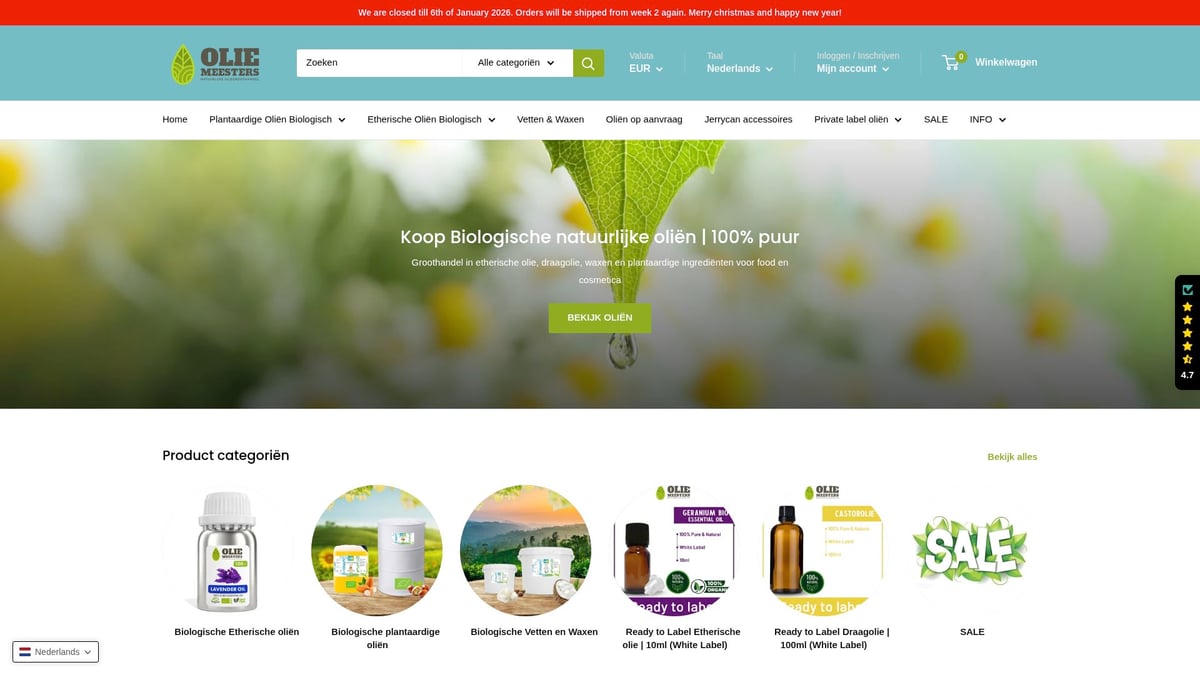
For businesses, Oliemeesters offers private label and white label solutions, including international delivery and fast service. With every order, you receive clear documentation and quality guarantees. This ensures you get organic oil that meets the highest standards in sustainability, purity, and traceability.
Choosing Oliemeesters means choosing partnership, expertise, and reliable quality. Whether you are an independent producer or want to start a brand, with organic oil from Oliemeesters you make conscious, sustainable choices for the future.
The Future of Organic Oil: Innovation and Consumer Trends
The future of organic oil is marked by rapid innovation and changing consumer demands. Producers invest in sustainable techniques and transparent supply chains. At the same time, the market grows through conscious consumer choices, influenced by trends like clean beauty and local production.
Sustainable Innovations in the Oil Industry
Sustainable innovations are central to the production of organic oil. New extraction methods such as CO2 extraction, ultrasonic techniques, and cold pressing ensure higher yields and better quality. These processes preserve nutrients and reduce the use of chemicals.
Blockchain and digitalization make the supply chain more transparent. This allows consumers to precisely track where their organic oil comes from. Collaboration between farmers, cooperatives, and producers encourages knowledge sharing and sustainable growth. Projects focused on biodiversity and soil restoration contribute to a healthier environment and future-proof agriculture.
A good example of innovation is the research into co-extraction of olive oil with olive leaves, herbs, and spices. Such techniques increase antioxidants in organic oil and offer new applications for both food and cosmetics.
The market is growing rapidly. According to industry forecasts, the global market for organic oil is expected to rise to a record high of billions of euros in 2026. This offers opportunities for farmers, producers, and consumers striving for quality and sustainability.
Consumer Behavior and Awareness
Consumer behavior is changing rapidly under the influence of new trends. More and more people consciously choose organic oil for health, environmental, and ethical reasons. Clean beauty, transparency, and storytelling have become important purchase motives. Consumers want to know who the producer is and how the product is made.
Social media, blogs, and influencers play a major role in the popularity of organic oil. They share experiences, tips, and new applications, spreading knowledge faster. Local and seasonal oils are gaining ground, as well as products catering to new markets such as vegan, halal, and allergen-free options.
The growing demand is also evident from recent market analyses. Read more about the European organic market 2025: recovery, growth, and opportunities for in-depth insight into developments within the sector. These trends drive innovation and motivate producers to invest in sustainable, fair, and transparent products.
The future of organic oil is promising. Through continuous innovation and the power of conscious consumers, healthy, environmentally friendly oils are becoming increasingly accessible to everyone.
Practical Guide: Step-by-Step Plan for Sustainable Oil Choices in 2026
Choosing the right organic oil requires careful consideration. With this practical step-by-step plan, you can easily make sustainable choices in 2026, tailored to your needs and values. Discover how to select, store, and use the most suitable organic oil step by step.
Step 1: Define the Purpose of Use
Start by determining the intended use of the organic oil. Do you want an oil for skincare, nutrition, aromatherapy, or a multifunctional product? Carrier oils, such as jojoba or almond, provide a gentle base for cosmetic use. Essential oils, like lavender, are concentrated and suitable for aromatherapy or specific applications. If you plan to use the oil for cooking, pay attention to the nutritional value, as with olive oil. Want to learn more about the health benefits of olive oil? Read on for scientifically supported insights.
Step 2: Research the Origin and Certification
Always check the origin and certification of organic oil. Reliable labels, such as EU Organic, Ecocert, or USDA Organic, guarantee strictly controlled production. Use QR codes or special apps to ensure transparency. This way, you can be sure your organic oil comes from sustainable sources and is traceable back to the producer.
Step 3: Compare Price and Quality
Critically assess the price-quality ratio of organic oil. Genuine organic oil is often more expensive due to strict cultivation, certification, and labor-intensive production. Watch for offers, bulk packaging, or refill services for a more economical choice. Compare different brands and package sizes to make an informed decision.
Step 4: Check Ingredients and Packaging
Read the ingredient list carefully. Choose organic oil that is 100% pure, without synthetic additives or fillers. Check if the packaging is made of glass or recyclable material. Environmentally friendly packaging contributes to a lower ecological footprint and keeps the oil fresher longer.
Step 5: Read Reviews and Experiences
Let yourself be guided by the experiences of other users of organic oil. Look for independent reviews and laboratory analyses. This provides insight into the actual quality and possible effects. Independent test results and consumer experiences increase your confidence in the product.
Step 6: Store and Use the Oil Correctly
Ensure optimal shelf life of your organic oil by storing it in a dark, cool place and keeping it well sealed. Use dropper bottles for precise dosing and to prevent oxidation. Pay attention to the expiration date and avoid exposure to light and air to maintain quality.
Step 7: Stay Informed About Trends and Innovations
Follow the latest developments around organic oil through blogs, news, and producers. Experiment with new blends or applications, such as multifunctional oils for both skin and nutrition. By staying up-to-date, you benefit from innovative products and sustainable trends.
Now that you know everything about the benefits, uses, and future of organic oils, you understand how important it is to make conscious choices for yourself and the environment. Are you ready to integrate sustainable, 100% pure oils into your routine, whether you are a professional or a private individual? At Oliemeesters, you will find a carefully selected range of certified carrier oils, produced with respect for people and nature. This ensures quality, transparency, and fast delivery. Discover the selection yourself and make a conscious choice today: Order now fast delivery within 1 5 days