

Essential oil is more popular than ever in 2026. More and more consumers and professionals are discovering the power of natural extracts for wellness and care. But where do you start when looking for reliable information?
This guide offers a complete and up-to-date overview. You will learn what essential oils are, how they work, which types are most used, and how to apply them safely. We also discuss the latest trends, innovations, and practical buying tips.
The market is growing fast, and interest in natural care is increasing. Many people wonder what really works and what to look for in quality. Essential oils can make a valuable contribution to relaxation, health, and a conscious lifestyle.
Want to know how to use essential oil safely and effectively? Read on for an in-depth, practical guide, fully tailored to 2026.
What Are Essential Oils?
Essential oil is in the spotlight in 2026. Yet, it is not clear to everyone exactly what this oil is or how it is made. In this section, we take you step by step into the world of essential oil. We cover the definition, production, types, safety, and purity, so you can make an informed choice.
Definition and Origin
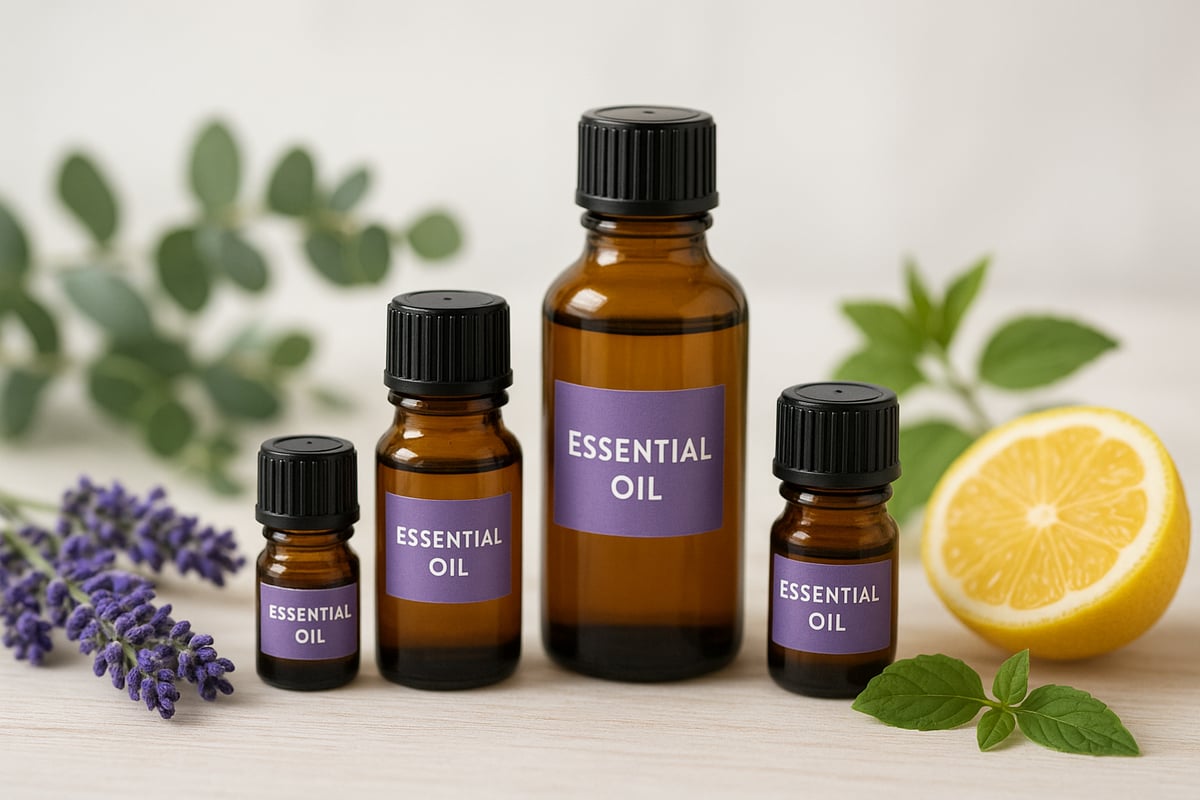
Essential oils are concentrated, aromatic extracts from plants. They are obtained from flowers, leaves, bark, or roots. For thousands of years, cultures worldwide have used these oils for rituals, medicine, and care. Lavender oil, for example, is considered one of the oldest known essential oils and was already used by the Romans.
The difference with carrier oils is significant. Essential oil evaporates quickly, has a strong scent, and contains no fats. Purity is essential: only pure oil contains the active substances as intended by nature.
Want to dive deeper into the basics, properties, and uses of essential oil? Then read the article What is essential oil? for a comprehensive explanation.
The global market for essential oil grows by 8% annually. This shows that more and more people value natural care.
Production Processes and Quality
The quality of essential oil is closely linked to the production process. The most commonly used methods are steam distillation, cold pressing, and CO2 extraction. In steam distillation, steam is passed through plant material, releasing the oil. Cold pressing is mainly used for citrus fruits and produces a fresh, pure oil. CO2 extraction is gaining popularity due to its pure results and minimal residues.
Organic cultivation is on the rise. This method uses no synthetic pesticides, resulting in a cleaner oil. Certifications like BIO and Ecocert guarantee this quality. Transparency about origin and production methods is decisive for many consumers. Organic lavender from Bulgaria is often cited as an example due to its purity and fragrance.
Recent research shows that 60% of users consciously choose certified organic essential oil. This underscores the importance of quality and reliability.
Different Types of Essential Oils
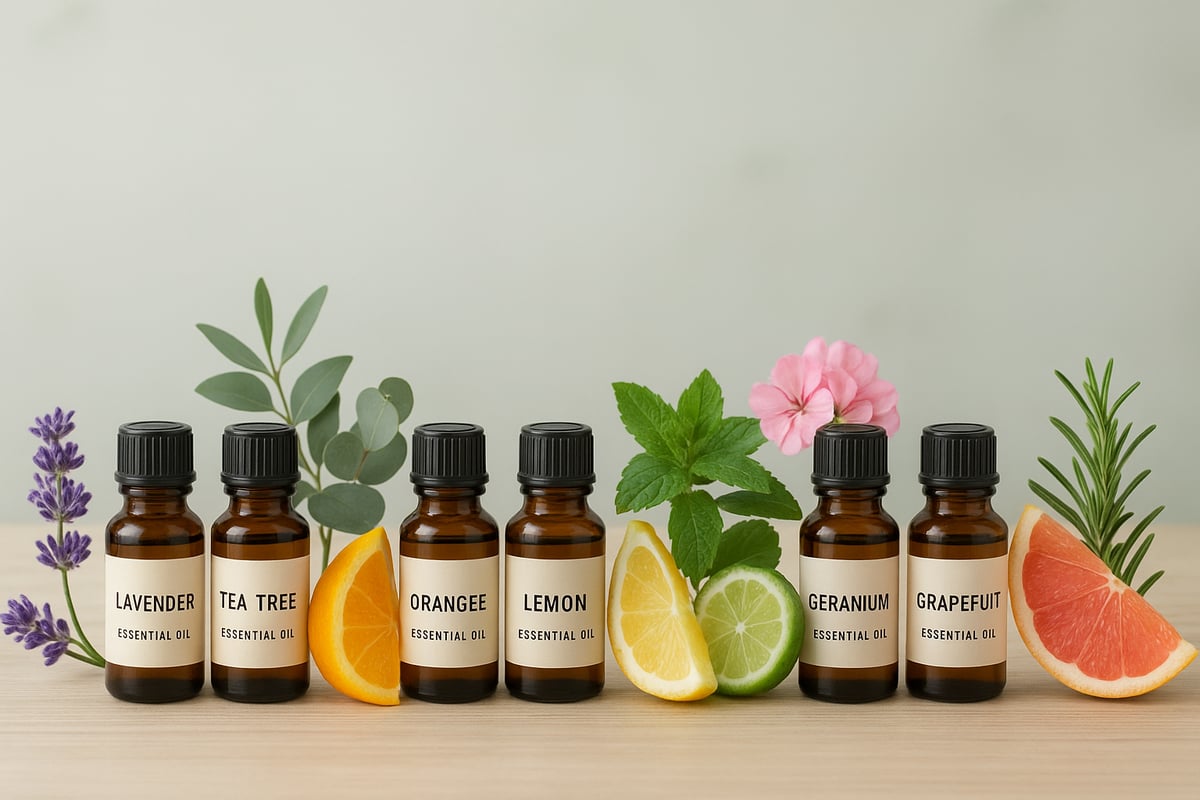
There are hundreds of types of essential oils, each with its own scent and effect. Popular oils include lavender (calming), tea tree (antibacterial), eucalyptus (refreshing), orange (uplifting), lemon (cleansing), peppermint (cooling), and geranium (balancing).
An important distinction is between single oils and blends. Single oils contain only one plant species, while blends combine different oils for a specific effect, such as relaxation or focus.
Applications vary per oil. Tea tree is known as a 'first aid' oil for skin problems, while lavender is often used for stress or sleep issues. In the Netherlands and Belgium, lavender, tea tree, and orange are the best-selling varieties. The rise of CO2 extracts and organic options enriches the selection.
Safety and Purity
Essential oil is very potent and should always be diluted before use on the skin. Undiluted use can cause irritation. Synthetic additives increase the risk of allergies and reduce the oil’s effectiveness.
Always pay attention to proper storage: cool, dark, and well sealed. Not all essential oils are suitable for children or pregnant women. Some oils are too strong or contain substances that are not safe for these groups.
A practical example: peppermint oil is not recommended for young children due to the strength of its scent. About 15% of users experience side effects from improper use of essential oil. This highlights the importance of safe and responsible use.
How Do Essential Oils Work?
Essential oil is known for its powerful effects on body and mind, but how exactly does this oil work? In this section, you will discover how essential oil has a physiological effect, how to apply it in daily life, what science says, and what risks and contraindications exist.
Physiological Effects
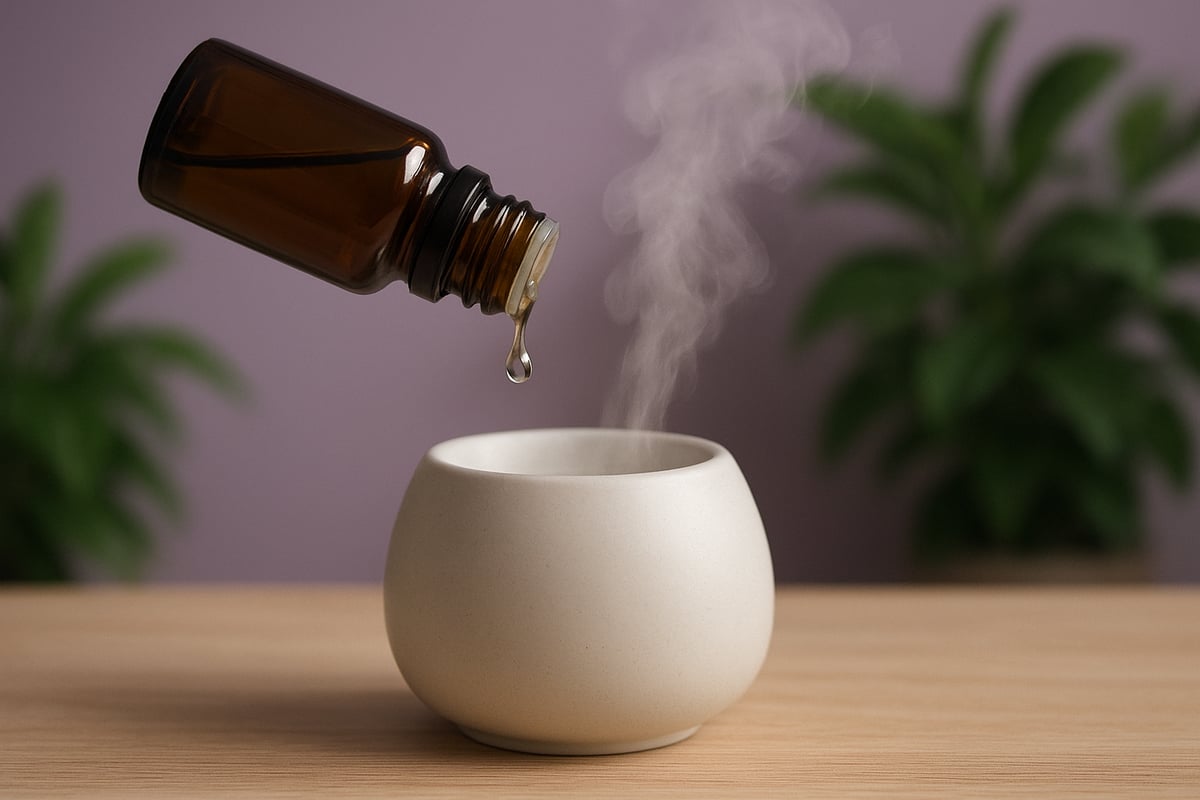
Essential oil is absorbed by the body through various routes, such as the skin, breathing, and sense of smell. When you inhale the oil, the fragrance compounds quickly reach the limbic system in the brain. Here, they directly influence emotions, stress levels, and even hormone balance.
On the skin, essential oils can have an effect due to absorption through the capillaries. This explains why massage with essential oils is deeply relaxing. Eucalyptus oil, for example, is widely used for colds because it opens the airways and loosens mucus. Lavender oil is known for its calming effect on stress and insomnia.
Scientific research shows that 70% of users experience immediate improvement in well-being after using essential oils (source: customer reviews Chi). The unique aroma of each oil causes a specific reaction, making aromatherapy widely applicable.
Applications in Daily Life
Essential oils are versatile in daily life. Inhalation via a diffuser or steam bath is a popular method. This quickly spreads the scent in the room and supports relaxation or focus. For skin application, essential oils are often mixed with a carrier oil for massages, baths, or skin care.
Essential oils are also valuable in the household. Many people use them for air purification, natural cleaning products, and making their own personal care products. For example, orange oil is often used as a natural air purifier.
An overview of popular applications:
| Application | Method | Example oil |
|---|---|---|
| Inhalation | Diffuser, steam bath | Eucalyptus, lavender |
| Skin | Massage, bath, care | Tea tree, geranium |
| Household | Air purification, cleaning | Orange, lemon |
According to a recent survey, 50% of people use essential oils to promote relaxation and calm (source: Chi).
Scientific Insights and Discussion
The effects of essential oils are the subject of much scientific research. There is evidence for stress reduction, antibacterial and antiviral effects, especially with oils like tea tree and lavender. However, not all claims are fully proven; sometimes a placebo effect occurs, where the ritual and scent experience contribute to the result.
Lavender oil, for example, is often studied in relation to sleep problems, with positive results in multiple studies. The number of scientific publications on essential oils has increased by 30% since 2020 (source: PubMed).
Those who want to delve deeper into current research and practical applications can find extensive information in the article Essential Oils: Scientific Research and Applications. Various studies and practical examples are discussed here.
Risks and Contraindications
Essential oils are very potent and require responsible use. Overdosing can lead to skin irritation or allergic reactions, especially when used undiluted. Not all oils are suitable for pregnant women, babies, or people with certain health conditions.
Some oils can interact with medications. Taking essential oils internally is strongly discouraged without expert advice. For example, peppermint oil is not suitable for young children because it can cause breathing problems.
According to the Dutch toxicology center, 10% of reports concern incidents with essential oils (source: NVIC). This underscores the importance of good information, correct dosage, and caution when using them.
Popular Essential Oils in 2026: Top 10 & Their Uses
The demand for essential oils continues to grow in 2026. Consumers are increasingly looking for natural ways to support their well-being. Below you will find the top 10 most popular essential oils at the moment, including their unique properties, uses, and concrete examples from practice.
1. Lavender Oil
Lavender oil is known for its relaxing and skin-healing effects. This essential oil is valued worldwide for promoting a good night's sleep and relieving stress. Lavender oil is also a classic for wound care.
- Properties: calming, soothing, antibacterial
- Uses: sleep, stress, skin care
- Example: Organic lavender from Bulgaria is regarded as the gold standard
Want to learn more about the origin and use of this oil? Then read the detailed article on Essential Lavender Oil Information.
2. Tea Tree Oil
Tea tree oil is loved for its powerful antibacterial and antifungal properties. This essential oil is considered an indispensable 'first aid' oil in many households.
- Properties: cleansing, anti-inflammatory
- Uses: skin problems, air purification, oral care
- Example: Organic certified tea tree oil for pure application
Tea tree is often used for pimples, fungal infections, and purifying the air through a diffuser.
3. Eucalyptus Oil
Eucalyptus oil is a refreshing essential oil, especially valued during the winter months. It supports the respiratory system and helps with colds.
- Properties: mucolytic, antiviral
- Use: cold relief, sauna, inhalation
- Example: Eucalyptus globulus is stronger, while radiata is gentler for children
Many people use eucalyptus oil in steam baths or saunas for a freer breathing sensation.
4. Orange Oil
Orange oil is an uplifting essential oil with a warm, sweet scent. It instantly creates a positive atmosphere at home and is often used for air purification.
- Properties: uplifting, relaxing, air purifying
- Use: aroma diffuser, kitchen, skincare
- Example: Organic orange oil from Chi is popular in aromatherapy
This essential oil is also used in homemade cleaning products and bath items.
5. Lemon Oil
Lemon oil is a fresh and antibacterial essential oil. It is widely used for cleaning surfaces and freshening spaces.
- Properties: refreshing, purifying
- Use: cleaning, skin, kitchen
- Example: Lemon oil as a natural alternative to lemon zest in recipes
This essential oil also supports concentration during study or work.
6. Peppermint Oil
Peppermint oil is a cooling essential oil often used for headaches and digestive issues. The fresh scent is clarifying.
- Properties: cooling, stimulating
- Use: headache, digestion, air freshener
- Example: Organic peppermint oil for aromatherapy or massage
Note: this essential oil is potent and should always be used diluted.
7. Geranium Oil
Geranium oil is a balancing essential oil especially valued in skincare and emotional support. The floral scent promotes harmony.
- Properties: balancing, calming
- Use: skin, emotions, women's health
- Example: Geranium as a skin oil for a radiant complexion
This essential oil is often added to massage oils or bath products.
8. Bergamot Oil
Bergamot oil is known for its positive and refreshing effects. The scent is recognizable from Earl Grey tea and improves mood.
- Properties: uplifting, refreshing
- Use: mood, perfume, tea
- Example: Natural bergamot oil in perfumes and aromatherapy
Note: bergamot oil can be photosensitive; avoid sunlight after applying to the skin.
9. Grapefruit Oil
Grapefruit oil is a detoxifying and uplifting essential oil. It supports the lymphatic system and promotes a fresh atmosphere at home.
- Properties: detoxifying, uplifting
- Use: massage, skin, diffuser
- Example: Organic grapefruit oil for an energetic start to the day
This essential oil is also used in slimming massages.
10. Rosemary Oil
Rosemary oil is a stimulating essential oil that promotes concentration and focus. It is often used in hair care and for muscle pain.
- Properties: stimulating, concentration-enhancing
- Applications: hair care, studying, muscle pain
- Example: Rosemary oil for studying or during sports
This essential oil is popular among students and athletes because of its stimulating character.
Using Essential Oils Safely: A Practical Guide
Safe use of essential oils requires knowledge and care. Essential oils are powerful, concentrated, and meant for responsible use. In this practical guide, we discuss the main rules, methods, target groups, common mistakes, and provide an example of a reliable supplier.
Basic Rules for Use
Essential oils must always be diluted before applying to the skin. Pure essential oils can cause skin irritation or allergic reactions. Always perform a patch test on a small skin area to check for sensitivity.
Pay attention to the correct dosage: usually, a 1-2% dilution is sufficient for skin application. Consider age, health, and any allergies. Never use essential oils directly on children, pregnant women, or people with sensitive skin.
Important: store essential oils in a cool, dark place to preserve quality. This keeps their effectiveness optimal and prevents contamination or oxidation.
Application Methods Step-by-Step
There are several safe ways to use essential oils in daily life. A diffuser is popular: fill it with water and add a few drops of essential oil. Always ensure good ventilation in the room.
For a relaxing bath, first mix essential oil with an emulsifier such as milk or a neutral bath oil. Add the mixture to the bathwater, never pure oil. For massage, blend essential oil with a carrier oil, like almond oil, in the correct ratio.
Making your own personal care products? Always use essential oils according to reliable recipes and pay attention to the recommended dosages. This way, you can safely enjoy the benefits of essential oils.
Safety for Special Groups
Extra precautions apply to pregnant women, babies, children, and the elderly when using essential oils. Not all oils are suitable for these groups. For babies and young children, choose only mild oils like lavender or chamomile and use a lower dosage.
Pregnant women should only use a few essential oils, always after consulting an expert. Elderly people and those with chronic conditions are more sensitive and need to be extra careful with essential oils.
When in doubt: always consult an aromatherapist or doctor. Safety comes first, especially for vulnerable groups.
Common Mistakes & Solutions
A common mistake is applying essential oil undiluted to the skin, which can cause burns or severe irritation. Also, ingesting essential oil without expert advice is risky and can lead to health problems.
Beware of interactions with medications: some essential oils can affect the effectiveness of drugs. Improper storage, such as in direct sunlight or heat, reduces the quality of essential oil.
Solution: always dilute, seek expert advice, and store essential oil properly. When in doubt, consult a professional.
Oliemeesters: Organic Essential Oils & Private Label Solutions
Oliemeesters offers a wide range of high-quality organic essential oils, suitable for both cosmetic and food use. You will find, among others, lavender, tea tree, orange, and eucalyptus, directly from the producer.
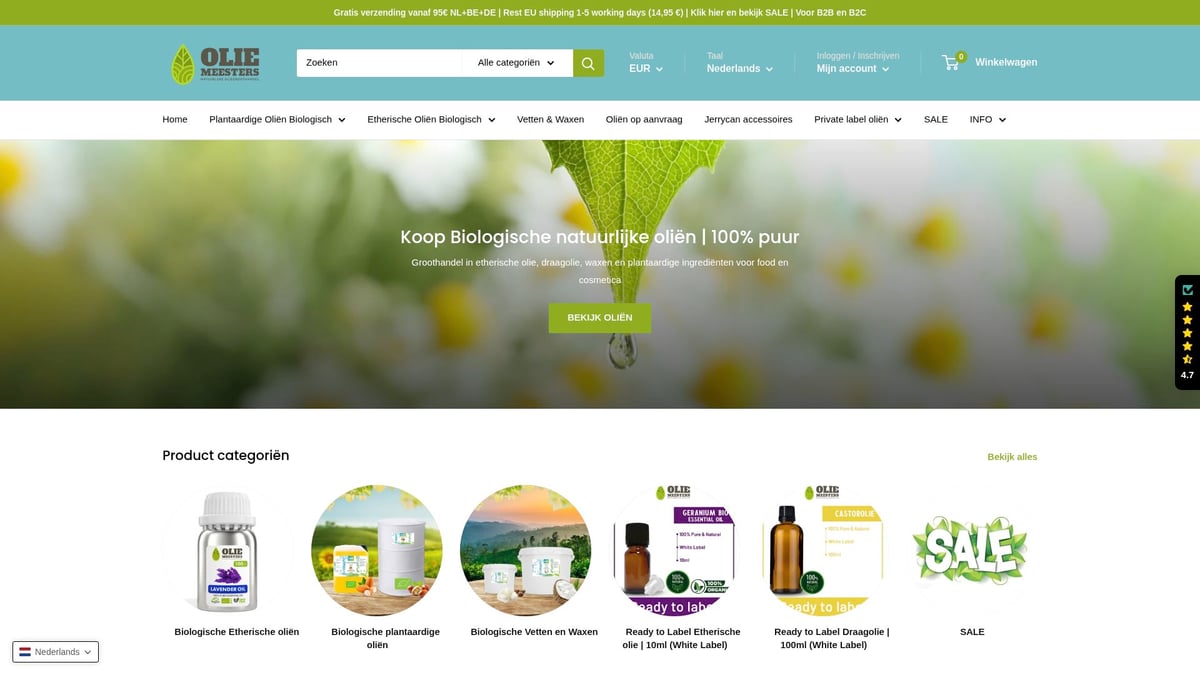
For companies, there are private label and white label options to launch their own essential oil brand. Oliemeesters guarantees transparent documentation and fast shipping within the Netherlands, Belgium, Germany, and the EU.
Whether you are a wellness professional, retailer, or consumer, at Oliemeesters you can count on 100% pure essential oil and reliable service.
Trends, Innovations & Sustainability in Essential Oils (2026)
The world of essential oil underwent a true transformation in 2026. Innovations in production, sustainability, and digitalization set the tone for consumers and professionals. Those who want to stay ahead will discover the most important developments and trends here.
New Developments in Production and Extraction
The production of essential oil has been significantly renewed in recent years. One of the most notable techniques is CO2 extraction. This method produces pure oils without residues, preserving scent and effectiveness optimally. Biotechnology also makes it possible to produce plant components more sustainably, with less environmental impact.
Origin transparency is becoming increasingly important. Thanks to blockchain technology, producers can now precisely demonstrate where and how an essential oil was extracted. This increases consumer trust and supports fair trade.
A good example: CO2 extracts are rapidly gaining ground, partly because they yield higher output and a purer final product. According to the latest figures, the market share of CO2 extracts grows by 25 percent annually. Innovation remains the driving force behind quality and sustainability in the essential oil industry.
Sustainability and Ethical Choices
Sustainability is an essential factor in choosing essential oil in 2026. Organic cultivation is becoming more popular because it uses fewer pesticides and improves soil quality. Fairtrade and direct purchasing from farmers are also growing, ensuring fair prices and more transparency.
Many producers opt for cruelty-free processes and focus on packaging made from recycled materials. Glass bottles are increasingly used, reducing plastic waste streams. A good example is organic orange oil from Spain, where full traceability and environmentally conscious production are central.
If you want to learn more about the benefits of organic essential oil, also read Benefits of Organic Essential Oil. Recent reviews show that 60 percent of consumers cite sustainability as a decisive factor when purchasing essential oil.
Market Trends & Consumer Preferences
The essential oil market continues to grow and change rapidly. More and more consumers choose blends tailored to specific goals such as sleep, focus, or energy. The selection varies throughout the year, for example fresh citrus oils in summer and warming wood types in winter.
In addition, making your own personal care products is on the rise. DIY trends drive demand for pure ingredients and smaller packaging. Niche oils like yuzu and cedarwood are also gaining popularity, partly thanks to social media.
Blends for air purification have become especially popular since the pandemic. According to current data, 40 percent of consumers mainly use essential oil to purify the air at home. For in-depth market insights through 2035, you can refer to the report Market Trends and Forecasts for Essential Oils 2025–2035.
Digitalization & Accessibility
Digitalization makes essential oil more accessible than ever. Online stores offer a wide range, extensive customer reviews, and transparent information about origin and ingredients. This helps consumers make informed choices.
Digital certification and quality guarantees have become standard. Suppliers now easily show proof of organic or fair trade certificates on their websites. Thanks to this development, consumers feel more confident about the quality of their essential oil.
Today, 80 percent of purchases take place online. The combination of transparency, ease of use, and fast delivery makes it possible for everyone to easily choose the right essential oil.
Buying Essential Oils: What Should You Look For?
Whether you are a beginner or a professional, buying essential oil requires attention to quality, safety, and reliability. With the growing selection in 2026, it’s important to know what to look for when making your purchase. Below you’ll find a practical guide with concrete tips.
Recognizing Quality: Tips & Tricks
Recognizing the right quality essential oil starts with the label. Pay attention to the botanical name, origin, and batch number. Always choose oils with organic or sustainable certifications. Pure essential oil contains no synthetic fragrances or fillers.
A transparent supplier provides clear information about the origin. Genuine lavender oil smells natural, not sharp or chemical. A difference in scent often indicates a synthetic product. Check if laboratory analyses or certificates are available.
Below is an overview of key points:
| Feature | Why It Matters | What to Look For |
|---|---|---|
| Botanical name | Specific Plant Species | Lavandula angustifolia |
| Origin | Quality & Sustainability | Country, Region, Farmer |
| Certificate | Organic, Ecocert, Vegan | Official Label |
| Batch Number | Traceability & Freshness | Clear on the Label |
Scientific insights are becoming increasingly important. Recent research into the chemical composition of essential oils shows that quality can vary greatly between producers. Transparency and analysis are therefore essential when choosing your oil.
Reliable Stores & Webshops
You buy essential oil most safely from recognized natural product stores or specialized webshops. Physical stores often offer personal advice, while online shops have a wider range and detailed product information.
When shopping online, pay attention to customer reviews, quality marks, and a clear return policy. Well-known providers like Chi, Oliemeesters, and Holland & Barrett are known for their transparency and service. Always check that your essential oil comes from a reliable source.
Price Differences Explained
The price of essential oil varies greatly. Organic production is more expensive than conventional because the process is more labor-intensive and imposes stricter cultivation requirements. Rare oils, such as rose or sandalwood, are pricier due to scarcity and the amount of plants needed for one bottle.
The amount per bottle also plays a role. Bulk packaging is often more cost-effective per milliliter than small bottles. For example:
| Oil | Average price (10ml) | Organic difference |
|---|---|---|
| Lavender | €7 | +30% |
| Rose | €50 | +30% |
| Lemon | €6 | +30% |
Always pay attention to what you get for the price, and compare labels and certificates.
Reading Labels & Certifications
The label is the key to assessing essential oil. Look for BIO, Ecocert, vegan, and cruelty-free labels. A batch number and expiration date guarantee freshness. The ingredient list should only contain Latin plant names.
Pay attention to the difference between Lavandula angustifolia (true lavender) and Lavandula hybrida (hybrid variant). A clear label prevents misunderstandings about origin and composition. The Safety Report on Exposure to Essential Oils shows that unclear labels can lead to misuse and incidents.
Frequently Asked Questions When Buying
Many consumers have questions when buying essential oil. How long does essential oil stay good? Most oils, if stored cool and dark, are good for up to 3 years.
Is essential oil suitable for ingestion? Never ingest essential oil without expert advice. Not all oils are safe for children. When in doubt, choose mild oils like lavender or chamomile.
What should you do in case of an allergy? Always test a drop of diluted oil on the skin first. Is the oil suitable for food or cosmetics? Check the label to see if the oil is certified for that purpose. 40% of customer service questions are about safety and usage. Feel free to ask the supplier your question before you buy.
Now that you know exactly what to look for when choosing quality essential oils for 2026, you can confidently start using pure, organic products that suit your needs. Whether you are a professional or a consumer looking for carrier oil or base oil for your own blends, at Oliemeesters you will find a carefully curated selection that stands for transparency and quality. You benefit from expert advice, clear documentation, and fast delivery, so you can get started right away with your projects or daily care.